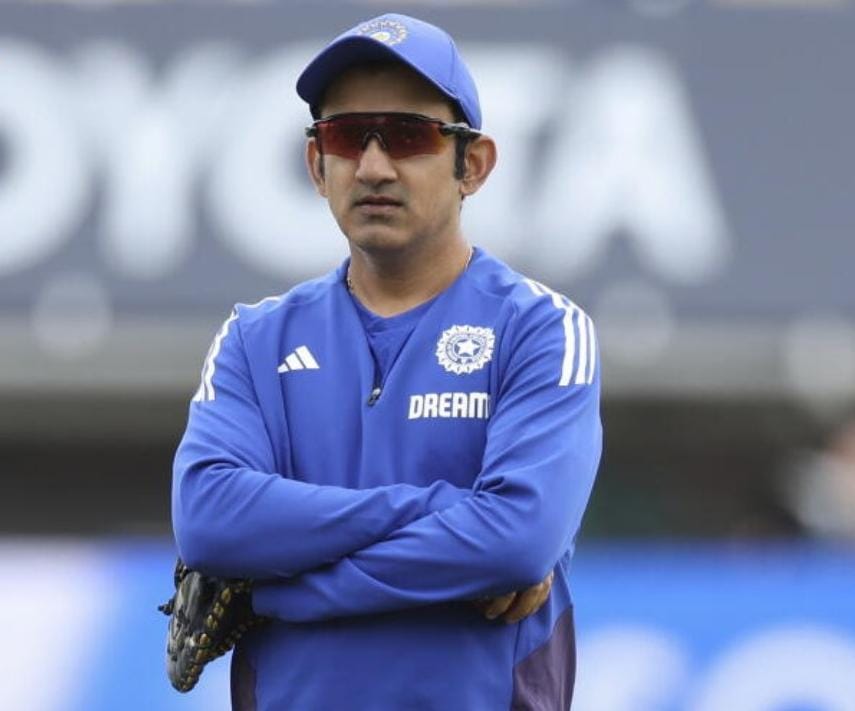
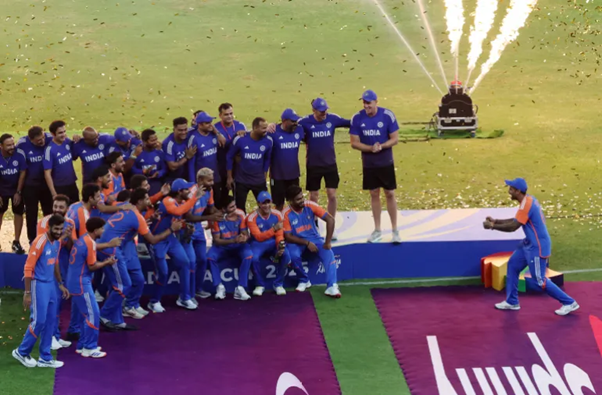
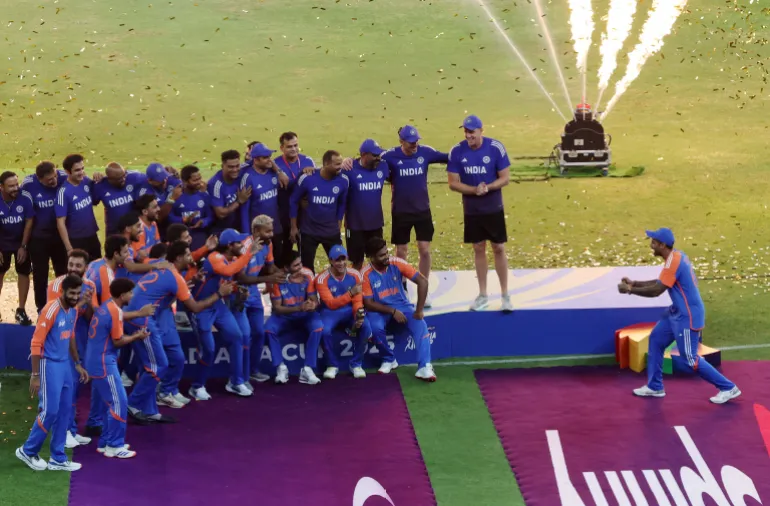
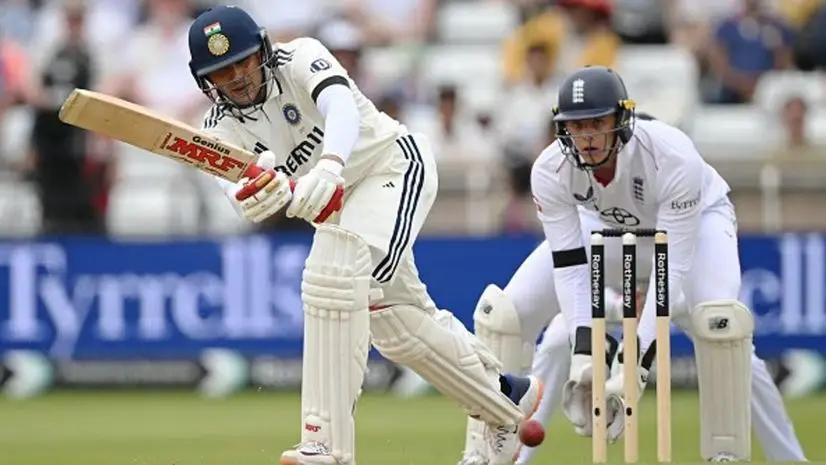
Under the guidance of coach Gautam Gambhir, the Indian cricket team has set a few new records. While the team has achieved notable success in the limited-overs formats, it has also suffered shocking defeats in Test cricket and even in the T20 format, where India has traditionally been considered one of the strongest teams. Alongside winning trophies such as the ICC Champions Trophy, the Asia Cup, and the ICC T20 World Cup, India has also produced some unexpected results. These include a 0–2 series defeat to Sri Lanka in 2024—the first such loss in 27 years. Then, just last month, came a humiliating 0–2 whitewash in the T20 series against Ireland. Following that, England thrashed the T20 world champs 4-0; thanks to the rain Gods the series result wasn’t 5-0!
Ever since Gautam Gambhir became India’s coach, he has attracted more attention than the team itself. There could be several reasons for this. Some cricket commentators and social media observers have claimed that his appointment owed more to political reasons than to cricketing credentials. The primary reason for such speculation is perhaps his recent political career. Gambhir’s coaching résumé before becoming India’s coach was virtually insignificant. He had never held the responsibility of coaching any team. His only experience was serving as a mentor for IPL teams for two years, and that too during his tenure as a BJP Member of Parliament from 2019 to 2024. Naturally, such an appointment raises questions, especially when success as a cricket coach is difficult to measure. Furthermore, Gambhir’s arrival coincided with the somewhat premature retirements of senior players such as Virat Kohli and Rohit Sharma. It is therefore understandable why some suspect that his appointment may have had motives beyond cricket. Cricket fans like you and me, who rarely have access to the truth about the inner workings of the Indian team, are often left relying on our sixth sense to separate fact from rumour.
Before Gambhir’s tenure began, India had never suffered a whitewash in a three-Test home series. New Zealand had never won a Test series in India. In fact, no visiting team had won a Test series in India since 2004. All these records were shattered when New Zealand won the 2024 series 3–0. As if that was only a warning of bigger shocks to come, South Africa defeated India 2–0 in a Test series in 2025, once again completing a whitewash. Another unwanted feather in coach Gambhir’s cap. Yes, there are two or three ICC trophies to provide some consolation, but the history of his coaching tenure appears more stained by these failures than decorated by success.
After the collapse in the Test series against South Africa, India went on to win the T20 World Cup. The joy of that triumph overshadowed the Test debacle. But India’s embarrassing T20 series defeat to Ireland has reopened those old wounds. The celebrations following the victory on 8 March 2026 did not last very long. Ireland had failed to progress beyond the first stage of the World Cup, managing only a single victory. Yet, just three months later, the very same team whitewashed the world champions. I agree that India did not send its strongest team to Ireland. Even so, India’s second or third-string side should have been capable of defeating an Irish team that could hardly be regarded as a major cricketing force—at least on paper. But the team’s supporters had absolutely no expectation of such a shocking performance. One question naturally comes to everyone’s mind: Is Mr. Gambhir very seriously preparing Indian cricket fans for even bigger shocks ahead? Results like these are enough to make even an atheist cricket fan start praying!
During Gambhir’s tenure, remarkable victories and shocking defeats have arrived with almost equal speed. Cricket lovers like you and me feel as though we are riding a roller coaster. Winning and losing are both integral parts of sport. But when a team’s form fluctuates so wildly and so quickly, like a yo-yo, it is only natural to feel dizzy. During the 1970s and 1980s, India was famous for its unexpectedly fighting performances. The only problem was that nobody could predict when the fighting Indian team would actually turn up—not even the team itself! Today, Pakistan wears that crown. Looking at India’s current roller-coaster performances, one cannot help but wonder whether Pakistan may soon lose that distinction! Let us hope that either Mr. Gambhir or the BCCI selectors wake up before long.
When Sourav Ganguly took over as captain of India, a noticeable transformation began in the attitude of Indian cricketers. Under Mahendra Singh Dhoni’s leadership, this change became even stronger, and under Virat Kohli’s captaincy, it reached its peak. The circumstances surrounding the end of Kohli’s captaincy remain an unsolved mystery. However, under Rohit Sharma’s leadership, India continued to play with the same fighting spirit and remained a team that was extremely difficult to beat. Yet within the corridors of the BCCI, there was a growing feeling that both Virat and Rohit were approaching the end of their careers. In particular, despite Kohli’s steadily declining Test performances, his stature in international cricket had become so great that removing him from the team appeared almost impossible—especially when the selectors did not receive strong backing from the gentle and accommodating coach Rahul Dravid. Therefore, once Dravid’s tenure ended, it appears that a plan was put into motion to appoint a comparatively inexperienced but firm-minded coach like Gambhir. This suggests that Gambhir’s selection may have been driven less by the long-term advancement of Indian cricket and more by the immediate objective of ushering Virat Kohli and Rohit Sharma towards retirement and rebuilding the Indian team. Whenever established players retire, every team goes through a period of disappointing results. It can certainly be said that, following the retirements of these two outstanding players and Ravichandran Ashwin, India has performed reasonably well overseas. What remains shocking, however, are the two crushing home Test series defeats.
Were these defeats simply the result of changes in personnel? In situations like this, it would be unfair to point to any single reason. However, an analysis of both the New Zealand and South Africa Test series reveals one clear pattern. India’s batsmen struggled badly against the opposition’s spin bowling. The team management requested heavily spinning pitches, but the decision ultimately backfired on their own team. On one hand, they underestimated the quality of the opposition’s spin bowlers. On the other, they overestimated the ability of their own batsmen to play spin. During both series, it became evident that India’s batsmen and bowlers are now more comfortable on faster pitches offering some bounce than on sharply turning surfaces. Over the past several decades, heavily spinning wickets have become increasingly rare in India’s domestic competitions. Most pitches now provide good pace and bounce for four or five days. This is precisely why India has produced a continuous stream of quality fast bowlers over the past two decades, whereas the supply of spin bowlers has not been as abundant as it traditionally used to be. So yes, the batsmen’s inability against spin was certainly one factor behind India’s collapse. But in my opinion, the greater cause was the strategy of preparing excessively spinning pitches. Such decisions lie more within the control of the team management than the players themselves. It seems to me that Gambhir’s inexperience as a coach, combined perhaps with his tendency to focus intensely on a particular idea, may have contributed significantly to this mistake.
Very few batsmen in world cricket—not just in India—have been as accomplished against spin bowling as Gautam Gambhir. Quite often, something that comes naturally to you as a player may not receive the same attention when you become a coach. Instead, your focus may shift elsewhere. Even after suffering a crushing home defeat against New Zealand, Gambhir was unable to alter his strategy against South Africa, resulting in another heavy defeat. This perhaps also points towards a certain degree of stubbornness. It is often the case that when a player becomes a coach, it takes time to develop the habit of seeing the bigger picture rather than viewing the game solely through his own perspective. Furthermore, if the individual is naturally stubborn, changing one’s approach can take even longer. As a coach, one must develop the ability to understand the strengths and limitations of every player in the team—a task at which even the greatest players can fail. I will cite just one example of a truly great player who could not become a successful coach: Greg Chappell. To some extent, the puzzle surrounding coach Gautam Gambhir appears equally perplexing.
For now, the ball is in the BCCI’s court. Only time will tell how long a rope is given to Mr. Gambhir.
એક મહિના પહેલાં વિશ્વ કપ ની શરૂઆત થઈ તે પહેલાં ભારતના બે પાડોશી દેશોને ફાલતુ બહાનાબાજી દ્વારા રાજનીતિ કરવાનો મોકો મળ્યો હતો. તેમને ખબર હતી કે પોતાની રમત દ્વારા તો લોકોને આકર્ષિત કરી શકે તેમ નથી. પોતાનું વજૂદ બતાવવાની આ એક કળા છે જેમાં પાકિસ્તાનને પી.એચ.ડી. હાસિલ છે. બાંગ્લાદેશ પાસે ક્રિકેટમાં દોરી લોટા સિવાય બીજું કશું નથી માટે કોઈના વાદે ચઢી જવા સિવાય તેમની પાસે બીજો કોઈ વિકલ્પ જ નથી. મનોરંજક મૂલ્ય શૂન્ય હોય તો કાંઇ વાંધો નહીં, ત્રાસવાદ દ્વારા પણ ધ્યાન દોરી શકાય! બાંગ્લાદેશી રાજકારણ પણ અજબ છે. પોતાના હાથે પોતાના પગ ઉપર હથોડો મારી તેની કળ પણ વળે તે પહેલાં તો ભારત અને બીસીસીઆઈ સાથે સમાધાન કરવાની તેમની તત્પરતા જોઈ કોઈને પણ થાય કે નાટક કર્યું જ શા માટે? તેમની દાદાગીરી ગાજરની પીપુડી સાબિત થઇ. વાગી ત્યાં સુધી વગાડી નહીં તો ખાઇ ગયા! માથે ચડવા ગયા પણ પહેલી જ તક મળે પગે પડ્યા! બાંગ્લાદેશ ની સરકાર દ્વારા વિશ્વકપના જીવંત પ્રસારણ ઉપર તેમના દેશમાં પ્રતિબંધ મૂકી પોતાની મહત્તાને સાબિત કરવાનો બાલિશ પ્રયાસ પણ બેકાર ગયો. આ વિશ્વકપમાં ઘણા નવા વિક્રમ સ્થપાયા જેમાં પ્રેક્ષકોની સંખ્યાનો નવો વિક્રમ પણ સમાવિષ્ટ છે. આખી સ્પર્ધા ખૂબ મનોરંજક રહી પણ તે બધામાં સૌથી યાદગાર વાત જોકે મારી દૃષ્ટિએ એ રહેશે કે બાંગ્લાદેશનો પોપટ થયો પાકિસ્તાનના કારણે! ભારત પાકિસ્તાનની મેચ પણ ‘કભી હાં કભી ના’ ના નાટકના કારણે ખૂબ ચર્ચામાં રહી. પણ રમતની ગુણવત્તા જે માત્ર હરીફાઈ દ્વારા જ મૂલવાય, તે કંઇક અંશે મારા માટે થોડી નિમ્ન સ્તરની રહી. મેં ભારત પાકિસ્તાનની ભૂતકાળની ઘણી મેચ જોઈ છે જ્યારે ભારત માટે જીતવું ખૂબ મુશ્કેલ અને લગભગ અશક્ય જ લાગતું. પણ છેલ્લા ઘણા સમયથી જીતનું પલડુ ભારત તરફી થઈ જતાં, હરીફાઈનું આકર્ષક મૂલ્ય ઘટી ગયું છે. જે બાકી બચ્યું છે તે બન્ને ચાહક વર્ગનું એક બીજા પ્રત્યે ઘૃણાસ્પદ, અપરિપક્વ અને અવિરત અપમાનજનક વર્તન! મજાકથી શરૂ થઇ ચાહકવર્ગ વચ્ચેની નોકઝોક ખૂબ ઝડપથી અપમાનજનક, ઝનૂની શાબ્દિક યુધ્ધમાં પરીણામે છે જે મારી દ્રષ્ટિએ રમત ની મૂળ ભાવનાની વિરુદ્ધમાં છે. સમજી શકાય તેવું છે કે બંને દેશના ચાહકો માટે આ વિજય ખૂબ અગત્યનો છે. પણ રમતની ગરિમા સાચવવી તે આપણા સહૂની સામુહિક જવાબદારી છે. અને એ શક્ય ના હોય તો સ્પર્ધામાં ઉતરવું મિથ્યા છે. ભારતની ફરી એક વખત સરળ જીત દ્વારા સાબિત થઇ ગયું કે હવે આ બે ટીમ વચ્ચે ગુણવત્તામાં આસમાન જમીનનો ફરક છે, અને પાકિસ્તાનને આ દૂરી પાર કરવામાં ઘણો સમય લાગશે. હવે મને આ રમતની સમીક્ષા કરવામાં નવું કશુંક મળવાની શક્યતાઓ નહીંવત્ લાગે છે. હું માનું છું કે ભારતની સ્પર્ધા હવે ઓસ્ટ્રેલિયા, દક્ષિણ આફ્રિકા, ઇંગ્લેન્ડ અને કંઈક અંશે ન્યુઝીલેન્ડ સમક્ષ ગણાય. ટી૨૦ જેવી ત્વરિત ગતિની રમતમાં જોકે કોઇ પણ ટીમ, પ્રતિસ્પર્ધીને સરળ માની લઇ શકે નહી. આ વાત, આ વિશ્વકપમાં ખૂબ સારી રીતે સાબિત થઇ. ઓસ્ટ્રેલિયા જેવી ચેંપિયન ટીમ પહેલા જ ચરણ બાદ સ્પર્ધાની બહાર થઇ ગઇ. ભારતની દક્ષિણ આફ્રિકા સામેની મોટી હારના કારણે સ્પર્ધામાં આગળ વધવાની શક્યતા સામે એક મોટો પ્રશ્ન ઉપસ્થિત થયો હતો. પણ ભારતની ટીમે ઝિમ્બાબ્વે સામે સારી રમતનું પ્રદર્શન કરી સુપર આઠમાં પ્રવેશ મેળવી લીધો. કદાચ એક તમાચો જે ગાલ પર ભારતની ટીમને જોઈતો હતો, તે દક્ષિણ આફ્રિકાએ માર્યો અને જાણે તેમની ઊંઘ ઉડાડી. ભારતની સુપર ૮ ની બન્ને રમતો રસાકસી વાળી રહી પણ ભારતની ટીમ તેમના પ્રતિસ્પર્ધી કરતાં સતત એક ડગલું આગળ રહી. ટૂર્નામેન્ટની શરૂઆતમાં એવું મનાતું હતું કે ભારતની ટીમ એકાદ વખત તો ૩૦૦ રનનો જુમલો ખડકી દેશે. પણ જેવી રીતે ભારતની બેટિંગની શરૂઆત હતી તે જોતાં એમ લાગ્યું કે ભારતમાં બેટધરો આત્મવિશ્વાસના અતિરેકથી પીડાઈ રહ્યા છે. અભિષેક શર્મા કે જેમના નામનો, ટુર્નામેંટ પહેલાં ડંકો વાગતો હતો, તેમણે મીંડાંઓની હેટ્રિક નોંધાવી. જ્યારે ચોથી રમતમાં ટૂર્નામેન્ટમાં તેમનું એક ચોગ્ગા સાથે ખાતું ખોલાયું ત્યારે મને ખાત્રી છે કે તેમને આ ચાર રનની લાગણી, આખી જિંદગી યાદ રહે તેવી લાગી હશે. પણ એક પચાસની ઇનિંગ બાદ ફરી બે રમતોમાં જ્યારે સસ્તામાં આઉટ થઈ ગયા ત્યારે તેમના ટીમમાં સ્થાન સામે ખૂબ ગંભીર સવાલો ઉઠાવવામાં આવ્યા. પણ ટીમના કોચ કોઈ જુદી માટીના બનેલા છે. પોતાની યુદ્ધનીતિ પ્રત્યે ગંભીર એટલા અફરછે કે તેઓ પોતાના સિવાય બીજા કોઈનો અભિપ્રાય ગંભીરતાથી લેતાં નથી. તેમની નિર્ણયશક્તિ તેમના નામને જરૂર સાર્થક કરે છે! અત્યાર સુધી, ખાસ કરીને ન્યુઝીલેન્ડ વિરુદ્ધ ભારતનો ટેસ્ટ શ્રેણીમાં કારમો પરાજય થયો ત્યાર બાદ, ગંભીરના માથે ખૂબ માછલાં ધોવાયા છે. પણ તેમની સહનશક્તિ અને પોતાના વિચારો અને યોજના પ્રત્યે જે દ્રઢતા છે તેવી ઘણા ઓછા કોચમાં મેં જોઈ છે. તેમના વિચારો, ખેલાડીઓનું ચયન અને રણનીતિ પ્રત્યે ભલે આપણે ઉદાસીન હોઈએ પણ તેમનો પોતાનો આત્મવિશ્વાસ અને કેટલીક બાબતોમાં દૂરંદેશી, દાદ માંગી લે તેવી છે. આમ તો જો જીતા વોહી સિકંદર એમ કહેવાય; પણ સતત નિષ્ફળ જતાં બે ખેલાડીઓ, અભિષેક શર્મા અને વરુણ ચક્રવાર્તિને, સોશિયલ મીડિયા અને ઘણા આદરણીય વિવેચકો તરફથી ધોધમાર વરસતા નકારાત્મક અભિપ્રાયો વિરુદ્ધ પણ સંરક્ષણ આપવું અને તેમની અંદર છુપાએલી શક્તિને સમય આવે બહાર લાવવામાં મદદ કરવી તે ક્યાં તો એક મહાન દૂરંદેશી કહેવાય અથવા સદનસીબ! જે હોય તે, આજે આખા દેશના તમામ ક્રિકેટચાહકો પાસે ગંભીરના નિર્ણયોને ગંભીરતાથી લેવા સિવાય અને તેમને વખાણવા સિવાય બીજો કોઈ વિકલ્પ રહ્યો નથી! મને આ વિશ્વકપ, ક્રિકેટના ઉતાર ચઢાવ સિવાય ગંભીરની અડગ નિર્ણયકશક્તિ માટે પણ યાદ રહેશે. ગંભીરની આવતી કાલની કારકિર્દી ભારતના ક્રિકેટમાં કેવો રંગ લાવશે તે તો સમયજ કહેશે. આ તેમની દૂરંદેશી હતીકે હઠાગ્રહ, તે પણ આવનારી કાલ જ કહેશે. પણ આજે તો તેમની નિર્ણયશક્તિ, આત્મવિશ્વાસ અને પોતાના ખેલાડીઓને વિકટ પરિસ્થિતિમાં પણ પ્રોત્સાહિત કરી રાખવાની તેમની વૃત્તિને દાદ તો દેવીજ પડશે. ગૌતમ ગંભીરની કામગીરીને બીજી રીતે પણ ચકાસી જોવી જરૂરી છે. તેમના ઘણા ઇન્ટરવ્યૂમાં તેમણે સ્પષ્ટ પણે કહ્યું છે કે તેઓ ટીમમાં દરેક ખેલાડીના યોગદાનને વ્યક્તિગત રીતે મૂલવવાને બદલે, તેના ટીમ પ્રત્યેના યોગદાનમાં શું ફાળો છે તેને, વધુ અગત્યનું ગણે છે. આ વલણે ખાસ કરીને ટી૨૦ રમતના પરિમાણ બદલી નાખ્યા છે. આ એક કારણ છે કે દરેક બેટધર દરેક બોલને બાઉન્ડરીની બહાર મોકલવાના પ્રયાસમાંજ રહે છે. છેલ્લા થોડા વખતથી મેં જોયું છે કે ભારતના શરૂઆતના બેટધારો બોલને હવામાં રમવાથી સહેજે અચકાતા નથી. ફાઇનલમાં ન્યુઝીલેન્ડ સામે ભારત તરફથી ૧૯ ચોગ્ગા અને ૧૮ છગ્ગા ફટકારવામાં આવ્યા! લગભગ એક છગ્ગો અને એક ચોગ્ગો, દરેક ઓવરમાં! ૧૦૮ રન છગ્ગાઓ દ્વારા અને ૭૬ રન ચોગ્ગાઓ દ્વારા. એટલેકે કુલ ૧૮૪ run બાઉન્ડ્રી દ્વારા! ભારતે ૨૪% શૂન્ય(ડોટ) બૉલ રમ્યા તેમ છતાં દરેક ઓવરમાં ૧૨ થી વધુ સરેરાશથી રન બનાવ્યા. અને જો શૂન્ય બોલ કાઢી લઈએ તો તેમની સરેરાશ દરેક ઓવરમાં ૧૫ રનથી પણ વધુ બની જાય છે. ટી૨૦ ના ફોરમેટમાં ઘણું કરીને પિચ બૅટિંગ માટે સરળ બનાવાય છે. માટે જેટલા વધુ રન બને તે પોતાના બોલરો માટે એક સુરક્ષા કવચ જેવુ કામ કરે છે. મારા હિસાબે, ભારતની ટીમની આ ટૂર્નામેન્ટની આખી યોજના આ વિચાર ઉપર આધારિત હતી. આ યોજનામાં અભિષેક શર્માનું યોગદાન ખાસ કરીને પાવર પ્લે ઓવેરોમાં ખૂબ અગત્યનું હતું. તેમની શરૂઆતની ઘોર નિષ્ફળતાએ ભલભલા કોચ અને કપ્તાનને વિચલિત કરી દીધા હોત. પણ ધીરજના ફળ મીઠા, તે વાતને સાર્થક કરતાં શર્માનું બેટ ફાઇનલમાં એવું બોલ્યું, કે જાણે દશેરાને દિવસે ઘોડું દોડ્યું! પ્રથમ ૭ ઓવરમાંજ ૯૮ રનનો જુમલો મૂકી ભારતની શરૂઆતની જોડીએ વિશ્વકપ ઉપર જાણે તેમનો હક બતાવી દીધો. ગૌતમ ગંભીરને બીજા એક ખેલાડીમાં વિશ્વાસ જાળવવા બદલ પણ અભિનંદન આપવા જરૂરી છે. ઘણા સમયથી સંજુ સેમસન ભારતની ટીમમાં અલપ ઝલપ દેખાવો કરતાં રહ્યા છે. પણ અત્યાર સુધી તેઓ અપેક્ષાથી નીચાજ જ ઉતર્યા હતા. ઘણા મોક મળ્યા છતાં બેટિંગની સાતત્યતા જોવા મળતી ન હતી. તેવામાં ઇશાન કિશનનું બેટ પણ બરાબર ચાલ્યું અને સંજુ માટે બેટિંગ ક્રમાંકમાં જગ્યા બનાવવી અઘરી થઈ ગઈ. અભિષેક શર્માની નાદુરસ્ત તબિયતના કારણેજ બીજી રમતમાં તેમને રમવાનો મોકો મળ્યો. જો કે પાકિસ્તાન સામેની કાંટાની મેચમાં અભિષેક ટીમમાં પરત થયા અને સંજુને ફરી બહાર બેસવાનો વારો આવ્યો. દક્ષિણ આફ્રિકા સામે સુપર ૮ ના ગ્રૂપમાં હાર બાદ, ભારત માટે એક મોટી પરીક્ષા હતી. હવે બાકી રહેલી બંને મેચ, ઝિમ્બાબ્વે અને વેસ્ટ ઈન્ડિઝ સામે, જીતવીજ પડે. અભિષેક શર્માના નબળા દેખાવના કારણે ભારતની ટીમે આખરે સંજુને ઓપનિંગ કરવાની જવાબદારી સોંપવી પડી. આ કદાચ પ્લાન બી હશે! પણ આ એક માસ્ટર સ્ટ્રોક સાબિત થયો. ઝિમ્બાબ્વે સામે સંજુએ માત્ર ૨૪ રન બનાવ્યા પણ ઝડપી ગતિથી રમીને ભારતના દાવનો પાયો નાખ્યો જેણે અભિષેકને તેમનું ફોર્મ કૈંક અંશે પરત મેળવવાની તક આપી. આ પછીની એક સુપર ૮ ની રમત અને સેમી ફાઇનલ તથા ફાઇનલ, આ ત્રણે મેચમાં સંજુએ ધુંઆધાર બલ્લેબાજી કરી ભારતની ઇનિંગનો ખુબજ મજબૂત પાયો નાખ્યો. જો સંજુ ધારતતો તેમની રમતને થોડી ધીમી પાડી, આ ત્રણે ત્રણ મેચમાં સેન્ચુરી ફટકારી શકત. ૯૭ નોટ આઉટ, અને સેમી ફાઇનલ અને ફાઇનલ બંનેમાં ૮૯ રન ની બે કમાલની ઇનિંગ રમ્યા. આ ત્રણે ઇનિંગ ગંભીરની મૂળભૂત યોજના જે વ્યક્તિગત ધ્યેય કરતાં ટીમમાં યોગદાનને મહત્વ આપવું તેનું ખૂબ સુંદર ઉદાહરણ છે. ભારતનો વિશ્વકપ વિજય ઘણા અંશે સંજુની આ ત્રણે ઇનિંગ ઉપર આધારિત કહેવાય. ટીમના દરેક સભ્યને ટીમના ધ્યેય પ્રત્યે કેન્દ્રિત રાખવાથી વધુ એક કોચનું બીજું શું કામ હોય? ગૌતમ ગંભીર જરૂર આ પરિક્ષામાંથી જળહળતી સફળતા સાથે પાસ થયા તેવું કહેવાય. જોક, ભારતની સફળતા માટે માત્ર બેટિંગને મહત્વ આપવું અયોગ્ય કહેવાય. ભારતના બોલરોએ જુદા જુદા સમયે, મહત્વ નું યોગદાન આપ્યું. પણ ભારતની આખી બોલિંગના ઉચ્ચાલનનું આધારબિંદુ જસપ્રિત બૂમરા રહ્યા. જ્યારે જ્યારે ભારતને જરૂર પડી ત્યારે ક્યાંતો વિકેટ ખેરવીને અથવા ખૂબ સટીક બોલિંગ દ્વારા રનની ગતિને રોકી પ્રતિસ્પર્ધી ઉપર એવો દબાવ બનાવી રાખ્યો કે જેના આવરણ હેઠળ બીજા બોલરો ટીમને વિજય તરફ ખેંચી ગયા. આ બોલર એક એવો કમાલનો, નાયબ હીરો છે, જેની કિમત ટીમ માટે આંકવી અશક્ય છે. એમ જ કહેવાય કે બૂમરા ભારતની ટીમને લગભગ ૫૦% શક્તિ અર્પે છે અને પ્રતિસ્પર્ધી માટે હમેશ લટકતી તલવાર બનીને રહે છે. જ્યાં સુધી તેમની એક પણ ઓવર બાકી હોય ત્યાં સુધી, પ્રતિસ્પરધીને બીજા બોલરો પાસેથી રન મેળવવા માટે જોખમ ઉઠાવવું જ પડે છે. ભારતનો આ વિશ્વકપના વિજયનો ઘણો યશ આ ખેલાડીને જાય છે. ફાઇનલમાં તેમને મેન ઓફ ધ મેચ નો ખિતાબ મળ્યો તે બિલકુલ યોગ્ય કહેવાય. ઘણાનો મત છે કે પ્લેયર ઓફ ધ સીરિઝ નો ખિતાબ પણ સંજુ સેમસન કરતાં બૂમરાને મળવો જોઈએ. જોકે, સંજુની છેલ્લી ત્રણે ઇનિંગે ભારતના વિજયનો પાયો નાખ્યો હતો. મારા હિસાબે તો આ બંને જણ સરખે સરખા આ ખિતાબને યોગ્ય છે. આ બધી સકારાત્મક વાતોમાં જો કોઈ અંશે નબળી કહેવાય તેવી કડી હોય તો તે હતી ભારતનું કેચિંગ. આખી ટુર્નામેંટ દરમ્યાન ૯ રમતોમાં ભારતે લગભગ ૧૫ કેચ છોડ્યા! કોઈ પણ સંજોગોમાં આ ઘણા કહેવાય અને કૈંક અંશે નવાઈ પમાડે તેવું પણ કહેવાય. કેટલાક મહત્વના સમયે ખૂબ અદભૂત કેચ પણ પકડાયા. ખાસ કરીને અક્ષર પટેલના બે કેચ સેમી ફાઇનલમાં ઇંગ્લૈંડ સામે અને ઇશાન કિશનના ત્રણ કેચ ફાઇનલમાં અદભૂત રહ્યા. ઉપરાંત હાર્દિક પંડયા, તિલક વર્મા અને જ્યારે જ્યારે મેદાનમાં ઉતાર્યા ત્યારે, રીન્કુ સિંઘની ગ્રાઉંડ ફિલ્ડિંગ કમાલની રહી. આખી શૃંખલા દરમ્યાન જો કોઈ એક વાત ઉડીને આંખે વળગે તેવી હોય, તો તે હતી ભારતીય ટીમની સંઘભાવના. કોઈ પણ ટીમ રમતમાં આ એક મુદ્દો સૌથી વધુ અગત્યનો હોય છે. દરેક રમતમાં જ્યારે જ્યારે જરૂર પડી ત્યારે કોઈને કોઈ ખેલાડીએ એવી રમત બતાવી કે તે ભારતના વિજય માટે અગત્યની બની ગઈ. તે હોય તિલક વર્માના વેસ્ટ ઈન્ડિઝ સામે ૨૭ રન કે જેમાં સંજુ સાથે અગત્ય ની ભાગીદારી બનાવી. તેવાજ અગત્યના તેમના ૨૫ રન, પાકિસ્તાન સામે ત્રીજા નંબરે, ખાસ કરીને જ્યારે અભિષેક પહેલીજ ઓવરમાં પવિલિયન ભેગા થઈ ગયા હતા. એવીજ રીતે શિવમ દુબેએ પણ નાની પણ ખૂબ અગત્યની ઇનિંગો રમી. આમ દરેક પ્રતિસ્પર્ધી ટીમ માટે, ભારતીય ટીમ વિકેટ ગુમાવે તો પણ આવી રહેલા બીજા બેટધારોનો હાઉ હરદમ રહ્યો. ભારતની બંદુકમાં ક્યારે પણ ગોળીઓની કમી વર્તાઇ નહીં. મારા માટે, ભારતના વિજયનું સૌથી મહત્વનું કારણ આ સંઘભાવના કહેવાય. તેના માટે ભારતની આખી ટીમ, જેમાં કોચ, સપોર્ટ સ્ટાફ, બેન્ચ પર રહેલા બીજા ખેલાડીઓ અને બીસીસીઆઈના ચયનકર્તા; સર્વે સરખા ભાગીદાર છે. દરેક ને અભિનંદન અને આભાર!
Translation:
India once again at the summit of the T20 World Cup!
A month ago, even before the World Cup had begun, two of India’s neighbouring countries found an opportunity to bring politics into cricket, through ridiculous posturing. They knew very well that they could not attract people through their cricketing prowess. This is an art of asserting one’s existence — and Pakistan has practically earned a PhD in it. Bangladesh, which has little to show in cricket beyond making a lot of noise for nothing, has hardly any option except to jump onto someone else’s bandwagon. If entertainment value is zero, no problem — attention can always be drawn by nuisance value! Bangladeshi politics too is quite peculiar. They shot themselves in the foot but even before the pain could subside, their eagerness to reconcile with India and the BCCI made one wonder — why stage the drama in the first place? Their show of bravado turned out to be much ado about nothing. They made all the noise they could — and then beat a hasty retreat. The Bangladeshi government’s childish attempt to prove its importance by banning live telecast of the World Cup in their country also proved futile. This World Cup witnessed many new records, including a record number of spectators. The entire tournament was highly entertaining, but for me, a memorable takeaway will remain how Bangladesh ended up making a spectacle of itself — largely because of Pakistan!
The India–Pakistan match too remained in the limelight because of all the “will they, won’t they” drama. However, the quality of cricket — which can only truly be judged through competition — felt somewhat underwhelming to me. I have watched many India–Pakistan matches in the past when an Indian victory seemed extremely difficult, almost impossible. But in recent times, with the balance of wins tilting decisively in India’s favour, the charm of the rivalry has diminished. What remains now is largely the hateful, immature and relentless mud-slinging between sections of fans on both sides. Banter that begins in jest quickly escalates into toxic, fanatical verbal warfare — something that, in my view, goes against the very spirit of sport.
It is understandable that this victory holds immense importance for fans in both countries. But preserving the dignity of the game is a collective responsibility. If that is not possible, then competing itself becomes meaningless. India’s yet another comfortable win proved that there is now a gulf in quality between the two teams — and it will take Pakistan considerable time to bridge that gap. Personally, I feel there is hardly anything new left for me to analyse in this rivalry.
In my opinion, India’s real competition now comes from Australia, South Africa, England, and to some extent New Zealand. Yet in a fast-paced format like T20, no team can afford to take any opponent lightly — something this World Cup demonstrated beautifully. A champion side like Australia crashed out after the very first stage. India’s heavy defeat against South Africa had raised serious doubts about their chances of progressing further. But the team bounced back strongly against Zimbabwe to secure entry into the Super Eight. Perhaps South Africa delivered the slap India needed — one that jolted them awake.
Both of India’s Super Eight matches were closely fought, but the team consistently stayed one step ahead of the opposition. At the start of the tournament, there was talk that India might even pile up a 300-run total at some point. However, the way India’s batting began in the tournament, it felt as though the batters were suffering from a dose of overconfidence. Abhishek Sharma — who was already #1 batter inT20 rankings, registered a hat-trick of ducks. When he finally opened his account with a boundary in his fourth match, I am sure those four runs must have felt unforgettable to him. But after one half-century, when he again got out cheaply in the next two matches, serious questions were raised about his place in the team.
Yet the team’s coach seems to be made of different clay. He is so fiercely committed to his strategy that he hardly takes anyone else’s opinion seriously. His decisiveness truly lives up to his name! (Gambhir in Sanskrit and many Indian languages means ‘serious’ ). Until now — especially after India’s humiliating Test series defeat against New Zealand — plenty of criticism had been heaped upon Gambhir. But the patience he has shown and his conviction in his ideas and plans, are qualities I have rarely seen in other coaches. We may disagree with his player selections and tactics, but his self-belief and long-term vision in certain matters deserve applause. Winning has a way of silencing all critics. But continuing to back two underperforming players — Abhishek Sharma and Varun Chakravarthy — in the face of relentless negativity from social media and respected commentators alike, and helping them unlock their hidden potential at the right time — can only be called great foresight… or sheer good fortune!
Whatever the case, today cricket fans across the country have little option but to applaud Gambhir’s decisions. For me, this World Cup will be remembered not just for the ups and downs of cricket, but also for Gambhir’s unwavering decisiveness. What impact his coaching career will leave on Indian cricket — only time will tell. And whether it was a vision or stubbornness — that too the future will decide. But for now, his decision-making, confidence, and his ability to keep players motivated even in adversity certainly deserve full credit.
Gambhir’s work also needs to be evaluated from another angle. In several interviews, he has clearly said that instead of judging players purely on individual performance, he values their contribution to the team’s cause more. This approach has, in many ways, changed the dimensions of T20 cricket. One reason why every batter now tries to send almost every ball beyond the boundary. In recent times, I have noticed that India’s opening batters show no hesitation in playing aerial shots.
In the final against New Zealand, India smashed 19 fours and 18 sixes! Almost one six and one four every over! 108 runs came through sixes and 76 through fours — a staggering 184 runs via boundaries. Despite playing 24% dot balls, India still scored at an average of over 12 runs per over. Remove the dot balls, and the scoring rate shoots past 15 per over. In T20, pitches are often made batting-friendly. The more runs you score, the stronger the safety net for your bowlers. In my view, India’s entire tournament strategy was built around this idea.
In this plan, Abhishek Sharma’s role — especially during the Powerplay overs — was extremely crucial. His early failures could have unsettled even the most seasoned captain or coach. But patience pays rich dividends — and Sharma’s bat finally broke free in the final and ran riot! By piling up 98 runs within the first seven overs, India’s opening pair virtually sealed the result of the finals!
Gambhir also deserves congratulations for maintaining faith in another player — Sanju Samson. For a long time, Samson had been making fleeting appearances in the Indian team without truly meeting expectations. Despite multiple opportunities, consistency with the bat remained elusive. Meanwhile, Ishan Kishan’s good form made it even harder for Samson to find a place in the batting order.
It was only due to Abhishek Sharma’s illness that Samson got a chance in the second match. Though Abhishek returned for the high-voltage clash against Pakistan, pushing Samson back to the bench. After the Super Eight loss to South Africa, India faced a do-or-die situation. The remaining matches against Zimbabwe and West Indies had to be won. With Abhishek struggling for form, India finally entrusted Samson with the responsibility of opening — perhaps a Plan B. But it turned out to be a masterstroke.
Against Zimbabwe, Samson scored just 24 runs but laid the foundation with aggressive intent, allowing Abhishek to regain some confidence. Thereafter — in a Super Eight match, the semi-final, and the final — Samson played three blazing innings that built rock-solid platforms for India. Had he wished, he could have slowed down and converted all three into centuries: 97 n.o. and two superb knocks of 89 in the semi-final and final. These innings beautifully illustrated Gambhir’s core philosophy — team contribution over personal milestones. India’s World Cup triumph rested significantly on these performances.
After all, what more can a coach do than keep every player aligned with the team’s objective? It would be fair to say Gambhir has passed this test with flying colours.
Of course, giving credit only to batting would be unfair. India’s bowlers too made crucial contributions at different stages. But the fulcrum of India’s bowling effort was Jasprit Bumrah. Whenever India needed a breakthrough — or control over the run flow — he delivered. By either picking wickets or bowling with surgical precision, he created pressure that allowed other bowlers to steer the team towards victory.
He is that rare, priceless jewel whose value to the team cannot truly be measured. One could say Bumrah alone contributes nearly 50% of India’s strength and remains a constant sword hanging over the opposition’s head. As long as he has even one over left, the opponent is forced to take risks against other bowlers. A significant share of India’s World Cup success belongs to him. His Player of the Match award in the final was absolutely deserved. Many believe he should also have been Player of the Series ahead of Sanju Samson. Though Samson’s last three innings laid the foundation for victory, in my view both were equally deserving. Perhapsa a shared award would have been suitable!
If there was one relatively weak link amid all the positives, it was India’s catching. Across nine matches, India dropped around 15 catches — quite a high number in any circumstances and somewhat surprising. Yet some stunning catches were also taken at crucial moments — particularly Axar Patel’s two in the semi-final against England and Ishan Kishan’s three in the final. Hardik Pandya, Tilak Varma, and whenever he was on the field, Rinku Singh too displayed exceptional ground fielding.
If there was one thing that truly stood out throughout the tournament, it was the teamwork of India. In any team sport, this is perhaps the most vital factor. Whenever the situation demanded, some player or the other rose to the occasion with a performance that proved decisive. Be it Tilak Varma’s 27 against West Indies in a key partnership with Samson, or his equally important 25 at No. 3 against Pakistan when Abhishek had returned to the pavilion in the very first over. Shivam Dube too played several small but vital innings.Thus, even when India lost wickets, the incoming batters always carried an aura of threat. India’s gun never seemed to run out of bullets. For me, this team spirit was the single biggest reason behind India’s triumph.
The entire unit — the coach, support staff, bench players, and the BCCI selectors — all share equal credit. Congratulations and heartfelt thanks to each one of them!
એશિયા કપની જીત સાથે ઉભો થયો પ્રશ્ન — શું રમતને રાજકારણથી ખરેખર દૂર રાખી શકાય?
તમારો પાડોશી છેલ્લા પંચોતેર વર્ષથી તમારા વિરુદ્ધ સતત યુદ્ધ ચલાવી રહ્યો છે — સૈન્યની કાર્યવાહી દ્વારા પણ અને આતંકવાદ દ્વારા પણ. તમે આ બધું સહન કર્યું, હંમેશા પ્રતિસાદ ફક્ત આક્રમણના જવાબમાંજ આપ્યો. પરંતુ હવે, જ્યારે તમારા નિર્દોષ નાગરિકો રજાઓ માણતા હોય અને તેમના પરિવારની સામે તેમની હત્યા થાય, ત્યારે તમારી સંસ્કૃતિએ શીખવેલી સહનશીલતા કાયરતામાં પરિણમે — જો યોગ્ય પ્રતિસાદ ન અપાય તો. આ હવે વિવાદ નહીં, યુદ્ધ છે.
બહિષ્કારની વાત સરળ છે પણ વાસ્તવિકતા? વારંવાર કહેવામાં આવે છે કે રમત અને રાજકારણને એકબીજાથી દૂર રાખવા જોઈએ. પણ આ સલાહ આપવી સહેલી છે, અનુસરવી કઠિન છે. જ્યારે તમારો દેશ પોતાના જ નાગરિકોના રક્તથી રંજાઈ રહ્યો હોય, ત્યારે મેદાનમાં દુશ્મન સાથે હાથ મિલાવવો વ્યર્થ લાગે છે. આવી સ્થિતિમાં રમત આપમેળે ગૌણ બની જાય છે. આપણે કહી શકીએ કે “દુશ્મન સામે ન રમવું” એ જ ઉકેલ. ન તમારી ટીમ મોકલવી, ન તેમની આવકારવી. દ્વિપક્ષીય મુકાબલામાં આ શક્ય છે, પણ બહુદેશીય સ્પર્ધાઓમાં મુશ્કેલ. સ્પર્ધામાં ભાગ ન લેવાથી તમે સ્પષ્ટ સંદેશો જરૂર આપો છો, પણ સાથે ખેલાડીઓને તેમની તકથી વંચિત પણ કરો છો. સ્પર્ધા નબળી પડી જાય છે અને રમતનો મૂળ હેતુ — સ્પર્ધા — અપૂરતો રહે છે.
આજની રમત માત્ર શોખ નથી; એ વૈશ્વિક ઉદ્યોગ છે. લાખો લોકોની આજિવિકા તેના પર આધારિત છે. અન્ય વ્યવસાયો કરતા ખેલાડીઓની કારકિર્દી ખૂબ ટૂંકી હોય છે; તેથી દરેક તક તેમના માટે નિર્ણાયક હોય છે. જ્યારે આપણે ખૂબ સરળતાથી બહિષ્કારની સલાહ આપી દઈએ છીએ, ત્યારે આ હકીકત ભૂલી જઈએ છીએ. ભારતને આવી સલાહ ભારતની બહારથી બીજા દેશોના ખેલાડીઓ અને વિવેચકો તરફથી પણ ખૂબ મળી; એવા દેશો કે જેમનો ઇતિહાસ કહે છે કે તેઓ રાજકારણને રમતથી દૂર રાખવામાં સદંતર નિષ્ફળ ગયા છે! ઇંગ્લૈંડ અને ઓસ્ટ્રેલિયા, બન્ને જ્યારે માફક આવે ત્યારે રાજકારણ કરે અને માફક આવે ત્યારે સલાહ આપે! આ તેમના માટે સ્વભાવગત વાત છે. આ બન્ને દેશોને આતંકવાદનો અનુભવ ભારતના પ્રમાણમાં ઘણો ઓછો છે. પોતાની ધરતી ઉપર યુદ્ધ થાય ત્યારે સાચો અનુભવ થાય. કહે છે ને કે જ્યાં સુધી પગ નીચે રેલો ના આવે ત્યાં સુધી સલાહ આપવી સરળ છે!
ભારત માટે તાજા સંજોગોમાં એક સહેલો જવાબ હતો — ભારતે એશિયા કપમાં ભાગ ન લેવો જોઈએ. ભારતમાં રાજકીય વિરોધીઓએ એ જ માગણી કરી, સોશિયલ મીડિયા પર અભિયાન ચલાવ્યાં, ટીવી તોડ્યાં. પરંતુ તેમણે પરિણામો વિચાર્યા? ભારત વિના આંતરરાષ્ટ્રીય ક્રિકેટ પરિષદ (ICC) નું ટૂર્નામેન્ટ ચલાવવું મુશ્કેલ બને, કારણ કે મોટાભાગના સ્પોન્સર ભારતીય બજાર પર આધારિત છે. ઇંગ્લેન્ડ અને ઑસ્ટ્રેલિયાના વિશ્લેષકો વારંવાર ભારતને “વિશ્વ ક્રિકેટનો મોટો ભાઈ” હોવાના અને તે પ્રમાણે તેમનો અભિગમ અપનાવવાની સલાહ આપતા રહેતા હોય છે. આ સંજોગોમાં ભારતની હાજરી અનિવાર્ય છે.
બીજી તરફ, પાકિસ્તાનને આથી લાભ માત્ર છે — તેની ક્રિકેટ વ્યવસ્થા ભારતીય દર્શકો અને સ્પોન્સરોના પૈસાથી ચાલે છે, ભલે તેનું રાજકીય તંત્ર આતંકવાદને ટેકો આપતું રહે. આ વિપરીત પરિસ્થિતિમાં ભારત અને BCCI માટે વિકલ્પો ખૂબ મર્યાદિત રહી જાય છે. છતાં ભારત સરકારે વિસ્તારપૂર્વક વિચાર કરીને ભારતની ટીમને એશિયા કપમાં ભાગ લેવાની મંજૂરી આપી.
પણ ખેલાડીઓ નું શું?
ખેલાડીઓ કરારબદ્ધ વ્યાવસાયિકો છે; પોતાના નિર્ણયથી મેચ ન રમવાનું પસંદ કરી શકતા નથી. તેથી તેમની લાગણીઓને વ્યક્ત કરવાની એક માત્ર રીત પ્રતીકાત્મક હતી — દુશ્મન સાથે હાથ ન મિલાવવો. આ હાવભાવ તેમની અંદરની વેદનાનું પ્રતિબિંબ હતું. સ્વાભાવિક છે કે કેટલાક લોકોએ તેને “અનૈતિક” અને “ખેલભાવના વિરુદ્ધ” ગણાવી દીધું. પરંતુ આ એ જ લોકો છે, જે પોતાના હિતમાં રાજકારણને રમતમાં ઘૂસાડી દેતા બિલકુલ અચકાતા નથી, અને તક મળે ત્યારે ઉપદેશ આપવાનું પણ ચુકતા નથી કે “રમતને રાજકારણથી દૂર રાખો.”
પુરસ્કાર વિતરણ દરમિયાન પાકિસ્તાનના આંતરિક મંત્રી અને એશિયન ક્રિકેટ કાઉન્સિલ (ACC) ના પ્રમુખ મોહસિન નકવી ભારતના વાંધા છતાં પોતે ટ્રોફી આપવા તત્પર રહ્યા. તેટલુજ નહીં, પણ જો ભારતીય ટીમ તેમની ઈચ્છા વિરુદ્ધ જાય તો તેમને ટ્રોફી અને પદક આપવાની ધરાર ના કહી ટ્રોફી લઈ પોતાની હોટેલ ચાલ્યા ગયા! જાણે ટ્રોફી તેમના બાપની જાગીર હોય! મેં આવી બાલિશ વર્તણુંક અત્યાર સુધી કોઈ પણ પ્રશાસક તરફથી જોઈ નથી. તે ભલે નાનામાં નાની સ્પર્ધા હોય કે આંતરરાષ્ટ્રીય સ્તર ની. એક સાચા પ્રશાસક માટે ખેલનો આત્મા સર્વોચ્ચ હોવો જોઈએ — પોતાનો અહંકાર નહીં. વિજેતાઓને તેમના પદક અને તેમનું સન્માન મળે તે વાત વધુ અગત્યની છે, કોણ ટ્રોફી આપે તે નહીં. નકવી ઈચ્છતા તો વિવાદ ટાળી શકતા, પણ તેમણે રાજકીય નાટકને પસંદ કર્યું. પરિણામે, રમતની પ્રતિષ્ઠાને નુકસાન થયું. અને આ વિવાદ માટે માત્ર ભારતને દોષ દેનારા, દેશની બહાર કે દેશની અંદર; ક્યાં તો પોતાની આંખે પાટા બાંધી ચાલનારા છે કયા તો નકરા દંભી!
આ તમામ નાટક છતાં ભારતે એશિયા કપમાં નવમી વાર વિજય મેળવ્યો. ટ્રોફી વ્યક્તિગત રીતે ન મળવી તે એટલું નુકસાન નથી, જેટલું ACC અને તેના પ્રમુખના વર્તનથી રમતની ગરિમાને પહોંચ્યું છે. ભારતે કંઈ ગુમાવ્યું નથી — પરંતુ રમતને ઘણું ગુમાવવું પડ્યું છે.
આગળ શું?
આ પ્રસંગ કદાચ એશિયન ચેમ્પિયનશિપ માટે એક ટર્નિંગ પોઇન્ટ સાબિત થશે. મારુ માનવું છે કે આ સ્પર્ધા હવે મૃતપ્રાય થાય અથવા થોડા દશકો પૂરતી સ્તગીત થાય. ACC પણ વિલંબિત પરિસ્થિતિમાં રહેશે. પાકિસ્તાનમાં પણ હવે એવી માંગ ઉઠશે કે તેઓ ભારત સામે ન રમે. વારંવાર હારની પીડા એક કારણ જરૂર હશે, પણ ભારતના કડક વલણના કારણે તથા બળતામાં ઘી હોમવા જેવી મોહસિન નકવીની બાલિશ હરકતના કારણે સામાન્ય લોકોને થયેલી અપમાનની લાગણી એ મોટું કારણ બનશે. મારી દ્રષ્ટિએ આ સૌથી વધુ અગત્યની વાત છે. અત્યાર સુધી ભારત એક ગાલ પર તમાચો ખાઈને બીજો ગાલ ધરતું રહ્યું હતું અને પાકિસ્તાન ભારતના તંત્રને જીભ બતાવીને લલકાર્યા કરતું હતું. લાંબા સમયથી રમવું કે નહીં તે નિર્ણય લેવાની જવાબદારી માત્ર ભારત પર હતી. હવે પહેલી વાર પાકિસ્તાનના વહીવટી તંત્રને પોતાના લોકોના દબાણનો અને ભારત સામે રમવાના નિર્ણય સામે વિરોધનો સામનો કરવો પડશે. પગ નીચે રેલો આવી રહ્યો છે. પાકિસ્તાન માટે આ એક નવી પરિસ્થિતિનું નિર્માણ છે તેવું મારુ માનવું છે. જોકે પાકિસ્તાનમાં સામાન્ય અવામને ભાગ્યે કોઈ સાંભળતું હશે. પણ હું માનું છું કે નકવીના આ નાટકથી, અંદરખાનેથી ત્યાંનો નિર્ણાયક સમુદાય પણ નાખુશ હશે. નકવી ભલે ભારતને ટ્રોફી ના લેવા દઈને ખુશીથી ફુલાતા હોય; ભલે તેમના સોશિયલ મીડિયાના કલાકારો સાચી પરિસ્થિતિ છુપાવવા પ્રયત્નશીલ રહે. હકીકતે તો પાકિસ્તાનના ક્રિકેટતંત્રને એક તમાચો કદાચ પહેલી વાર લાગ્યો છે, જે વાત અત્યારે નહીં પણ થોડા સામે બાદ તેમનાજ ચાહકો કહેશે. ગુજરાતીમાં એક સરસ કહેવત છે; મિયાં પડ્યા પણ ટંગડી ઊંચી! આ ટંગડી ક્યાં સુધી ઊંચી રહે છે, તે સમય કહેશે..
You have a neighbour who has waged war against you for over 75 years—militarily as well as through terrorism. Throughout this time, you have tolerated, responded only when provoked, and shown restraint rooted in cultural tolerance. But when your civilians are massacred in cold blood, while on holiday with their families, tolerance begins to border on cowardice—unless there is an adequate response. At that point, it is no longer a dispute; it is war.
We often hear the wise say that sports and politics should not mix. Yet this advice seems much easier to give than to follow. When your nation is reeling from continuous bloodshed, shaking hands with the enemy—even on a sports field—feels like an empty gesture. In such an atmosphere, sports inevitably becomes secondary.
So, what is the solution? At first glance, it seems simple: do not play against the enemy. Do not send teams there, do not host theirs, and halt all cultural and sporting exchanges until the situation stabilizes. Straightforward enough in bilateral contests. However, at global or multi-nation tournaments, the question becomes more complicated. Opting out of participation does send a firm and symbolic message, but it also carries significant implications. It denies athletes critical opportunities, undermines the competitiveness of tournaments, and deprives fans of the very essence of sport—the contest.
Sport today is not a pastime but a global industry. Millions depend on it for their livelihood. Unlike engineers, doctors, or bankers, whose professional careers can last decades, athletes have a brief window to perform and earn. Every contest counts—it is the culmination of years of preparation. Too often, when we call for boycotts, we overlook this reality.
This brings us to India’s recent situation. The seemingly easy answer was: India should not have participated in the Asia Cup. Indeed, political opponents and public voices called for a boycott, supported by hashtags and even street hooliganism, such as breaking televisions showing the games. Yet, they ignored the larger impact. If India withdraws from multilateral competitions, the International Cricket Council (ICC) suffers financially. With the majority of sponsorships dependent on India, ICC events would struggle to survive without Indian participation. Experts from England and Australia often remind India that, as the “big brother” of world cricket, its presence is essential, even at the cost of its own sentiments.
Pakistan, on the other hand, benefits from this structure—its cricketing system survives on revenues generated by Indian audiences and sponsors, even while its administration fuels terrorism across the border. This paradox places the BCCI in a Hobson’s choice. And yet, India’s government, understanding global responsibilities and long-term implications, allowed participation in the Asia Cup.
But what of the players, caught in this crossfire? They are professionals contracted to the BCCI, with little personal choice in the matter. Their only avenue to express solidarity with victims and dissatisfaction with the situation was symbolic gestures—most notably, refusing to engage in handshakes. Predictably, critics labelled this “unsportsmanlike,” ignoring the hypocrisy: those who insist politics should stay out of sport are often the first to inject it selectively when it suits them.
The controversy intensified during the presentation ceremony. Pakistan’s Interior Minister, Mohsin Naqvi, who also heads the Asian Cricket Council (ACC), insisted on personally presenting the trophy despite India’s objections. An administrator’s role is to serve the spirit of the contest, not personal ego. The winners receiving their prize is more significant than who hands it over. Naqvi could have easily avoided the controversy by delegating the task—but instead chose political theatre over sportsmanship.
India, ultimately, lost nothing of substance. The team secured a record eighth Asia Cup title. The trophy presentation, or lack thereof, is symbolic—the real loss was to the credibility of the ACC and its leadership, who failed to uphold the dignity of sport.
So, what lies ahead? Possibly, the end—at least temporarily—of ACC championships. Even in Pakistan, voices may rise against matches with India, as public humiliation must have intensified with off-field drama. For decades, India alone bore the burden of choice—whether to play or not. That equation may finally change, with Pakistan’s administration beginning to feel the pressure of its own public sentiment.
ભારત અને ઇંગ્લેન્ડ વચ્ચે તાજેતરમાં રમાયેલી પાંચ ટેસ્ટની શૃંખલા પટૌડી ટ્રોફી કે જે હવે ‘એન્ડરસન – તેંડુલકર ટ્રોફી’ ના નામે ઓળખાય છે, તેના જેવી ધમાકેદાર ટેસ્ટ ક્રિકેટની જાહેરાત બીજી કોઈ હોઈ ના શકે . પાંચે પાંચ ટેસ્ટ મેચો પાંચમા દિવસ સુધી ચાલી અને શ્રેણીના છ અઠવાડીયા દરમ્યાન શ્ર્વાસ થંભાવી દે તેવી ક્રિકેટની રમત જોવા મળી. આ શ્રેણીની નવા નામકરણ બાદની આ પ્રથમ આવૃત્તિ હતી, જે ટેસ્ટ ક્રિકેટના ઈતિહાસમાં સુવર્ણ અક્ષરથી લખાશે. નવા વર્લ્ડ ટેસ્ટ ચેમ્પિયનશિપ ચક્રની પોતાની પહેલી શ્રેણીમાં ઇંગ્લેન્ડ અને મહેમાન ભારત — બંનેએ તમામ પાંચ ટેસ્ટમાં જબરદસ્ત લડાયક રમત નું પ્રદર્શન કર્યું. મુકાબલો ૨-૨ થી ડ્રૉ રહ્યો પણ મને ખાત્રી છે કે બંને ટીમો અને તેમના ચાહકવર્ગ ને આ મુકાબલો જીત માં થી હારમાં પરીણમ્યો તેવી લાગણી થઇ હશે….હાથકો આયા પર મુંહકો ના લગાયા! છેલ્લી ટેસ્ટના છેલ્લા દિવસે છેલ્લી વીકેટ અને માત્ર 6 રનનું છેટું રહ્યું હતું શ્રુંખલાના પરિણામથી! ભારતના ઝડપી બોલરોએ અને ખાસ કરીને મોહમ્મદ સિરાજે તેમની ક્રિકેટની જિંદગીની સર્વોત્તમ બોલિંગનું પ્રદર્શન કર્યું. પ્રસિધ્ધ ક્રિશ્ના અને આકાશ દીપે, સિરાજને બરાબર સાથ આપ્યો અને સમયાનુસાર ઇંગ્લેન્ડ ની ભાગીદારીઓ તોડવામાં મહત્ત્વનો ભાગ ભજવ્યો. દુનિયાના સર્વશ્રેષ્ઠ બોલર જસપ્રીત બૂમરા જે આ ટેસ્ટ રમી ના શક્યા, તેમની ગેરહાજરી, પ્રમાણમાં નવી કહેવાય તેવી આ બોલિંગ ની ટુકડીએ લાગવા ના દીધી! ભારતની ટીમના ચાહકો આ છેલ્લી ટેસ્ટનો વિજય એટલાંજ વર્ષો વાગોળશે જેટલાં વર્ષો ઇંગ્લેન્ડના ચાહકો આ હારની ટીસ અનુભવતા રહેશે. છેલ્લી ટેસ્ટ એટલી રોમાંચક રહી કે તેની લાગણીના પૂરમાં આગલી ચાર ટેસ્ટની કાંટાની ટક્કર ભૂલી જવાય. આ શ્રેણી કોઈ સુપર હિટ ફિલ્મ જેવી રહી, જે મને ખાત્રી છે કે વર્ષો પછી પણ આખા ક્રિકેટ જગતમાં અત્યંત સફળ તેવી શ્રેણીઓમાંની એક,તેવી ગણાશે.
રોહિત શર્મા, વિરાટ કોહલી અને રવિ અશ્વિન જેવા ત્રણ દિગ્ગજોની નિવૃત્તિ બાદ ભારતની ટીમ થોડાં અનિશ્ચિત અને બદલાવના માહોલમાં હતી. ટીમની કમાન પ્રથમ વખત યુવા કૅપ્ટન શુભમન ગિલના હાથમાં સોંપવામાં આવી હતી, જેમણે ઇંગ્લેન્ડમાં અત્યાર સુધી માત્ર એક જ ટેસ્ટ રમી હતી. અનેક નિષ્ણાતો માનતા હતા કે સારી રીતે સ્થિર થયેલી ઇંગ્લિશ ટીમ મહેમાનોને સરળતાથી હરાવી દેશે. ભલે ઇંગ્લેન્ડનું તેજ બોલિંગ આક્રમણ છેલ્લા વર્ષો કરતાં થોડું બદલાયેલું હોય, પરંતુ એ કોઈ ચિંતા નહોતી — ખાસ કરીને જ્યારે કૅપ્ટન બેન સ્ટોક્સ બોલિંગ માટે તંદુરસ્ત અને તૈયાર હતા.
ભારત તરફથી ટોચના ક્રમમાં મોટા ફેરફાર કરવામાં આવ્યા હતા. સૌથી અનુભવી બેટ્સમેન કે.એલ. રાહુલ ઓપનર તરીકે ઉતર્યા, જ્યારે કૅપ્ટન ગિલે મહત્વનો ચોથો ક્રમ સંભાળ્યો. યશસ્વી જયસ્વાલ પહેલેથી જ ઓપનિંગમાં મજબૂત સ્થાન બનાવી ચૂક્યા હતા અને ઇંગ્લેન્ડ સામે ઘરઆંગણે શાનદાર શ્રેણી રમી ચૂક્યા હતા, છતાં આ તેમની ઇંગ્લેન્ડની પહેલી જ સફર હતી. ભારતના પ્રમાણમાં નવા અને ઇંગ્લેન્ડના વાતાવરણ માટે બિનઅનુભવી તેવા બેટિંગ ક્રમાંક માટે આ ખૂબ મોટો પડકાર હતો. આ કારણે જ મહત્તમ વિવેચક અને ચાહકવર્ગની માન્યતા હતી કે ભારતની ટીમ માટે આ શ્રેણી જીતવી અશક્ય છે. તદઉપરાંત, ભારતના વિજય માટે જે સૌથી વધુ મહત્વનું અંગ ગણાય તેવા ઝડપી બોલર બૂમરા માત્ર ત્રણ ટેસ્ટ રમવાના હતાં તેવી ઘોષણા બીસીસીઆઇ દ્વારા શ્રેણીની શરૂઆતમાંજ કરવામાં આવી હતી. સૌથી મોટા હથિયાર વગર લડાઈ જીતવી તે લોઢાના ચણા ચાવવા બરાબર હતું. બૂમરા જેવો ખેલાડી માત્ર વિકેટો જ નથી ખેરવતો; તેની હાજરી માત્ર પ્રતિસ્પર્ધી ઉપર દબાવ વધારવામાં અગત્યનો ભાગ ભજવે છે. ક્રિકેટની રમત ખેલાડી જેટલી શરીરની શક્તિથી જીતે છે તેથી ઘણી વધુ મનની શક્તિથી જીતે છે. આ શ્રેણી આ વાતનું એક ઉત્તમોત્તમ ઉદાહરણ છે.
પાંચમી ટેસ્ટના આંચકપૂર્ણ પરિણામ બાદ આગલી ચાર ટેસ્ટ મેચોમાં જે રસાકસીની રમત થઈ તે કોઈના માનસપટ પરથી ભુસાઈ જાય તે વાત નવાઈ પમાડે તેવી નથી. અને આ પરિણામને બન્ને પક્ષ માટે હું આંચકાજનક માનું છું. ઇંગ્લૅન્ડના ચાહકો માટે વિજયનો પ્યાલો હોઠ પાસે આવીને છીનવાઇ ગયો જ્યારે ભારતના ચાહકો માટે, મૃતપ્રાય થયેલી ટેસ્ટ અને શૃંખલમાં જાણે ચમત્કારિક રીતે પ્રાણ ફૂંકાયો! છેલ્લા દિવસની રમત શરૂ થઈ ત્યારે ઇંગ્લૅન્ડને માત્ર ૩૫ જ રનની જરૂર હતી અને હજુ તેમની પાસે ૪ વિકેટો હતી. અને દિવસના પહેલાં બે જ બોલમાં આ લક્ષ્ય ઘટીને ૨૭ થઈ ગયું ત્યારે ભારતની ટીમના, ભલભલા આશાવાદી ચાહકોએ પણ જીતની આશા છોડી દીધી હતી. પણ આજ સમયે ખેલાડીઓની માનસિક શક્તિનું સાચું પરીક્ષણ થાય છે. અને જેટલો આશાવાદ ભારતના ખેલાડીઓમાં જીત માટે દેખાયો કદાચ તેટલીજ અનિશ્ચિતતા અને ગભરાટ ઇંગ્લૅન્ડના પૂછડિયા ખેલાડીઓમાં દેખાયો. જોકે એમ કહેવું પડે કે તેમના એક ઓલ રાઉંડર ખેલાડી ક્રિસ વોંકસના ઇજાગ્રસ્ત હોવાથી તેની ખોટ મોંઘી સાબિત થઈ. પણ જ્યારે ઇંગ્લૅન્ડનો જુમલો માત્ર ૩ વિકેટે ૩૦૧ રનનો હતો અને તેઓ વિજયથી માત્ર ૭૫ રનની દૂરી પર હતાં તથા તેમના બે બેટધરો લગભગ ૨૦૦ રનની ભાગીદારી નોંધાવી, ભારતની બોલિંગ ઉપર સંપૂર્ણપણે હાવી થઈ ગયા હતાં, ત્યારે ભારતના બોલરોએ તેમની આશા છોડી ન હતી. ઇંગ્લૅન્ડ માટે ટેસ્ટ અને શ્રેણી જીતવી તે હવે માત્ર એક ઔપચારિક વાત હતી. પણ ઘણી વખત અનપેક્ષિત સરળતા વ્યક્તિને ધ્યાન ભુલાવી દે છે. મારી દ્રષ્ટિએ રમતે આ ક્ષણે એક મોટો પલટો ખાધો અને તેના આચકમાંથી ઇંગ્લૅન્ડ બહાર નીકળી ના શક્યું. ભારત માટે તો ડૂબતાંને તીનકાનો સહારો તેવી ચોથી વિકેટ જે ભારતને હેરી બ્રૂક દ્વારા એક અનપેક્ષિત ભેટ રૂપે મળી, અને ત્યારબાદ ઇંગ્લૅન્ડના બૅટિંગ ક્રમાંકમાં અચાનક માનસિક પરિવર્તન દેખાયું, તેણે ભારતના ખેલાડીઓને અને ખાસ કરીને મોહમ્મદ સિરાજને બાજી પલટી નાખવામાં ખૂબ મદદ કરી. આ માટે ભારતીય ટીમ અને ખાસ કરીને તેમની બોલિંગ ટુકડીએ જે લડાયક મનોવૃત્તિ બતાવી તેની સરાહના કરવી રહી. હાથમાં આવેલી એક નાની અમથી તક પણ શી રીતે સંપૂર્ણ સફળતામાં પરિવર્તિત કરી શકાય, તેનું આ એક ઉત્કૃષ્ટ ઉદાહરણ છે. આ આખી ટેસ્ટ મેચ અને ખાસ કરીને ચોથી ઇનિંગ, કેમ ટેસ્ટ ક્રિકેટ, ટેસ્ટ એટલેકે એક પરીક્ષણ કહેવાય છે, અને તે શા માટે ક્રિકેટની રમતમાં માનસિક શક્તિની ચરમસીમાનું પ્રતિક છે, તેનું જ્વલંત ઉદાહરણ છે. સદીઓ સુધી આખી દુનિયામાં ક્રિકેટના રસિયાઓ અને ક્રિકેટના કોચ, આ ચોથી ઇનિંગ નું વિશ્લેષણ કરતાં રહેશે. આ ટેસ્ટ અને શ્રેણી ઊગતા ખેલાડીઓને માટે એક અભ્યાસક્રમ સમાન બની રહેશે, બન્ને પરિસ્થિતિઓ માટે; શી રીતે છેલ્લા બોલ સુધી વિજય માટે આશા ના છોડવી અને શી રીતે જ્યાં સુધી વિજય નથી મળ્યો ત્યાં સુધી લક્ષ્ય ઉપરથી બેધ્યાન ના થવું! ભારતના બોલરોએ જે છેલ્લા બોલ સુધી લડી લેવાની મનોશક્તિનું પ્રદર્શન કર્યું તે માત્ર તેમની વ્યક્તિગત પ્રગતિ જ નહીં પણ ભારતની બિનઅનુભવી ટીમ માટે પણ એક શક્તિવર્ધક ઔષધ તરીકે કામ કરશે તેમાં મને કોઈ શંકા નથી. જ્યારે પણ કોઈ ટીમ દિગ્ગજ ખેલાડીઓની નિવૃત્તિ બાદ નવેસરથી પોતાની ઓળખ સાબિત કરવાના પ્રયાસમાં હોય ત્યારે આવા પરિણામ એક ઐશ્વરીય સંકેત હોય છે.
આદર્શ રીતે, જ્યારે શૃંખલા પૂરી થાય ત્યારે નફા નુકસાન નો હિસાબ માંડવો પડે છે. પણ આવા ઉત્તેજનાપૂર્ણ પરિણામ બાદ ભારતીય ટીમ, ચાહકો અને સંચાલકોમાં અતિ ઉલ્લાસની લાગણી હોય તે સ્વાભાવિક છે. ભારતીય પત્રકાર વર્ગ અને સોશિયલ મીડિયા પણ ૨-૨ ના પરિણામને વિજય માનીને હરખાઈ રહી છે, ત્યારે શ્રેણીનું પરિણામ કેટલા અંશે વ્યાજબી કહેવાય, તે પ્રશ્ન પુછવો વ્યાજબી અને જરૂરી છે. હારેલી ટીમ આવા સંતુલિત પરિણામને હમેશ ઉચિત ઠેરવવાનનો પ્રયત્ન કરશે, અને જ્યારે આ ટીમ ઇંગ્લૅન્ડ હોય ત્યારે તો ખાસ. પોતાની હારને પણ કેવી ચતુરાઈથી વિજયમાં બતાવવી તેમાં ઇંગ્લૅન્ડના પત્રકારો અને ચાહકોનો જોટો જડવો મુશ્કેલ છે. હજુ સુધી એક પણ ઇંગ્લૅન્ડના પત્રકારે આવી હાથમાં આવેલી બાજી હારવી તે માનસિક ગભરાટનું પરિણામ હોવું તથા ‘બાઝબોલ’ ના નગારા હેઠળ કોઈ પણ પરિસ્થિતિમાં માત્ર આક્રમક રમતજ રમવી તેવી મનઃસ્થિતિનું પરિણામ હોવું, તે કબૂલ્યું નથી. હેરી બ્રૂકની કબૂલાત કે તેની અકાળે આપી દીધેલી વિકેટ ટીમને ભારે પડી ગઈ, તે એક માત્ર અંદેશો છે. મને ખાતરી છે કે અંગ્રેજો ટીમ મહી આવી ચર્ચા ખુલ્લે આમ કરશે અને ક્યાં શી રીતે ભૂલો થઈ તેનો હિસાબ જરૂર માંડશે; પણ જાહેરમાં કબૂલાત કરવી તે તેમના લોહીમાં નથી. અને ખાસ કરીને જ્યારે થોડાજ મહિનામાં તેઓ એશિસનો જંગ લડવા ઓસ્ટ્રેલિયાના પ્રવાસે જવાના છે ત્યારે તો એક એક શબ્દ તોલી તોલીને બોલવું તે તેમની રણનીતિ રહી છે.
ભારતના પક્ષે, નફા નુકસાન નો હિસાબ થોડો સરળ છે. શૂભમન ગિલ માટે એક સૌથી મોટી સકારાત્મક વાત એ હતી કે તેમના ઉપર જીતની અપેક્ષા તેમના પહેલાં ઇંગ્લૅન્ડના પ્રવાસે ગયેલ કપ્તાનો, વિરાટ કોહલી અથવા રોહિત શર્મા કરતાં ઘણી ઓછી હતી. નવોદિત અને બિનઅનુભવી કપ્તાનના નેજા હેઠળ, દિગ્ગજ ખેલાડીઓની નિવૃત્તિ બાદ, ઇંગ્લૅન્ડનો પાંચ ટેસ્ટમાં પડકાર ઝીલવો અને વિજયી બનીને આવવું તેવી અપેક્ષા જવલ્લેજ કોઈ રાખતું હતું. મારા હિસાબે, આ ભારતની ટીમ કદાચ ૩-૧ અથવા ૪-૧ થી પરાજિત થઈ ને પરત થઈ હોત તો પણ પત્રકાર અને સોશિયલ મીડિયા તેને કબૂલી લેત. એટલા માટેજ, ૨-૨ ની બરાબરી શ્રેણી ના વિજય બરાબર લાગે છે. પણ શું આ લાગણી હોવી, તે માત્ર છેલ્લી ટેસ્ટના ચમત્કારિક વિજયના કારણે જ છે?
હું માનું છું કે આ ભારતીય નવોદિત ખેલાડીઓની ટીમે એવા ઘણા પ્રમાણ આ શૃંખલા દરમ્યાન આપ્યા છે કે જે છેલ્લી ટેસ્ટના વિજયની પૃષ્ઠભૂમિમાં રહેલા હોવાથી, આ વિજયને વધુ સ્વીકાર્ય બનાવે છે. આ શ્રેણીમાં ઘણા નવા વિક્રમ સ્થાપિત થયા જેના અહેવાલોથી સૌ વાકેફ છે, માટે તેમનું પુનરાવર્તન કરવાનો મારો ઇરાદો નથી. પણ કોઈ પણ કપ્તાન પોતાની પહેલી સંપૂર્ણ શ્રેણી ઇંગ્લૅન્ડમાં રમતો હોય અને સર ડોન બ્રેડમેનના શ્રેણીના કુલ ૮૧૦ રનના વિક્રમને તોડવાની નજીક હોય તો તેનો ઉલ્લેખ ના કરવો તે એક ક્ષતિ લેખાશે. ચોથી ટેસ્ટ ના પહેલાં દાવમાં શૃંખલાની ચોથી સદી નોંધાવીને શૂભમન ગિલ આ વિક્રમ થી માત્ર ૧૦૦ રન દૂર હતાં અને બીજી શક્ય ત્રણ ઇનિંગ્સ તેમના હાથમાં હતી. આખરે તેઓ આ વિક્રમથી ૫૬ રન દૂર રહી ગયા પણ તેમણે સોબર્સ, ગાવર, ગાવસ્કર અને ગૂચ જેવા મહાન ક્રિકેટરોના રેકોર્ડને આંબી બ્રેડમેન પછી બીજું સ્થાન લીધું તે એક ખૂબ મોટી સફળતા કહેવાય. ગિલના આ રનોના વરસાદમાં ભારતના બીજા પાંચ બેટધરોનું પ્રદર્શન એટલું પ્રસિદ્ધિ પામી ના શક્યું. રાહુલ અને જાડેજાએ ૫૦૦+ રન બનાવ્યા જ્યારે પંત અને જૈસવાલે ૪૦૦+ રનોનો ફાળો આપ્યો. વોશિંગ્ટન સુંદર એક પ્રતિભાશાળી ઓલ રાઉંડર તરીકે પ્રસ્થાપિત થયા અને પોતાની કારકિર્દીની પહેલી સદી નોંધાવી. ભારત પક્ષે કુલ ૧૨ સદીઓ નોંધાઈ જે એક અનપેક્ષિત વિક્રમ કહેવાય. બન્ને પક્ષે, રનોનો ધોધ વરસ્યો. મોટે ભાગે ઇંગ્લૅન્ડમાં પહેલી ઇનિંગનો ૩૫૦ રનનો સ્કોર પ્રતિસ્પર્ધી માટે પડકારરૂપ ગણાય. આનું કારણ ખાસ કરીને ઇંગ્લૅન્ડની ઘાસ વાળી પિચ, વાદળછાયું વાતાવરણ અને તેમનો ડ્યૂક બોલ, જે સ્વિંગ બોલિંગને ખૂબ મદદરૂપ બની રહે છે. પણ છેલ્લા થોડા સમયથી, અને ખાસ કરીને જ્યારથી ઇંગ્લેન્ડે ‘બાઝબોલ’ નીતિ અપનાવી છે ત્યારથી તેમની પિચો થોડી બેટિંગને અનુરૂપ બની છે. આ વાત તેમના પ્રચારતંત્ર દ્વારા ખૂબ કાબેલિયતથી અને કોઈ વખત અયોગ્ય કહેવાય તેવી રીતે બૅટિંગની પ્રશસ્તિ દ્વારા છુપાવવામાં આવે છે. જ્યારે થોડી ‘મસાલેદાર’ પિચ ઉપર તેમના બેટધારો નિષ્ફળ જાય, જેમ પાંચમી ટેસ્ટની પહેલાં દાવમાં અને બીજા દાવમાં ૭ વિકેટો માત્ર ૬૬ રનમાં, ત્યારે તેને અપવાદરૂપ ગણી ટાળવામાં તેમની કુનેહ દેખાઈ આવે છે. આવી, પ્રમાણમાં બેટિંગ માટે સરળ કહેવાય તેવી પિચો ઉપર આ શૃંખલા રમાઈ તે બોલિંગના રેકોર્ડ તપાસતા જણાઈ આવે છે. પાંચે પાંચ ટેસ્ટ મેચો પાંચમા દિવસ સુધી ચાલી, તે આજના સમયમાં લગભગ અસામાન્ય કહેવાય તેવી વાત છે. છેલ્લા દાવમાં પણ ટીમ ૩૫૦ થી વધુ ના લક્ષની નજીક સરળતાથી જઈ શકે તે ઇંગ્લૅન્ડના ટેસ્ટ ક્રિકેટના ઇતિહાસમાં એક અસાધારણ વાત કહેવાય. ભારત તરફથી, ઝડપી ગોલંદાજોએ ખૂબ મહેનત કરી અને મુશ્કેલ પરિસ્થિતિઓમાં પણ ટીમને હમેશા પ્રતિસ્પર્ધી સાથેજ હરીફાઈમાં રાખી. બૂમરા જેવા મેચ-વિનર બોલરની અનિયમિત ઉપલબ્ધિને કારણે દબાવમાં આવવાને બદલે તેને તકમાં ફેરવી ભારતને વિજય અપાવ્યો જે ભવિષ્ય માટે ખૂબ ફાયદાકારક સાબિત થશે. આમાં ખાસ કરીને મોહમ્મદ સિરાજ ના જેટલા વખાણ કરી તેટલા ઓછા છે. તેમની આ શૃંખલા દરમ્યાન કામગીરીને બિરદાવવા યોગ્ય શબ્દો મળે તેમ નથી. આ શ્રેણીના ઘણા સકારાત્મક મુદ્દા છે જેની ચર્ચા વર્ષો સુધી ચાહક વર્ગ કરશે. પણ બન્ને પક્ષ માટે જો કોઈ ટીકા કરવી હોય તો તે છે બન્ને ટીમોની હવામાં ફિલ્ડિંગ. બન્ને ટીમોએ કુલ્લે ૪૦ કેચ છોડ્યા! ભારતે ૨૩ અને ઇંગ્લેન્ડે ૧૭. ઇંગ્લેન્ડે પાંચમી ટેસ્ટમાંજ ૬ કેચ પડતાં મૂક્યા જે તેમને ભારે પડ્યા અને તેમના પત્રાકરોએ વગાડી વગાડીને આ વાતને ભારતની સુંદર બોલિંગ દ્વારા વિજયની અગત્યતાને ઓછી બતાવવાનો બાલિશ પ્રયત્ન કર્યો. પણ તેમણે એ ઉલ્લેખ કદાપિ ના કર્યો કે જો ભારતે પહેલી ટેસ્ટમાં ૬ કેચ અને બીજી બે ટેસ્ટમાં ૧૨ કેચ પડતાં મૂક્યા ના હોત તો ચોથી ટેસ્ટ આવતા પહેલાં, ભારતે આ શ્રેણી જીતી લીધી હોત. આ ત્રણ ટેસ્ટમાં ૧૮ કેચ છોડવાથી મારા હિસાબે ભારતે હાથમાં આવેલી શ્રેણી જતી કરી. વધુ વિશ્લેષણ માટે ક્રિકબઝ ના સુંદર લેખની લિન્ક આપું છું. (Unforced errors cost India a deserved series win in England). ખેર, જ્યાં રસાકસીની રમત હોય ત્યાં આંચકાજનક પરિણામો અને આઘાતજનક ભૂલો સાથેજ આવતી હોય છે. બધી વાતોની તુલના કરતાં બન્ને ટીમોને એવું લાગે કે તેમના હાથમાંથી વિજયકળશ છૂટી ગયો. આ વાત ભલે બન્ને ટીમો માટે હારજનક લાગે, પણ તેના કારણે જ ટેસ્ટ ક્રિકેટ જીત્યું તેમ કહેવામાં કોઈ અતિશયોક્તિ નથી. ટેસ્ટ ક્રિકેટ, ઝિંદાબાદ!
English Translation
Long Live Test Cricket!
The recently concluded five-Test series between India and England—the Pataudi Trophy, now known as the “Anderson–Tendulkar Trophy”—was as explosive an advertisement for Test cricket as one could imagine. All five matches went to the fifth day, delivering breathless cricket over six weeks. This was the series’ first edition under its new name, one that will be etched in golden letters in Test cricket history. For their first series of the new World Test Championship cycle, both England and visiting India displayed remarkable fighting spirit across all five Tests. The 2–2 result might feel like both teams and their fans experienced a bittersweet outcome … the sense of having snatched defeat from the jaws of victory, or vice versa. Remarkably, on the final day of the last Test, the teams were separated by a single wicket and just 6 runs! Couldn’t have been any closer!
In the final innings, India’s fast bowlers—particularly Mohammad Siraj—delivered some of the best bowling performances of their careers. Prasidh Krishna and Akash Deep provided able support by breaking England’s partnerships whenever needed. Even with the absence of Jasprit Bumrah—the best bowlers in the world, who could not play in this Test—this relatively new Indian pace unit did not let the team miss him. Indian fans will cherish the final Test win for years, as England supporters will long feel the sting of that defeat. The last Test was so dramatic that it overshadowed the fierce contest of the preceding four tests. This was like a superhit film that, I am certain, will be regarded as one of the most compelling series in cricket history for years to come.
Following the retirements of legends Rohit Sharma, Virat Kohli, and Ravichandran Ashwin, the Indian team was in a period of transition and uncertainty. For the first time, the captaincy was handed over to Shubman Gill, who had played just one Test in England until then. Many experts felt that a well-settled England side would easily defeat the visitors—even though England’s pace attack has changed somewhat over the years, having Ben Stokes fully fit and ready to bowl meant there was nothing really to worry about from their perspective.
India underwent major changes at the top of the batting order. The most experienced batsman, KL Rahul, opened the innings, while newly appointed captain Gill took on the vital No. 4 position. Yashasvi Jaiswal had already established himself as a strong opener with a stellar home series against England, but this was his first tour of England. For a batting lineup that was still relatively new and inexperienced in English conditions, the challenge was immense. Consequently, most critics and fans believed that winning this series would be impossible for India. On top of that, the Board of Control for Cricket in India (BCCI) had already announced at the start of the series that Jasprit Bumrah—widely considered India’s most crucial weapon—would only be available for three of the five Tests. Trying to win a battle without your best weapon is like biting on iron bullets. Bumrah is not just about taking wickets; his very presence exerts immense pressure on the opposition. Cricket is won as much by mental strength as it is by physical prowess. This series served as a prime example of that.
After the stunning outcome of the fifth Test, one might almost forget the nail-biting cricket that occurred in the previous four matches. I call the result shocking for both sides: England supporters felt victory was snatched away from their very lips, while Indian fans witnessed a miraculous revival in what seemed like a lost Test—and series. On the final day, England needed only 35 runs with four wickets in hand. When they shaved off 8 runs in the first two balls of the day to bring the target down to 27, even India’s most optimistic Indian fan started losing hope. Yet high-pressure situations are where a player’s mental strength is tested, and India’s level of optimism for victory seemed to match the level of anxiety that crept into England’s lower order. Naturally, they sorely missed all-rounder Chris Woakes, who was injured.
Still, when England were on 301 for just three wickets—only 75 runs from victory—and two of their batters had already posted a partnership of nearly 200 runs, completely dominating the Indian bowling, the Indian bowlers refused to give up. England’s victory in that Test and the series seemed little more than a formality at that point. But sometimes apparent ease leads to carelessness. In my view, the match took a sharp turn here, from which England never recovered. For India, Harry Brook’s unexpected gift of his wicket gave them a ray of hope. It opened the door a crack which their bowlers slammed open. Suddenly, England’s batting ranks showed signs of panic, which suited India’s bowlers—especially Mohammad Siraj—perfectly in turning the tables. The Indian team, and particularly its bowling unit, deserves kudos for their fighting spirit. They showed exactly how to convert even the smallest opening into complete success. This entire Test match, especially that fourth innings, is a burning example of why Test cricket is called a “test” and why mental strength stands as the pinnacle of the sport. Cricket fans and coaches worldwide will analyze that fourth innings for decades to come. This Test and the entire series will serve as something to study for future players—for both scenarios: how to never lose hope until the last ball, and why not to lose focus on the target until it’s truly achieved. The Indian bowlers’ tenacity to fight right to the end will not only boost their own individual growth but will also act as a powerful tonic for the relatively inexperienced Indian team. Whenever a team is trying to reestablish its identity after the retirement of great players, triumphs like this are a godsend.
Ideally, once a series ends, it is customary to tally wins and losses. Yet after such an exhilarating finale, it is natural for the Indian team, their fans, and officials to be overjoyed. Indian journalists and social media are celebrating the 2–2 result like a victory. That raises the question: how reasonable is it to count this outcome as a win? A team that loses a series often claims that a tied result is fair, and with England, that is especially true. English reporters and fans are unmatched in their ability to spin a defeat into a victory. So far, not a single English journalist has admitted that their team choked, this was the result of stage fright or that the unwavering “Bazball” aggression under all circumstances led to their undoing. Harry Brook’s admission that his untimely wicket was costly for the team, is the only half-hint in that direction. I am sure the England team will discuss these mistakes internally, but public acknowledgment is not in their nature, especially with the Ashes in Australia only a few months away, where every public statement is weighed carefully.
From India’s perspective, the post-series assessment is somewhat simpler. For Shubman Gill, the biggest positive was that there were far fewer expectations on him than there would have been on more seasoned captains like Virat Kohli or Rohit Sharma on their previous tours of England. Under a new and inexperienced captain, with legends newly retired, almost no one expected India to return triumphant. Even if India had ended up losing 3–1 or 4–1, the media and social media fans would have accepted it. That is why a 2–2 tied series feels like a triumph. But is this perception merely a result of that miraculous victory in the last Test?
I believe this new Indian team provided plenty of evidence of its capabilities throughout the series—evidence that, though slightly overshadowed by the final Test’s heroics, makes that victory all the more credible. Many new records were set during this series; everyone is aware of them, so I’m not going to repeat them. However, it would be remiss not to mention about the Shubhman Gill, the captain playing a first full series in England, and nearly breaking Sir Don Bradman’s record of 810 runs across a series. After scoring his fourth century of the series in the first innings of the fourth Test, he was just 100 runs shy of that milestone, and still had potentially three innings to bat. In the end, he fell 56 runs short of Bradman’s record. Still, surpassing legends like Sobers, Gower, Gavaskar, and Gooch to claim second place is a monumental achievement. Amid the run blitz from Gill, India’s other five batters gained comparatively less fame—even though Rahul and Jadeja each scored 500+ runs, and Pant and Jaiswal contributed over 400 each. Washington Sundar also established himself as a talented all-rounder, registering his maiden century. India posted 12 centuries in total, an unexpected record. Runs flowed from both sides. Normally in England, a first-innings total of 350 is considered formidable because of the grassy wickets, overcast conditions, and the Duke ball’s assistance to swing. But since England adopted their “Bazball” approach, the pitches have become more batting-friendly—something their PR machine often attributing success to “great batting” and downplaying the relatively benign surfaces. If they fail on a more “spicy” track—like England did in the first innings of the fifth Test (and lost 7 for 66 in the second)—they label it an exception. The fact remains: these were batting-friendly pitches, which the bowling records confirm. All five Tests lasted to the fifth day, which is quite a rarity in modern cricket. Even in the final innings, teams were comfortably chasing targets of 350+—extraordinary in England’s Test history.
On India’s side, the fast bowlers worked tirelessly and kept the team competitive, even when the conditions were stacked against them. Rather than wilting under the pressure of Bumrah’s sporadic availability, they turned opportunity into victory, a huge plus for India’s future. Mohammad Siraj deserves endless praise—the words to describe his contribution to the series simply fall short.
A striking point that fans of both teams will discuss for years to come is the fielding—especially the catching. Both teams dropped a combined total of 40 catches, with India missing 23 and England 17. England dropped six catches in the fifth Test alone, which proved very costly for them, though some of their reporters tried clumsily to downplay India’s superb bowling by harping on those missed catches. Nowhere did they mention that in the first Test, India dropped six catches, and in the next two Tests combined, another twelve. Without those 18 missed catches, India might well have sewn up the series before the fourth Test. In fact, an excellent Cricbuzz article titled “Unforced errors cost India a deserved series win in England” analyzes this in detail. Of course, where there is a close contest, shocking results and unexpected mistakes often go hand in hand. Both teams may be feeling that the trophy slipped from their grasp. While that might bring each team some heartache, it is also precisely why Test cricket itself has emerged the winner.
After a long time, saw a good classical test type innings last night from Shubhman Gill at Edgebaston. Innings where the solidity of defence formed the basis of run making. The first thought in facing every ball was to deny a wicket and still think of making a run. Coaxing the ball through the gaps without any undue risk. Either punching it hard to the fence or playing it softly away from the fielder and taking a single, every shot told the opposition that you can’t get me out, try whatever you want to do. Good old classical way of playing cricket.
In the era when the white ball short format cricket takes a centre stage, boundaries are specifically shortened to let unintended batting errors become sixes, bats have blades as thick as a tree trunk and edges give bowlers heart aches instead of wickets, such batting had become an exotic species on the verge of extinction! Cross batted biffs or what I fondly call as “bhathabaji”, where run making is more an accident than design, the numbers on the scorecard often leaves an old timer like me, a self – proclaimed connoisseur of cricket; dissatisfied and in some ways, cheated! Sure, run making is the name of the game. But when it accompanies a quality of batsmanship that pleases the eye, the enjoyment doubles. The short format game has cultivated the era where the run making has become the focus; how you get them, is not! It’s a bit like moving away from meaningful lyrics of a song fitting a melody to the adrenalin pumping rhythm taking the precedence in music making! You enjoy both, but a caress to the fence gives more pleasure to the cricketing soul than a cross batted biff over the fence. In terms of contest also, the former is more valuable as it breaks the bowlers’ confidence while the latter gives the bowler some hope!
Test cricket is a slow burn. A great first innings often doesn’t translate into a great last innings and a win! So, the key is not to just win a contest or small battles. Every battle won must translate into winning a war. And when your opponent is as good or better than you under the conditions, you need to dominate him mentally. Winning a few sessions isn’t enough. This is where showing complete command over your batsmanship gives your opponent despair. And equally importantly, your team a belief that you can win the war. When it comes from the leader, it acts as a tonic for the team.
Years back, in Indian cricket, Sunny Gavaskar’s batting used to give Indian team a hope that they can draw a test match, which was equal to a win in those days! Then a series of batters came along who took Indian batsmanship to new heights and instilled belief that we can win. There was solidity coupled with aesthetic beauty in run making. And occasionally that transcended into ethereal experience of watching a batter use his bat as a wizard’s wand and create magic. Watching Very Very Special Laxman gave me that feeling. Last night, Shubhman Gill reminded me of that bygone era of ethereal beauty, where he and batters like Mark Waugh used to not just rule the cricket field but also our hearts. Those beautiful memories had somehow got buried under the bazzballing avalanche. Thanks Shubhman, for reviving those great memories. May this continue through the series and beyond and make this ungainly contest between bliss and biff in test cricket, irrelevant!
Pataudi series is at a very interesting stage. After comprehensive defeat in Lords
test, fans of the Indian tram were not only disappointed but angry as well.
They were not expecting number 1 test team in the world to capitulate so easily.
Even though India lost the first test there was no anger amongst the fans since
India did not lose so badly. Disappointment, definitely. However, the way in
which they surrendered in the Lords test even after significant time loss due
to rain, simply raised the fears again that Indian team is a tiger only at
home. The team of Virat Kohli had no space to go back; not one step. And they responded
splendidly. After losing the toss, when England send them into bat in very
helpful conditions, their batting responded like a true champion. First innings
total of 329 was par score on that wicket and conditions. To add to that, their
bowlers performed tremendously. In conditions far better than their opponent,
England capitulated for a meagre 161 which was less than half of Indian
total. Once in the driving seat, Kohl’s batsmen showed their worth by batting
England out of the contest. After that India win was a mere formality
especially as the weather Gods were not going to oblige English team again,
like at Lords. This was a very meritorious win for the Indian team especially
due to severe mauling they had received in the Lords’ test. With this win they are
back roaring in the series with a clear message that we will not surrender that easily. England which must have been pleasantly surprised at the easy with which they got the lead in the series, must be contemplating now how to stop the momentum that
is with the Indian team. Cricket is a mental game and so much dependent
upon self-confidence. All Indian batsmen who looked clueless in
the first two test barring Kohli, started showing some form that has taken the team to the
top of the ladder.
More than anyone else,
it must be the Indian bowlers who would have heaved a big sigh of relief! It
is Indian bowlers who have kept the team afloat. And all they need is
for their batsmen to give them a reasonable score to defend.Really Indian bowlers have been stupendous! It
is a very balanced attack, with speed, swing and spin. This is not the first
time that India has a good and balanced attack. But perhaps for the first time
they are showing a consistency in line, length to suit the conditions. So far in the
series, Indian bowlers have been the fastest across both the teams. Even Hardik
Pandya is bowling faster than any English bowler! And along with that they are
able to use the Dukes ball to a great effect. There is more than one reason for
the bowlers to have upper hand in test matches in England. Grass on the wicket and
heavy atmosphere definitely facilitate the swing and movement off the pitch.
However, another critical point is the Dukes ball. Compared to Kukaburra and SG
balls, Dukes has more pronounced seam which helps it to swing. Additionally,
the ball retains the shine for a longer period and in fact starts swinging more
after 10 to 15 overs as one side becomes rough. Under these conditions, a
bowler has more than one weapon to aim at the batsman. That is the reason why
the batsmanship needs more focus and planning. This is so much evident in the
way in which Kohli has batted so far.
For a batsmen who had a dismal tour of
England last time he played there, this series was considered a massive
challenge. And his duel with Jimmy Anderson was billed as the most important
factor to decide the outcome of the series. If one looks at the scores, Kohli
can be said to be winning that duel. Kohli has already scored 440 runs at an average of 73 so far with almost three centuries. And Jimmy Anderson has not dismissed Kohli even once so far! However, if one looks closely, one
would realise how much respect Kohli has given to Anderson. Anderson has definitely not been supported by his slip cordon. He has gone past Kohli’s edge
many times in the series so far and should have had Kohli out twice. Kohli also
knows that the battle is not yet won. He has remained extremely focussed. The
way in which he has paid respect to Anderson’s bowling putting aside his ego,
is a sign of a champion batsman. This reminds me of one more contest
between a batsman and a bowler. Sachin Tendulkar versus Shane Warne. That
contest was billed exactly the same. And we all know the result!
If this contest
also goes the same way in remaining two tests, we may see a miracle. And I am
calling it a miracle since no team has won a series after being 0-2 behind in
England since 1937! So Indian team is not battling only English weather and the team. It is also the history! Is this Indian team capable of defeating
history? Only time will tell, but my gut feeling is, we will still be asking
this question at the end of the fourth test match that begins tomorrow.
Let us Talk about the fourth test to be played at
the Ageas bowl in Southampton. In current season, Ageas bowl has seen highest
average runs per wicket of all test playing grounds in England. Seam bowlers
have taken more than 80% of the wickets. While England must be worried about the threat from the Indian pace bowlers,
they must feel that the best opportunity for them to upset the Indian batting
revival is using movement in the air and off
the wickets. They have to believe that in spite of their dominance in the last
test match, Indian batters can be pressurised by swing and seam. They will also
be hoping for the help from the weather gods like they did at Lords. And they
will hope that their top order batsmen will be able to stand up to the indian
pace bowlers. Additionally, they have a couple of problems to solve. Jamie
Bairstow’s finger injury has threatened to take out their best batsman of the
series who is second after Virat Kohli so far in the series. Even if Bairstow
plays, he will not be 100% and Indian bowlers will target his injured hand.
England’s major problem though, is poor opening partnership in the series so
far and Joe Root’s inability to emulate Virat Kohli in supporting the innings.
Joe Root is a class act and he can not be expected to keep failing. However,
they have another problem at numbers 4 & 5. Ollie Pope who is a young new
recruit, is very promising batsman but because of batting failure around him he
gets exposed. I am sure they will draw a lot of confidence from Josh Butler and
Ben Stokes’s partnership. So it will be interesting to see if they will
continue with Pope at lower number rather than bringing in James Vince. As for
bowling, Since first test, I believe that they missed a trick by not including
Moeen Ali. In my opinion he would be more helpful than Rashid. Chris Woakes is
doubtful due to some fitness issue. If he can’t play England will have to play
without the only other century maker of the series. However, that may be a
blessings in disguise for England. It will allow them to play Sam Curran whose
contribution was the difference between win and loss for the English team at Edgbaston. In
my opinion England team should be Cook, Vince, Root, Bairstow, Stokes, Pope,
Butler, Moeen, Curran, Broad and Anderson. They need to have more right handers
in top order.
For India, I would prefer Virat Kohli plays
with the same team as the one at Trent Bridge. Ashwin is expected to play. The
batting unit has shown a bit of form and looking to build from there. There is
no need to tinker with the bowling unit; all are performing optimally. So the prediction? As they say, the game is
never finished till the last ball is bowled. I have an inkling that we will go
to the last test match at Oval, with series still to be won or lost….
Five tests and Indians proved to be duds, even after winning a famous test at Lords after a long time; and that too more for the way in which they won rather than the result itself! Perhaps for the first time England were bounced out by Indians! They have been spun out many times but bounced out?? I never though I would live to see that..Strange thing though was that some bouncers were actually quite friendly!! Only a few were in the West Indian category of eighties. But Poms reciprocated the chivalry of Indian bowlers by being even better hosts, and hit them straight down the throats of very visibly placed deep midwicket, square leg fielders. Honestly it was as much an English loss as it was an Indian win. This is not to detract from one of the finest and worthy centuries in the history of Indian cricket; a superlative century in the first innings by Ajinkya Rehane on a spicy wicket and against a skilfully mean set of seam bowlers. Or a singularly unidirectional but lion-hearted spell of fast bowling from Ishant Sharma. Sevenfor in fourth innings to win a test match is meritorious for any pace bowler, any where. What followed the Lord’s test was bizarre, and that is putting it mildly. Indian fans can be forgiven for their bewilderment. They now know how one feels after smoking cocaine…an incredibly high high, followed by a massive thud followed by indescribable agony! Even for a seasoned Indian fan like me, having lived through decades of numerous ignominious defeats at the bats and balls of all comers, be at home or away, this was still a new feeling. Makes one realize, losses are after all, not that bad. The problem is a win! It raises your expectation!!! Dhoni has been responsible more than any other skipper in the history of Indian cricket, to do this to the unwitting Indian cricket fan. Perhaps, at the end of his career, this will be his best achievement??? May be I am being a bit too harsh. May be father and son duo, up there somewhere, would be watching and feeling the same for allowing their names on the Pataudi Trophy??
As if Dhoni reads my mind..surely come the ODI series and what do we see? India win three ODIs rather ‘uncharacteristically’, but at a canter and the series with it!! In fact, it’s a thrashing. Even though in One day format, India are ahead of England, on this tour they have shown a rubbery spine; termed so since to turn it around once was kind of ok, but a hat-trick of wins was certainly like being injected with “ice”. Its as if this is not the same India that whimpered along in tests.
Often in the past, a draw used to be a dream for an Indian cricket fan and when achieved on rare occasions, was celebrated with a massive fan fare and temple bells ringing for a few weeks……sometimes even the PM of the country sending congratulatory telegrams to the captain of the team and the elected legislators of the country for a change, thumping the Loksabha benches instead of each other. At the best of the times, Indians do not need much of an invitation to celebrate. When there was a cause to celebrate a draw, a “Haley’s comet” like event, the whole country came together, including a multitude who had neither any interest in cricket nor those who had any understanding of it nor cared for any sport in general! To the uninitiated this may not seem like much but believe you me, it is! We Indians have been veritably described as oranges, for once the peel is taken off, we emerge as distinct units. There was hardly anything to celebrate in the lives of Indian citizens then…..even in 1974, 1947 still remained a prime thing to celebrate! With that kind of mentality, an Indian fan is so much used to defeats that any unexpected win actually becomes more shocking than a loss…Dhoni has to understand this! If you ask me, that is the real generation gap!
Having said that, to win occasionally mostly from loosing, is nothing but an obvious progression. The problem though, is the roller-coaster ride that the fans have to endure; the tigers at home suddenly loose their teeth to become the lambs and whether the opponents expect it or not, gift the games away. I mean I can understand gift of a wine bottle or two for your hosts when you are invited; but to gift away the whole kit and caboodle is far from expected even by the hosts. While Dr Jekyll of Indian cricket is well known for killing the opponent with a surprise, the occasionally appearing Mr Hyde surprises the opponent (and the fans), with a clinical kill. Just when you sigh with a “here we go” after the customary defeats, suddenly the emergence of Mr Hyde shocks the fans more than the opponents. The strange case of Jekyll and Hyde becomes even more strange when Indianized. The evil is good and the good is evil! It can’t be more confusing…
Look at the way in which India has played and won the three ODIs so far. All three have been comprehensive wins and Poms have been totally outplayed. The tracks have suddenly assumed sub-continental hue from the green-green and even Ravindra Jadeja has started spinning the ball! In first two games English start was reasonable; something that flattered to deceive. Bit like an occasional rainbow accompanying the downpour. The first sight of the slow bowlers was the trigger for that rainbow to fade away. Slow bowlers is best how one can describe the group Dhoni uses as a spin bowling option. The famous Indian spin quartet of the past would refuse to call themselves bowlers, let alone spinners, if the current set of Indian bowlers were classified as genuine spinners…ah well, that may be my old bones creaking but really what we see today that Dhoni gets by, not only using as spinners but also to claim wickets, you would wonder why someone would really make any attempt to master the art of spin bowling. I mean for heaven’s sake, Alistair Cook got spun out by Ambati Rayudu!! But that is no fault of Dhoni. If English can not bully the moderate spin options that they are being served by the Indian captain, it’s their loss and points to a deeper malaise in the English system.
I think it is a “Cook” Effect. I think English are SO much hung-up on their captain getting some runs, right through the last Ashes and beyond, that if he scores anything, it’s a win. From that point, they are hardly different from Indians!! Match result doesn’t count. Honestly, the best Poms could do; let me correct myself; the ONLY thing Poms could do is to drop Cook from ODIs for his own good and that of the team. Honestly, he is an apology for an ODI opener…I think Sunny Gavaskar must be praying that Cook carries on in One day cricket for long long time. Two reasons: he is current BCCI boss but more importantly, that is the only way his 36 n.o. of 60 overs can finally be forgotten…I mean it’s bizarre.
English have only one reasonable spinner in Treadwell but they are dishing out slow tracks. Only way it can be explained is that they have decided to challenge their bowlers! I can imagine their cricket development management team’s brain ticking… damn, they are not going to get slow and mildly spinning conditions for a while; definitely not in the upcoming world cup in Australia. This is against the principles of skill development we have planned! That is unacceptable!! Yeah, that must be it. Quite a noble thought really, if you care to think deeply. Results after all are not as important as the processes!! If Dhoni says so, it must be right!! Hah……looks like the Captain Courageous has produced another rabbit form his hat!!
Basically I think both the teams are playing blind…..as you do in a game of Teen Patti; the Indian version of card game, Flush or Poker. When you have a hand containing 2,3,5 a la Raj of Shri 420 fame, the only way to win the pot is by bullying your opponent through blind play and hope he folds out of fear of his own inability! Indians did that in the Lord’s test and Poms obliged. English returned the favour in next and Indians surprised all, most their opponents, by obliging them in not one but next three tests! So now it was the turn of English to be good hosts. Honestly, the cricket I have seen on the tour so far ranks as one from the widest range of skills; extremely skilful to absolute fourth grade rubbish, in all departments of the game. If one catch of Alistair Cook spilled by Jadeja could be so important as to turn the series on its head, surely the level of skills on both sides have to be on very high oscillations between sublime to rubbish. It all depends upon the luck of the draw on a day; not even Nostradamus could have predicted who will turn up next day at the ground from either team. The pity I think is, all concerned know this. Teams know it, their skippers know it, the coaches and the plethora of support staff know it, the management teams know it, the boards know it and now the paying spectators and us the last-to-know loyal fans know it!! That’s why the teams play blind..let us just keep playing and hope we will get one hand better than the opposition. After all a win is just a relative thing! Well, even competition is just a relative thing. I remember one college game I witnessed yonks back on my home ground of MG Science in Ahmedabad, when one team scored 92 runs in their allotted 50 overs and the opponents almost won it……just fell short by a run at the end of 50 overs!! It was one of the slowestly nail biting games I have ever witnessed. The fact that I still remember it after 40 years, is the proof. I know you wonder why I was watching it in the first place; surely I couldn’t see the close finish at half time. Well, a simple answer to that is that I had bunked the class so ended up sitting at the ground watching to avoid reaching home early!! The point is, when we see a game as fans, loyal fans, everything is subjective and relatively compared. Honestly otherwise fans of these both teams have little to celebrate….
It’s about time, as Indian cricket fans we also learn to play blind! Let us hope Dhoni and his troupe keep bringing up one hand better than their opponents. A 2,3,6 against a 2,3,5 is good enough for me; I am a fan of modest ambitions! Let us not hope for all aces, or single suit or a flush every time these guys go out to play. It needs to be just one better than their opponent. And if they can win blind even with a hand of 2,3,5, so be it…….after all, more than likely, the hands dealt to Indian teams are likely to be lower denominations more than anything else. Seems to me that the Indian deck is bereft of all picture cards; a joker once in a while not withstanding!
Disclaimer: Its’ all in the fun. I would SO love to be wrong!! 🙂
Indian cricket team is once again living up to its tag of being unpredictable. The difference is till now in the tournament, it has shown the kind of consistently dominating performance that can only be termed as oxymoronic for Jekyl and Hyde nature that Indian fans are so used to. It is indeed a pleasant surprise. I thought they would be tested by the Sri Lankans, but probably the toss going in favour of Indian captain and then the support he got from his new ball bowlers in forst 15 overs, really put a nooze around the Lankan throats. Dhoni is too smart a captain to let that loose; to me the brilliance of his captainship was a decision to take the pads off and bowl a few overs when his main pace bowlers were coming close to exhausting their quota and clearly, one of the best batsman of spin bowling ever, Mahela Jayavardane was waiting for spinners to come on. Dhoni got the nod from Aleem Dar with a hooping in-swinger, only to be denied by the DRS. But that and Dhoni’s spell infact kept both Mahela and his skipper Mathews, both extremely attacking batsmen, quiet for a spell of 8 overs when they were looking to break the shakles imposed by Bhuvaneshwar Kumar and Ishant Sharma. Of course at the other end, it was another surprise package, Ravindra Jadeja dooing his bit, delightfully mixing a spinner with a slider with almost no discerning change in his bowling action. It is quite an achievement for Jadeja to get rave comments form spin maestro behind the microphone in the commentator’s box, Shane Warne….perhaps you may say, Warney has a bit of soft corner for this player who took his first baby steps in the world of international cricket under his tutelage eventhough in IPL team of Rajasthan Royals. Every time Warney opens his mouth to say something for Jadeja, it has been nothing but praise..even his “rock-star” comment drips with admiration for this youngster. That is no mean achievement, since Warney, the quaintessential Aussie, simply does not know how to soften his words, be it for his foe or his own countrymen and is very similar to another typical Aussie bloke, Ian Chappel. Jadeja’s turnaround has been shocking….pleasantly shocking for me. I never thought this guy had it within him to suceed at the international level, and he is still some distance away, but by God, what he has shown in last 12 months is nothing short of miracle. And absolute triumph of sheer hard work and attitude…..something very close to my heart. I am, for a change, glad to be wrong, and do tip my hat to Dhoni for keeping faith in this lad. One day, if I get an opportunity to sit with Dhoni, I would love to ask, how and what and where and when did he see ANY kind of potential in Jadeja…I don’t know if someone will call Dhoni a lucky captain as a lot more of his moves come off rather than otherwise, and sometimes without appearing to be looking logical as well. I strongly suspect, however, that there is a method to Dhoni’s madness. May be some day we will read the X-files on Dhoni’s this X-factor!! Till then, just enjoy his cptainship.
I rate it somewhere as high as Nawab of Pataudi and a little above Surav Ganguly. Nawab was the best Indian captain I have ever seen, and he was as cool on the field as Dhoni is; but then, he was born a prince and played without much personal pressure. No amount of criticism affected him as he had a princely background and cricket was mere opportunity to showcase his talents. This is not to say he played with a disdain akin to what an aristocrat shows towards currency, but the pressure of failure did not bother him as much as it did some other mere mortals, who depended upon the fame earned on the cricket field to get wealthy. India in those days was very different; one of the finest pace bowlers India has ever produced, “Tiny” Ramakant Desai died in a Mumbai chawl, in a small room under the staircase…
Dhoni, when started as a player, had no structured technique, as we coaches like to say. He had his own technique, but his sharp reflexes and eyesight, awesome self-confidence and quick hands allowed him to dominate bowling like a few have done so far. His technique behind the stumps was not exactly atrocious, but definately not worthy of being first class cricketer. But the x-factor of his batting outweighed everything. Dhoni, when started his career, was a simple boy, of simple means from a hither-to unknown cricket state of Bihar/Zarkhand. It was amazing how he was picked up even in the East Zone team to start with…..to me that shows how much Indian domestic selection policies have changed from my playing days. He hardly oozed wealth as the Nawab did, but by sheer dint of his X-factor rose to a level of popularity that rivalled even Tendulkar’s. Through all that journey though, I have not seen him change much outwardly…well, not true exactly.
He has certainly lost his locks of 2005 fame when he bashed an 183 n.o. against Sri Lankans in an ODI and regularly took Pakistanis head on. The latter, to me is a hallmark of the guts very very few Indians showed till then, especially after that famous six of the last ball by Javed Miandad; “attitude” against Pakistan has always been my criteria to define greatness for an Indian cricketer. But Dhoni, when he took over the captainship from Kumble, was a breath of fresh air; good mix of attack and defense. His man-management capabilities were right from day one, at par with Saurav Ganguly in that his team was ready to die for him. His triumph in the ODI tri series in Australia in 2009; first time ever India won after the successful 1985 World Championship, defined the greatness of his team at that time, and to a great extent his captainship. Soon he was to lift the mace of the Test Championship. The spike in the chart of his popularity went through the proverbial roof and amazingly has remained somewhere up there far longer than any other Indian captain I have seen. In spite of a lot of barbs thrown at him by some armchair critics, he continues to remain his own man, cool and mostly withdrawn from any controversy (some recent “conflict of interest” allegations notwithstanding!). I remember what once his IPL teammate Matthew Haydon said; MS remains so much detached from cricket off the field that it was impossible even for his team mates, during the IPL season, after a game, to contact and talk to him once he disappeared form the dressing room. He would not lift the phone, nor return a message. But he commanded a respect from his team mates, even when they were bigger than him in age, experience and achievements. And more often than not on the field, has had the last word.
Perhaps tomorrow he will have one more of such last word, against many of his detractors as his team has shown a great composure and hitherto-rarely seen-dominance in a world cup type tournament. English team, on the other hand also looks very settled and playing some great cricket. While India have gone through the tournament so far without a single loss, England was beaten by Sri Lanka in the group game, quite soundly. Though it was the result of a single masterclass from Sangakaara, I thiought England were a tad unlucky in not getting Sanga out a couple of times; if that had happened, English could have restricted Sri Lanka from reaching the target. English bowling has been the main stay for them in the tournament so far, probably similar to Indian team. A slight edge India has is in their batting department as all top order except, perhaps Raina, have fired and look in good nick. The conditions, even though it is early part of English summer, has been the non-English conditions that all teams have faced; and of course use of the Kookaburra balls. The latter, I think is also critical since it has not swung much and to that extent, English pacers have looked less dangerous. On the other hand, at all three venues, Indians have found the turf to yield to tweak giving them some advantage. However Sunday’s weather forcast for Burmingham is like a typical English weather, cool and rain in the air. Dhoni may be tempted to go for a seamer like Irfan; though the current balance of his team has been so much on the spot that he may not like to tinker with it..whatever it is, I feel Dhoni may produce a rabbit form the hat tomorrow..it’s his X-factor that will be critical for Indians tomorrow as well…
Brutal Veeru
Sublime Veeru
Viv like Veeru
But most importantly,
Focussed Veeru!!
Though this innings of Virender Sehwag came against a reasonable rather than testing bowling and a feather-bed of a wicket, the way in which he approached it, indicates that if this player puts his mind to it, he can break all possible records in the annals of this game.
To me, this puts Veeru right besides my most favourite batsman of all time, Viv Richards. There is lot more to Veeru than mere statistics, but they do tell something.
Look at the following charts and it will show how Veeru is the most non-discriminating batsmen ever. He does not discriminate against any type of bowling, conditions, match situations and most importantly, the state of his own innings. He treats all same…one-dimensionally. If a ball is bowled, it is meant to be hit!
And he rarely hits a shot in anger….he doesn’t need to.
He started off a little circumspectly, as his first 50 runs came off 41 balls or a run-rate of 122 runs off 100 balls; something that could be called as great run-rate for a majority of international batsmen. His scoring rate picked up in later half of each hundred, ending with a rate of ~143 runs per hundred balls. Incredible, considering he had scored a whopping 58% of the total when he was dismissed!! Domination? No, annhilation.
Look at individual fifties and hundreds in this innings. His first fifties in every hundred took slightly longer than the later one. But almost identical number of balls. This does indicate that he was perhaps playing to a plan…..may be for the first time?? The fact that he got a double ton in less than 50 overs, is astonishing in itself, what is even more startling is that he scored two fifties in a day at 28 balls each! Rarely players get one fifty at that rate!! Individually, that should count as one of the fastest fifty in the ODI history, and he got two in a day!! And scored two hundreds in a day at ~70 balls each! He must have been tired, since he took 2 balls more to reach the second hundred!
Jimmy Maxwell on ABC Grandstand commentary box said it all….When he got out, Veeru perhaps missed a chance to score a triple on the day!! Sehwag got out with still 21 balls available in the innings. He needed another 81 runs for a triple. Presuming he would have received a major percentage of balls, say 15 out of 21, it means Veeru would have required to score like so: 12 x 6 = 72. 3 x 4 = 12..total 84…Final score = 219+84 = 303…….easy!!!! Funny thing is, for any batsman other than Veeru, this exercise would sound like a joke and a mere mathametical possibility!!! To even consider, even in a light vein, that he could score a triple in a day is an acknowledgement of his genius. Mortals do not even get joked about such things..
This innings shows that here is one player who plays independent of the situation. He plays within his own zone EVERYTIME he steps on to the field. Cricket is a very mental game. For a batsman to be unfazed so much as he is, unaffected by what goes on around him and stay pure to his art of stroke-making, is to me, the most amazing thing. In that, he is the Don of Batting…above every one, including even Viv Richards. And if any doubts, just look at his record of long test innings..Almost every time, he plays them completely devoid of any influence of the environment.
Every time I see Veeru bat, it seems as if he is asking with every stroke of his, why is it so hard to understand that you have a bat in your hand to make runs??? Veeru’s art of batting is distilled to the purest form of making runs; something we know as children but forget as we grow up to be called matured batsmen. Much like a pure Ethanol distilled from many other mixed spirits. But this elixir comes with flavours that makes it easy on the pallet and a joy to be intoxicated with. As I write this, I can say, even the hang-over is enjoyable. Imagine a clone of Viv Richards and Sachin Tendulkar, and you get Virender Sehwag on song.