You have a neighbour who has waged war against you for over 75 years—militarily as well as through terrorism. Throughout this time, you have tolerated, responded only when provoked, and shown restraint rooted in cultural tolerance. But when your civilians are massacred in cold blood, while on holiday with their families, tolerance begins to border on cowardice—unless there is an adequate response. At that point, it is no longer a dispute; it is war.
We often hear the wise say that sports and politics should not mix. Yet this advice seems much easier to give than to follow. When your nation is reeling from continuous bloodshed, shaking hands with the enemy—even on a sports field—feels like an empty gesture. In such an atmosphere, sports inevitably becomes secondary.
So, what is the solution? At first glance, it seems simple: do not play against the enemy. Do not send teams there, do not host theirs, and halt all cultural and sporting exchanges until the situation stabilizes. Straightforward enough in bilateral contests. However, at global or multi-nation tournaments, the question becomes more complicated. Opting out of participation does send a firm and symbolic message, but it also carries significant implications. It denies athletes critical opportunities, undermines the competitiveness of tournaments, and deprives fans of the very essence of sport—the contest.
Sport today is not a pastime but a global industry. Millions depend on it for their livelihood. Unlike engineers, doctors, or bankers, whose professional careers can last decades, athletes have a brief window to perform and earn. Every contest counts—it is the culmination of years of preparation. Too often, when we call for boycotts, we overlook this reality.
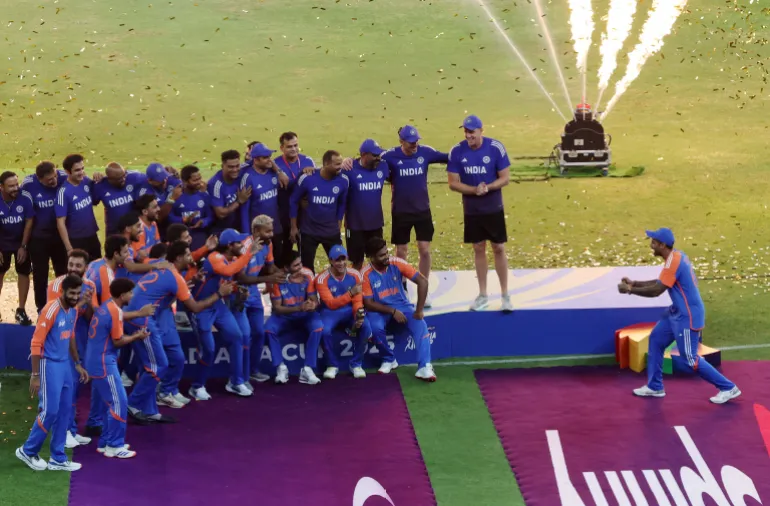
This brings us to India’s recent situation. The seemingly easy answer was: India should not have participated in the Asia Cup. Indeed, political opponents and public voices called for a boycott, supported by hashtags and even street hooliganism, such as breaking televisions showing the games. Yet, they ignored the larger impact. If India withdraws from multilateral competitions, the International Cricket Council (ICC) suffers financially. With the majority of sponsorships dependent on India, ICC events would struggle to survive without Indian participation. Experts from England and Australia often remind India that, as the “big brother” of world cricket, its presence is essential, even at the cost of its own sentiments.
Pakistan, on the other hand, benefits from this structure—its cricketing system survives on revenues generated by Indian audiences and sponsors, even while its administration fuels terrorism across the border. This paradox places the BCCI in a Hobson’s choice. And yet, India’s government, understanding global responsibilities and long-term implications, allowed participation in the Asia Cup.
But what of the players, caught in this crossfire? They are professionals contracted to the BCCI, with little personal choice in the matter. Their only avenue to express solidarity with victims and dissatisfaction with the situation was symbolic gestures—most notably, refusing to engage in handshakes. Predictably, critics labelled this “unsportsmanlike,” ignoring the hypocrisy: those who insist politics should stay out of sport are often the first to inject it selectively when it suits them.
The controversy intensified during the presentation ceremony. Pakistan’s Interior Minister, Mohsin Naqvi, who also heads the Asian Cricket Council (ACC), insisted on personally presenting the trophy despite India’s objections. An administrator’s role is to serve the spirit of the contest, not personal ego. The winners receiving their prize is more significant than who hands it over. Naqvi could have easily avoided the controversy by delegating the task—but instead chose political theatre over sportsmanship.
India, ultimately, lost nothing of substance. The team secured a record eighth Asia Cup title. The trophy presentation, or lack thereof, is symbolic—the real loss was to the credibility of the ACC and its leadership, who failed to uphold the dignity of sport.
So, what lies ahead? Possibly, the end—at least temporarily—of ACC championships. Even in Pakistan, voices may rise against matches with India, as public humiliation must have intensified with off-field drama. For decades, India alone bore the burden of choice—whether to play or not. That equation may finally change, with Pakistan’s administration beginning to feel the pressure of its own public sentiment.
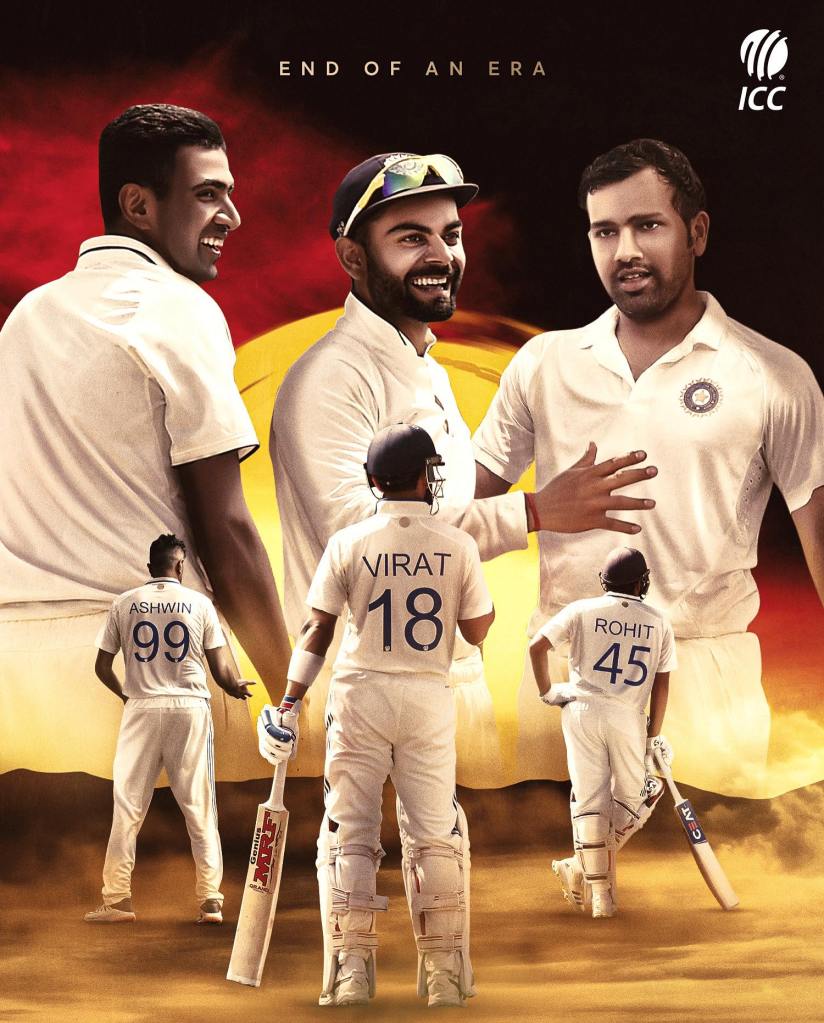
India After Rohit, Ashwin, and Kohli – Virat or Vaman?
ભારતીય ટીમના ત્રણ મહાન સિતારા હમણાંજ નિવૃત્ત થયા. રવિચંદ્રન અશ્વિન, રોહિત શર્મા તથા વિરાટ કોહલી હવે માત્ર ફ્રેન્ચાઇઝ T૨૦ રમતોમાં ભાગ લેશે. આ ત્રણે ખેલાડીઓ ભારતની ટેસ્ટ ટીમના સ્તંભ સમાન હતા. ઊપરાંત રોહિત શર્મા ભારતની ટેસ્ટ અને એક દિવસીય મેચની ટીમના કપ્તાન હતા. માટે ભારતીય ટીમના ચાહક વર્ગમાં આ ત્રણ ધરખમ ખેલાડીઓ એક સાથે નિવૃત્ત થવાથી, ખાસ કરીને ટેસ્ટ ટીમ નબળી પડી જવાની શંકા ઊભી થાય તે સ્વાભાવિક છે; ખાસ કરીને જ્યારે વર્લ્ડ ટેસ્ટ ચેમ્પિયનશિપ ૨૦૨૫-૨૦૨૭ ના નવા સત્રના શ્રીગણેશ ઇંગ્લૅન્ડની મુશ્કેલ શ્રેણીથી થવાના હોય ત્યારે. અશ્વિને તેમની આંતરરાષ્ટ્રીય કારકિર્દી આ વર્ષની શરૂઆતમાં ઓસ્ટ્રેલિયાના પ્રવાસ દરમ્યાન સમેટી લીધી હતી. પણ રોહિત શર્મા અને વિરાટ કોહલી પાસે ટીમના ચાહકવર્ગમાં ઇંગ્લૅન્ડના પ્રવાસ વિષે ખૂબ મોટી અપેક્ષાઓ હતી કારણ આ બન્ને ખેલાડીઓ પાસે ઇંગ્લૅન્ડના પ્રવાસનો ઘણો અનુભવ હતો. કોઈ પણ નવા ખેલાડીને ઇંગ્લૅન્ડ, ઓસ્ટ્રેલિયા, દક્ષિણ આફ્રિકા જેવા દેશોમાં પ્રથમ વાર અથવાતો નહિવત અનુભવ સાથે રમવાનું ઘણું કઠિન લાગતું હોય છે. આમ ખાસ કરીને ભારતની બેટિંગની સફળતા વિષે બન્ને અનુભવી ખેલાડીઓની અનપેક્ષિત નિવૃત્તિનાં કારણે, નિરાશા વ્યાપી જાય તે સમજાય તેવું છે. ઉપરાંત ભારતની ટીમનું સુકાન હવે એક નવા કપ્તાનના હાથમાં આવશે તેના કારણે પણ સફળતાની શક્યતાઓ ઓછી થઈ જશે તેવી માન્યતાઓ અજુગતી ન કહેવાય. ભારતીય ટીમનો ચાહકવર્ગ તથા વિશ્લેષકો ભારતની ટેસ્ટ ટીમના છેલ્લા ઘણા વર્ષો દરમ્યાન બધાજ પ્રતિસ્પર્ધીઓ સામેની સફળતાથી હવે ટેવાયેલા છે. ગયા વર્ષ દરમ્યાન ભારતના પ્રવાસે આવેલી ન્યુઝીલૅન્ડ ટીમનો ૩-૦ થી અનપેક્ષિત શ્રેણી વિજય અને તેના કારણે ભારતીય ટીમનું WTC ફાઇનલમાંથી બહાર થઈ જવું તે ભારતીય ક્રિકેટના ચાહકવર્ગ માટે એક મહાન આંચકાજનક અનુભવ હતો. ઓસ્ટ્રેલિયાના અસફળ પ્રવાસ બાદ ટીમના પ્રદર્શન વિષે નિરાશા વધી ગઈ હતી, તેમાં આ બન્ને અનુભવી ખેલાડીઓની અણધારી નિવૃત્તીએ બળતામાં ઘી હોમવાનું કાર્ય કર્યું. ભારતના ચયનકર્તાઓએ જ્યારે પ્રમાણમાં બિનઅનુભવી કહેવાય તેવા શુભમન ગિલને ટીમનું સુકાન સોંપ્યું, ત્યારે ઇંગ્લૅન્ડના પ્રવાસે જતી ટીમને ચાહકોએ ઉત્સાહ કરતાં આશંકાઓ અને પ્રાર્થનાઓ સાથે વિદાય આપી.
આ લેખ લખું છું ત્યારે ભારતની ટીમ ઇંગ્લૅન્ડ સામે બે ટેસ્ટ રમી ચૂકી છે અને તેમનું પ્રદર્શન કઈક અંશે અનપેક્ષિત રહ્યું છે; ખાસ કરીને જ્યારે અધિકાંશ ચાહકો અને વિશ્લેષકોની અપેક્ષાઓ સાથે સરખાવી ત્યારે. ટીમના જતાં પહેલાં જો કોઇકે એવું કથન કર્યું હોત કે બે ટેસ્ટ મેચ બાદ મુકાબલો ૧-૧ થી બરાબરી પર હશે, તો ઘણાને આ વાત આત્મવિશ્વાસ કરતાં આશાવાદ વધારે લાગત. હેડિંગલીની પ્રથમ ટેસ્ટમાં ભારતની ફિલ્ડિંગ ઘણી નબળી રહી; ઓછામાં ઓછા ૬ કેચઓ પડતાં મુકાયા. આવી ઉદારતાના કારણે હાથમાં આવેલી બાજી સારી ગઈ અને ઉપરના ક્રમાંકના બેટધારોની ખૂબ સુંદર બેટિંગ પાણીમાં ગઈ. પાંચ માંથી ચાર દિવસ, ભારતની ટીમ ઇંગ્લૅન્ડ કરતાં આગળ હતી. બન્ને દાવમાં કુલ પાંચ સદીઓ નોંધાવવા અને ચોથા દાવમાં મોટું કહેવાય તેવું ૩૭૧ રનનું લક્ષ ઇંગ્લૅન્ડને આપ્યા છતાં પરાજિત થવાથી શ્રેણીમાં સફળતા વિષે શરૂઆતમાં જે ડર હતો તે પ્રમાણિત થતો લાગ્યો. બીજી ટેસ્ટ, જે બર્મિંગહામ ના એજબાસ્ટન મેદાન પર રમાઈ ત્યાં ભારતનો ભૂતકાળનો દેખાવ પ્રેરણાદાયક ન હતો. તદુપરાંત દુનિયાના એક નંબરના બોલર જસપ્રિત બૂમરાને આરામ આપવાના મુશ્કેલ નિર્ણય બાદ મેચ જીતી અને શ્રેણીમાં બરાબરી કરવી લગભગ અશક્ય લાગતું હતું. પણ ફરી એક વખત જેમ ૨૦૨૦-૨૧ ની બોર્ડર-ગાવસ્કર ટ્રોફીમાં ભારતના બિનઅનુભવી અને ઊગતા ખેલાડીઓએ કમાલ બતાવી હતી તેવીજ રીતે માત્ર ૭ ટેસ્ટ રમેલા ઝડપી બોલર આકાશ દીપની ૧૦ વિકેટો અને મોહમ્મદ સિરાજની ૭ વિકેટો દ્વારા ભારતે ઇંગ્લૅન્ડને તેમના ઘર આંગણે ૩૩૬ રનથી હરાવીને એક નવો વિક્રમ સ્થાપિત કર્યો. ઝડપી બોલરોને મદદ ના મળે તેવી પિચ ઉપર પણ ભારતના બોલરોએ ૨૦ માંથી ૧૮ વિકેટો ખેરવી બૂમરાની ગેરહાજરી સાલવા ના દીધી. ભારતના ઊગતા અને પ્રમાણમાં બિનઅનુભવી કહેવાય તેવા બેટધર અને કપ્તાન શુભમન ગિલે બેટિંગના નવા કીર્તિમાન સ્થાપિત કર્યા. તેમણે એકજ ટેસ્ટમાં બંને દાવમાં મળીને કુલ ૪૩૦ રન ફટકાર્યા જે તેમને વિશ્વ વિક્રમી ઇંગ્લૅન્ડના ગ્રેહામ ગુચ પછી બીજા સ્થાન ઉપર બિરાજીત કરે છે. જ્યારે ટીમનો કપ્તાન પોતાની રમતની ચરમ સીમા ઉપર હોય ત્યારે આખી ટીમને પણ પોતાના પ્રદર્શન માટે પ્રોત્સાહન મળતું હોય છે. શ્રેણીની બાકી રહેલી ત્રણ ટેસ્ટ મેચો માટે આ રમત દરમ્યાન આખી ટીમનું પ્રદર્શન વિજય માટે ઉત્પ્રેરક બની રહેવું જોઈએ. ભારતીય ટીમના ચાહકો તથા પારંગત વિશ્લેષકો કે જેઓ માટે આ પરિણામ અણધાર્યું કહેવાય, તે બધાજ માટે હવે આ શ્રેણીના પરિણામ વિષે આશાનું એક નવું કિરણ દેખાય છે તેવું કહેવામાં કોઈ અતિશયોક્તિ નથી. પણ દિલ્લી હજુ દૂર છે. અત્યાર સુધી બન્ને ટેસ્ટ મેચોમાં ભારતેને જે પિચ અને વાતાવરણમાં રમવાનો મોકો મળ્યો છે તે ઇંગ્લૅન્ડની સ્વાભાવિક પરિસ્થિતિ કરતાં અલગ અને અપવાદરૂપ કહેવાય. આ બન્ને ટેસ્ટ મેચોમાં પિચ બેટિંગની તરફેણમાં રહી છે અને વાતાવરણ પણ સ્વિંગ બોલિંગને મદદરૂપ રહ્યું નથી. આગળ જતાં પરિસ્થિતિ બદલાય તો આ નવોદિત ટીમની શક્તિની સાચી કસોટી થઈ શકે છે. પણ અત્યાર સુધીમાં તેમણે જે પ્રદર્શન કર્યું છે તે જોતાં લાગે છે કે જે ત્રણ મહાન ખેલાડીઓ તાજેતરમાં નિવૃત્ત થયા છે તેમની ખોટ ઝડપથી પુરાઈ જશે.
કોહલી અને રોહિત જેવા અનુભવી ખેલાડીઓ એકસાથે નિવૃત્ત થાય ત્યારે કોઈ પણ ટીમને માટે પડકારરૂપ હોય છે. ભૂતકાળમાં જ્યારે ભારતના ‘ફેબ ફોર’, સૌરવ ગાંગુલી, રાહુલ દ્રવિડ, લક્ષ્મણ અને સચિન તેંડુલકર એક પછી એક નિવૃત્ત થયા ત્યારે ભારતીય ટીમમાં ના પુરાય તેવી ખોટ પડી હતી અને સૌ ચાહકો અને વિશ્લેષકો ટીમના ભવિષ્ય વિષે શંકાશીલ થયા હતાં. પણ ત્યાર બાદ મહેન્દ્ર સિંહ ધોની, વિરાટ કોહલી, ચેતેશ્વર પૂજારા, રવિ અશ્વિન, રવીન્દ્ર જાડેજા અને અજિંકયા રેહાણે જેવા ખેલાડીઓએ ટીમને ખૂબ મજબૂતાઈ આપી અને અનપેક્ષિત સફળતા તરફ દોરી ગયા. કોહલીની કપ્તાની હેઠળ ભારતીય ટીમની માનસિકતા ખૂબ સુદ્રઢ બની અને તેનું રૂપાંતર SENA દેશોમાં ખાસ કરીને અવિજિત કહેવાય તેવા ઓસ્ટ્રેલિયામાં, સળંગ બે શ્રેણીઓમાં જીતમાં પરિણમ્યું. ૨૦૧૨-૧૩માં આવા પરિણામનું ભવિષ્ય કોઈ ભાખવા તૈયાર ન હતું. મારી દ્રષ્ટિએ છેલ્લા ૨૫-૩૦ વર્ષ દરમ્યાન ભારતીય ક્રિકેટમાં જે પરંપરા સ્થાપિત થઈ છે અને જેના સથવારે નવોદિત પ્રતિભાશાળી ખેલાડીઓને પ્રોત્સાહન મળે છે તેનું આ પરિણામ છે.
હું માનું છું કે ભારતમાં જ્યારે પણ પ્રસ્થાપિત ખેલાડીઓ નિવૃત્ત થાય છે ત્યારે અપેક્ષા અને હકીકત વચ્ચેના દ્વંદ્વમાં મહદઅંશે નિરાશાવાદી અભિપ્રાયજ વિજયી બનતો હોય છે. કૈંક અંશે આ સમજાય તેવી વાત પણ છે. નવોદિત ખેલાડી જ્યાં સુધી પરદેશમાં પોતાની કાબેલિયત સાબિત ના કરે ત્યાં સુધી તેના ઉપર પ્રશ્નચિન્હ રહેજ છે. ઘર આંગણે બનાવેલ રન અથવા વિકેટો પરદેશમાં પણ રૂપાંતરિત થાય તેવું માત્ર અનુમાનજ કરી શકાય. માટે રોહિત શર્મા અને ખાસ કરીને વિરાટ કોહલીની નિવૃત્તિ ભારતીય ક્રિકેટના ચાહકો માટે નિરાશાજનક બને તે સ્વાભાવિક છે. વિરાટ પાસેથી ટીમ માત્ર રનજ નહીં પણ આક્રમકતા પણ મેળવતી હતી. વિરાટની રમત માત્ર પોતાની ટીમના સ્કોરકાર્ડ સુધીજ સીમિત ન હતી. તેમની હાજરી માત્ર પ્રતિસ્પર્ધી માટે માથાના દુખાવા સમાન હતી. તેમની પાસે પોતાની ઊર્જાના પૂર દ્વારા આખી ટીમને ચેતનવંતી કરી દેવાની અનોખી શક્તિ હતી. આવું ઘણા ઓછા ખેલાડીઓ કરી શકતા હોય છે. છેલ્લા ઘણા વર્ષો થી વિરાટ કોહલી ભારતની ટીમ માટે એક ખૂબ અગત્યના પાયાના સ્તંભ સમાન હતાં, જેમની હાજરી માત્ર તેમની ટીમને પ્રેરણા અને પ્રતિસ્પર્ધીને પડકાર આપવા માટે સક્ષમ હતી. માટે તેમની નિવૃત્તિ પછીની ભારતની ટીમની સફળતાની કલ્પના કરવી મુશ્કેલ લાગે તે સ્વાભાવિક છે. પણ તેમનો આ નિવૃત્તિનો નિર્ણય જે આપણને અણધાર્યો લાગે તે શું ખરેખર આમ હશે?
આંતરરાષ્ટ્રીય સ્તર પર ખ્યાતિ પામેલા અને વર્ષો પોતાનું સ્થાન જાળવી રાખવામાં સફળ થયેલા ખેલાડીઓ પોતાની રમત અને પરિસ્થિતિથી હમેશા ખૂબ જાગૃત રહેતા હોય છે. વિરાટ કોહલીનો બેટિંગ રેકોર્ડ તપાસીએ તો કદાચ તેમની નિવૃત્તિનો નિર્ણય કેમ અચાનક ન હતો, તેનું એક શક્ય કારણ દ્રશ્યમાન થઈ શકે છે. કોહલીએ તેમની વિરાટ કારકિર્દી દરમ્યાન ૧૨૩ ટેસ્ટ મેચોમાં ૨૧૦ ઇનિંગ્સ રમી ૪૬.૮૫ ની સરેરાશ સાથે ૯૨૩૦ રન કર્યા જેમાં ૩૦ સેન્ચુરીઓનો સમાવેશ થાય છે. તેમણે જાન્યુઆરી ૨૦૨૨ એટલે કે દક્ષિણ આફ્રિકાના પ્રવાસ સુધી, ૧૬૯ ઇનિંગ્સમાં ૫૦.૩૫ રનની સરેરાશ સાથે કુલ ૮૦૦૭ રન બનાવેલ હતાં જેમાં ૨૭ સેન્ચુરીઓનો સમાવેશ થાય છે. આમ તેમની એક સેન્ચુરી દર ૫.૩ ઇનિંગ્સમાં બનતી હતી. આ સેન્ચુરી બનાવવાનો દર વિશ્વના ઉપરના પ્રથમ પાંચ ખેલાડીઓમાં આવતો હતો; સર ડોન બ્રેડમેન ૨/૭૬ ના દર સાથે સર્વોપરી છે, પણ તેમના બાદ ઓસ્ટ્રેલિયાના સ્ટીવન સ્મિથ અને વિરાટ કોહલી બિરાજમાન હતાં. પણ માર્ચ ૨૦૨૨ એટલેકે શ્રી લંકાની શ્રેણીથી જો અંત સુધી કોહલીનો રેકર્ડ તપાસી તો સ્પષ્ટ થાય છે કે તેમની ઉત્તરોત્તર અધોગતિ થઈ રહી હતી. ૧૨-માર્ચ-૨૨ થી ૦૩-જાન્યુવારી-૨૫ જે તેમની સિડની ટેસ્ટની છેલ્લી ઇનિંગ્સ હતી, ત્યાં સુધી તેમણે કુલ ૪૧ ઇનિંગ્સમાં માત્ર ૩૨.૧૮ ની સરેરાશથી ૧૨૨૩ રન બનાવ્યા જેમાં માત્ર ત્રણ સેન્ચુરીઓનો સમાવેશ થાય છે. તેમનો સેન્ચુરીનો દર ૫.૩ નો હતો તે ઘટીને ૧૨.૭ ઉપર આવી ગયો. મતલબ કે જે કોહલી પહેલાં દર ૬ ઇનિંગ્સ માં એક સેન્ચુરી ફટકારતાં હતાં તેમને હવે સદી બનાવતા ૧૨-૧૩ ઇનિંગ્સ લાગતી હતી. તેમાં પણ જાન્યુઆરી ૨૦૨૪ થી છેલ્લી ૨૧ ઇનિંગ્સમાં તો તેમણે માત્ર ૨૪.૪ ની સરેરાશથી ૪૪૦ રન બનાવ્યા જેમાં માત્ર એક સેન્ચુરી હતી. જે ખેલાડી પોતાની સફળતામાટે ખૂબ સજાગ હોય અને એક વખતે ક્રિકેટ જગતમાં જેની હાક વાગતી હોય તે પોતાના આવા દેખાવથી નિરાશ ના હોય તેવું કોઈ કાળે મનાય નહીં. સફળતા કરતાં નિષ્ફળતા માનસ ઉપર વધુ ઘેરી છાપ છોડતી હોય છે. અને જ્યારે ખેલાડીને એવું લાગે કે હવે આ વમળમાંથી બહાર નીકળવું દિવસે દિવસે મુશ્કેલ થતું જાય છે ત્યારે નિવૃત્તિ લઈ લેવી યોગ્ય કહેવાય.
વિરાટ અને રોહિત બન્નેના કારકિર્દીના છેલ્લા વર્ષોના રેકોર્ડ તપાસી તો તેમના રનોના ગ્રાફની લીટી સતત નીચે ને નીચેજ જતી હતી. કદાચ તેમના ચાહકો માટે તેમની નિવૃત્તિ એક અનપેક્ષિત આંચકો લાગે પણ અંગ્રેજીની કહેવત પ્રમાણે બન્ને માટે “the writing was on the wall”. આ પરિસ્થિતિમાં કોઈ નવા અને બિનઅનુભવી ખેલાડી પાસે પણ આનાથી વધુ નિમ્ન સ્તરના દેખાવની શક્યતા નથી રહેતી. ઘણી વખત એવું બને છે કે પોતાના પ્રિય ખેલાડીની ઘટતી જતી ક્ષમતા ચાહક વર્ગ જોઈ શકતો નથી, પણ રમતનું વિશ્લેષણ કરનાર અને ખાસ કરીને જેમના ઉપર ટીમના ભવિષ્યની જવાબદારી છે તેવા ચયનકર્તાઓ હકીકત જોઈ નિર્ણય લેતા હોય છે. મારી ધારણા મુજબ બન્ને ખેલાડીઓને ભારતીય ક્રિકેટ બોર્ડ તરફથી સંકેત જરૂર મળી ગયા હોવા જોઈએ જેણે તેમના નિવૃત્તિ લેવાના નિર્ણયને સરળ બનાવી દીધો હશે.
તો ભારતીય ક્રિકકેટના ભવિષ્યમાં શું? જો અત્યાર સુધીની બે ટેસ્ટ મેચોનું પરિણામ તપાસીએ તો એમ લાગે છે કે નવોદિત ખેલાડીઓ આંતરરાષ્ટ્રીય સ્તર પર જલ્દીથી સ્થિર થઈ જશે. જે રીતે ભારતની ટેસ્ટ ટીમ, સચિન તેંડુલકર, રાહુલ દ્રવિડ અને મહેન્દ્ર સિંહ ધોની જેવા ખમતીધર ખેલાડીઓની ખોટ સહન કરીને પણ આગેકૂચ કરતી રહી છે તેવીજ રીતે આવી રહેલા નવયુવાન ખેલાડીઓમાં ઘણી પ્રતિભા દેખાય છે જે ભારતના ક્રિકેટ ને આગળજ વધારતા રહેશે. કોહલીનો વારસો ભારતના ક્રિકેટને વિરાટ બનાવવામાં મદદરૂપ બનશે તે મારી દ્રષ્ટિએ એક નિર્વિવાદ હકીકત છે.
English Translation
India After Rohit, Ashwin, and Kohli – Virat or Vaman?
Three great stars of Indian cricket have just retired. Ravichandran Ashwin, Rohit Sharma, and Virat Kohli will now only play in franchise T20 matches. These three players were the pillars of India’s Test team. In addition, Rohit Sharma was the captain of both the Test and ODI teams. So, with the simultaneous retirement of these three towering players, it is natural for Indian cricket fans to worry that the Test team might weaken—especially as the 2025–2027 World Test Championship cycle is set to begin with a tough tour of England.
Ashwin ended his international career earlier this year during the tour of Australia. However, fans had high hopes from Rohit Sharma and Virat Kohli for the England tour because both had considerable experience playing there. For any new player, facing teams in England, Australia, or South Africa for the first time, or with little experience, is an immense challenge. Thus, the unexpected retirement of these two senior batters has led to disappointment among fans, particularly regarding the team’s batting prospects. Furthermore, with the captaincy now passing to a new, less experienced leader, expectations of continued success have naturally dampened.
Indian fans and analysts have become accustomed to seeing consistent success in Test cricket over recent years. The unexpected 3–0 series loss to New Zealand last year during their tour of India—and the resulting elimination from the WTC Final—was a major shock. After the unsuccessful tour of Australia, discontent grew further, and the retirement of these two veterans felt like adding fuel to the fire. When selectors handed the captaincy to the relatively inexperienced Shubman Gill, fans saw the team off to England with a mix of apprehension and prayer.
At the time of writing, India has played two Tests against England, and their performance has been somewhat surprising—especially when compared with the expectations of most fans and pundits. If someone had claimed before the tour that the series would be level at 1–1 after two Tests, many would have considered it overly optimistic.
In the first Test at Headingley, India’s fielding was below par, with at least six catches dropped. This generosity cost India dearly, overshadowing otherwise stellar batting performances. For four of the five days, India had the upper hand. Despite scoring five centuries across two innings and setting England a formidable target of 371 runs in the fourth innings, India ended up losing—thus confirming initial fears about the series outcome.
The second Test was played at Edgbaston, Birmingham, where India’s past record had not been inspiring. Furthermore, with the world’s top-ranked bowler Jasprit Bumrah rested, winning the match and leveling the series seemed almost impossible. But just as India’s inexperienced players had shone during the 2020–21 Border-Gavaskar Trophy, so too did fast bowler Akash Deep, who took 10 wickets in just his seventh Test. Alongside Mohammed Siraj’s 7 wickets, India beat England by a record 336 runs. Even on a pitch that offered little help for fast bowlers, the Indian attack dismissed 18 out of 20 batsmen, nullifying Bumrah’s absence.
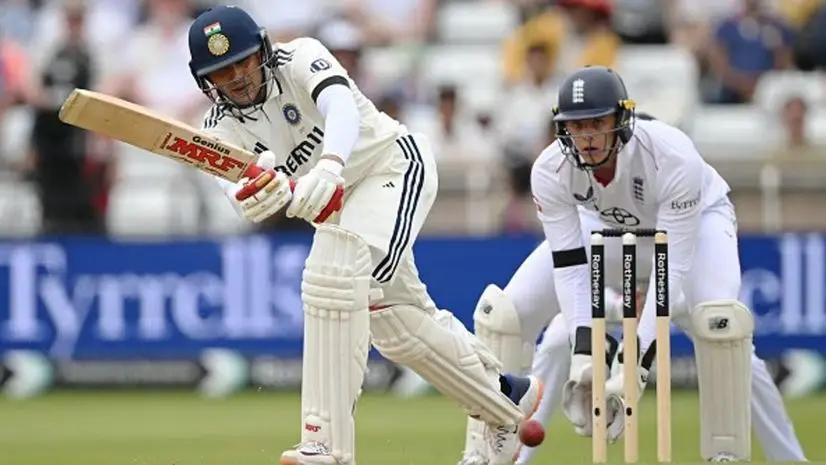
Emerging batter and captain Shubman Gill set new records with the bat. Scoring a total of 430 runs across both innings of a single Test, he now stands second only to England’s Graham Gooch in terms of runs scored in one Test. When a captain performs at his peak, it boosts the entire team. This performance should inspire the team for the remaining three Tests.
For fans and seasoned analysts who were skeptical, the recent result brings a new ray of hope. But the road ahead remains long. So far, the conditions in the two Tests have not been typical of England—batting-friendly pitches and no real help for swing bowling. Should those conditions change, this young team will face its true test. However, based on what we’ve seen so far, it seems that the void left by the three greats may be filled faster than expected.
When players of the stature of Kohli and Rohit retire together, it presents a huge challenge for any team. In the past, when India’s “Fab Four”—Sourav Ganguly, Rahul Dravid, VVS Laxman, and Sachin Tendulkar—retired one after the other, it left a gap that made fans and pundits uneasy about the team’s future. Yet, players like MS Dhoni, Virat Kohli, Cheteshwar Pujara, Ravichandran Ashwin, Ravindra Jadeja, and Ajinkya Rahane stepped up and led the team to unexpected heights. Under Kohli’s captaincy, the team became mentally stronger, achieving rare victories in SENA countries, especially two successive series wins in Australia—something few had predicted in 2012–13.
I believe the tradition that has been established in Indian cricket over the past 25–30 years is now bearing fruit—providing consistent support and opportunities for emerging talent.
In India, when established players retire, pessimistic views often win out in the battle between expectation and reality. It’s understandable to some extent: until young players prove themselves overseas, question marks remain. Runs and wickets at home do not guarantee success abroad. So it’s natural that the retirement of Rohit Sharma and especially Virat Kohli would bring disappointment to fans. Kohli contributed not just runs but intensity and aggression. His presence went beyond just adding to the scoreboard—he was a psychological challenge to opponents, energizing the team through his passion and charisma.
For years, Kohli was a cornerstone of Indian cricket, inspiring his team and intimidating the opposition. So imagining a successful Indian side without him is difficult. But was his retirement truly unexpected?
Great players who’ve had long, successful careers are acutely aware of their game and their circumstances. If we examine Kohli’s batting record, we might see a reason behind his decision. Over 123 Tests and 210 innings, he scored 9,230 runs at an average of 46.85, with 30 centuries. Until January 2022 (South Africa tour), he had scored 8,007 runs in 169 innings at an average of 50.35, with 27 centuries—a century every 5.3 innings, among the best in the world behind only Sir Don Bradman and Steve Smith.
However, from March 2022 (Sri Lanka series) to January 2025 (his final innings in Sydney), he scored only 1,223 runs from 41 innings at an average of 32.18, with just 3 centuries. His century rate dropped from 5.3 to 12.7 innings per century. In his last 21 innings (since Jan 2024), he scored only 440 runs at an average of 24.4, with a single century. A player so aware of his performance would undoubtedly feel this decline. Failure leaves a deeper impression than success, and when a player sees no clear way out, retirement becomes a natural choice.
Both Kohli and Rohit showed a steady decline in recent years. Their retirement might seem like a shock to fans, but as the English saying goes, “the writing was on the wall.” In such a situation, even a newcomer would be unlikely to perform worse. Often, fans cannot see the fading capabilities of their favorite players, but selectors—responsible for the team’s future—see the truth and act on it. I believe both players must have received a clear signal from the BCCI, which helped them make the decision to retire.
So, what lies ahead for Indian cricket?
If the results of the first two Tests are any indication, the new generation of players may settle into international cricket faster than expected. Just as the Test team moved forward after the retirements of Tendulkar, Dravid, and Dhoni, today’s young cricketers are showing the talent to carry Indian cricket even further. In my view, Kohli’s legacy will help make Indian cricket truly “Virat” (great).
After a long time, saw a good classical test type innings last night from Shubhman Gill at Edgebaston. Innings where the solidity of defence formed the basis of run making. The first thought in facing every ball was to deny a wicket and still think of making a run. Coaxing the ball through the gaps without any undue risk. Either punching it hard to the fence or playing it softly away from the fielder and taking a single, every shot told the opposition that you can’t get me out, try whatever you want to do. Good old classical way of playing cricket.
In the era when the white ball short format cricket takes a centre stage, boundaries are specifically shortened to let unintended batting errors become sixes, bats have blades as thick as a tree trunk and edges give bowlers heart aches instead of wickets, such batting had become an exotic species on the verge of extinction! Cross batted biffs or what I fondly call as “bhathabaji”, where run making is more an accident than design, the numbers on the scorecard often leaves an old timer like me, a self – proclaimed connoisseur of cricket; dissatisfied and in some ways, cheated! Sure, run making is the name of the game. But when it accompanies a quality of batsmanship that pleases the eye, the enjoyment doubles. The short format game has cultivated the era where the run making has become the focus; how you get them, is not! It’s a bit like moving away from meaningful lyrics of a song fitting a melody to the adrenalin pumping rhythm taking the precedence in music making! You enjoy both, but a caress to the fence gives more pleasure to the cricketing soul than a cross batted biff over the fence. In terms of contest also, the former is more valuable as it breaks the bowlers’ confidence while the latter gives the bowler some hope!
Test cricket is a slow burn. A great first innings often doesn’t translate into a great last innings and a win! So, the key is not to just win a contest or small battles. Every battle won must translate into winning a war. And when your opponent is as good or better than you under the conditions, you need to dominate him mentally. Winning a few sessions isn’t enough. This is where showing complete command over your batsmanship gives your opponent despair. And equally importantly, your team a belief that you can win the war. When it comes from the leader, it acts as a tonic for the team.
Years back, in Indian cricket, Sunny Gavaskar’s batting used to give Indian team a hope that they can draw a test match, which was equal to a win in those days! Then a series of batters came along who took Indian batsmanship to new heights and instilled belief that we can win. There was solidity coupled with aesthetic beauty in run making. And occasionally that transcended into ethereal experience of watching a batter use his bat as a wizard’s wand and create magic. Watching Very Very Special Laxman gave me that feeling. Last night, Shubhman Gill reminded me of that bygone era of ethereal beauty, where he and batters like Mark Waugh used to not just rule the cricket field but also our hearts. Those beautiful memories had somehow got buried under the bazzballing avalanche. Thanks Shubhman, for reviving those great memories. May this continue through the series and beyond and make this ungainly contest between bliss and biff in test cricket, irrelevant!