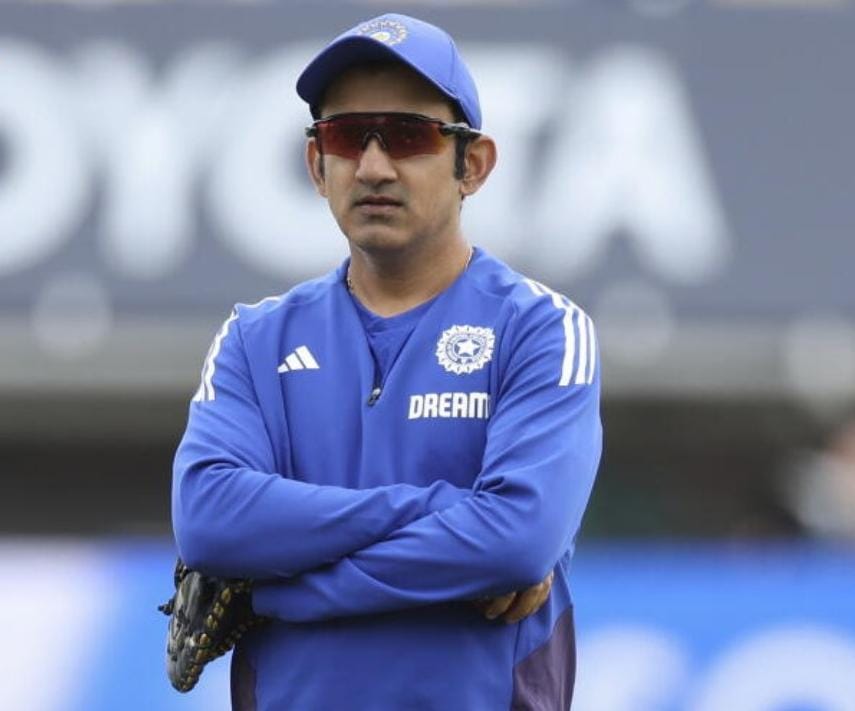
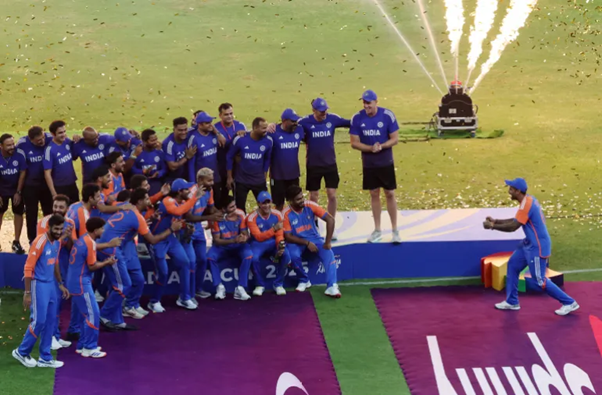
Under the guidance of coach Gautam Gambhir, the Indian cricket team has set a few new records. While the team has achieved notable success in the limited-overs formats, it has also suffered shocking defeats in Test cricket and even in the T20 format, where India has traditionally been considered one of the strongest teams. Alongside winning trophies such as the ICC Champions Trophy, the Asia Cup, and the ICC T20 World Cup, India has also produced some unexpected results. These include a 0–2 series defeat to Sri Lanka in 2024—the first such loss in 27 years. Then, just last month, came a humiliating 0–2 whitewash in the T20 series against Ireland. Following that, England thrashed the T20 world champs 4-0; thanks to the rain Gods the series result wasn’t 5-0!
Ever since Gautam Gambhir became India’s coach, he has attracted more attention than the team itself. There could be several reasons for this. Some cricket commentators and social media observers have claimed that his appointment owed more to political reasons than to cricketing credentials. The primary reason for such speculation is perhaps his recent political career. Gambhir’s coaching résumé before becoming India’s coach was virtually insignificant. He had never held the responsibility of coaching any team. His only experience was serving as a mentor for IPL teams for two years, and that too during his tenure as a BJP Member of Parliament from 2019 to 2024. Naturally, such an appointment raises questions, especially when success as a cricket coach is difficult to measure. Furthermore, Gambhir’s arrival coincided with the somewhat premature retirements of senior players such as Virat Kohli and Rohit Sharma. It is therefore understandable why some suspect that his appointment may have had motives beyond cricket. Cricket fans like you and me, who rarely have access to the truth about the inner workings of the Indian team, are often left relying on our sixth sense to separate fact from rumour.
Before Gambhir’s tenure began, India had never suffered a whitewash in a three-Test home series. New Zealand had never won a Test series in India. In fact, no visiting team had won a Test series in India since 2004. All these records were shattered when New Zealand won the 2024 series 3–0. As if that was only a warning of bigger shocks to come, South Africa defeated India 2–0 in a Test series in 2025, once again completing a whitewash. Another unwanted feather in coach Gambhir’s cap. Yes, there are two or three ICC trophies to provide some consolation, but the history of his coaching tenure appears more stained by these failures than decorated by success.
After the collapse in the Test series against South Africa, India went on to win the T20 World Cup. The joy of that triumph overshadowed the Test debacle. But India’s embarrassing T20 series defeat to Ireland has reopened those old wounds. The celebrations following the victory on 8 March 2026 did not last very long. Ireland had failed to progress beyond the first stage of the World Cup, managing only a single victory. Yet, just three months later, the very same team whitewashed the world champions. I agree that India did not send its strongest team to Ireland. Even so, India’s second or third-string side should have been capable of defeating an Irish team that could hardly be regarded as a major cricketing force—at least on paper. But the team’s supporters had absolutely no expectation of such a shocking performance. One question naturally comes to everyone’s mind: Is Mr. Gambhir very seriously preparing Indian cricket fans for even bigger shocks ahead? Results like these are enough to make even an atheist cricket fan start praying!
During Gambhir’s tenure, remarkable victories and shocking defeats have arrived with almost equal speed. Cricket lovers like you and me feel as though we are riding a roller coaster. Winning and losing are both integral parts of sport. But when a team’s form fluctuates so wildly and so quickly, like a yo-yo, it is only natural to feel dizzy. During the 1970s and 1980s, India was famous for its unexpectedly fighting performances. The only problem was that nobody could predict when the fighting Indian team would actually turn up—not even the team itself! Today, Pakistan wears that crown. Looking at India’s current roller-coaster performances, one cannot help but wonder whether Pakistan may soon lose that distinction! Let us hope that either Mr. Gambhir or the BCCI selectors wake up before long.
When Sourav Ganguly took over as captain of India, a noticeable transformation began in the attitude of Indian cricketers. Under Mahendra Singh Dhoni’s leadership, this change became even stronger, and under Virat Kohli’s captaincy, it reached its peak. The circumstances surrounding the end of Kohli’s captaincy remain an unsolved mystery. However, under Rohit Sharma’s leadership, India continued to play with the same fighting spirit and remained a team that was extremely difficult to beat. Yet within the corridors of the BCCI, there was a growing feeling that both Virat and Rohit were approaching the end of their careers. In particular, despite Kohli’s steadily declining Test performances, his stature in international cricket had become so great that removing him from the team appeared almost impossible—especially when the selectors did not receive strong backing from the gentle and accommodating coach Rahul Dravid. Therefore, once Dravid’s tenure ended, it appears that a plan was put into motion to appoint a comparatively inexperienced but firm-minded coach like Gambhir. This suggests that Gambhir’s selection may have been driven less by the long-term advancement of Indian cricket and more by the immediate objective of ushering Virat Kohli and Rohit Sharma towards retirement and rebuilding the Indian team. Whenever established players retire, every team goes through a period of disappointing results. It can certainly be said that, following the retirements of these two outstanding players and Ravichandran Ashwin, India has performed reasonably well overseas. What remains shocking, however, are the two crushing home Test series defeats.
Were these defeats simply the result of changes in personnel? In situations like this, it would be unfair to point to any single reason. However, an analysis of both the New Zealand and South Africa Test series reveals one clear pattern. India’s batsmen struggled badly against the opposition’s spin bowling. The team management requested heavily spinning pitches, but the decision ultimately backfired on their own team. On one hand, they underestimated the quality of the opposition’s spin bowlers. On the other, they overestimated the ability of their own batsmen to play spin. During both series, it became evident that India’s batsmen and bowlers are now more comfortable on faster pitches offering some bounce than on sharply turning surfaces. Over the past several decades, heavily spinning wickets have become increasingly rare in India’s domestic competitions. Most pitches now provide good pace and bounce for four or five days. This is precisely why India has produced a continuous stream of quality fast bowlers over the past two decades, whereas the supply of spin bowlers has not been as abundant as it traditionally used to be. So yes, the batsmen’s inability against spin was certainly one factor behind India’s collapse. But in my opinion, the greater cause was the strategy of preparing excessively spinning pitches. Such decisions lie more within the control of the team management than the players themselves. It seems to me that Gambhir’s inexperience as a coach, combined perhaps with his tendency to focus intensely on a particular idea, may have contributed significantly to this mistake.
Very few batsmen in world cricket—not just in India—have been as accomplished against spin bowling as Gautam Gambhir. Quite often, something that comes naturally to you as a player may not receive the same attention when you become a coach. Instead, your focus may shift elsewhere. Even after suffering a crushing home defeat against New Zealand, Gambhir was unable to alter his strategy against South Africa, resulting in another heavy defeat. This perhaps also points towards a certain degree of stubbornness. It is often the case that when a player becomes a coach, it takes time to develop the habit of seeing the bigger picture rather than viewing the game solely through his own perspective. Furthermore, if the individual is naturally stubborn, changing one’s approach can take even longer. As a coach, one must develop the ability to understand the strengths and limitations of every player in the team—a task at which even the greatest players can fail. I will cite just one example of a truly great player who could not become a successful coach: Greg Chappell. To some extent, the puzzle surrounding coach Gautam Gambhir appears equally perplexing.
For now, the ball is in the BCCI’s court. Only time will tell how long a rope is given to Mr. Gambhir.
એશિયા કપની જીત સાથે ઉભો થયો પ્રશ્ન — શું રમતને રાજકારણથી ખરેખર દૂર રાખી શકાય?
તમારો પાડોશી છેલ્લા પંચોતેર વર્ષથી તમારા વિરુદ્ધ સતત યુદ્ધ ચલાવી રહ્યો છે — સૈન્યની કાર્યવાહી દ્વારા પણ અને આતંકવાદ દ્વારા પણ. તમે આ બધું સહન કર્યું, હંમેશા પ્રતિસાદ ફક્ત આક્રમણના જવાબમાંજ આપ્યો. પરંતુ હવે, જ્યારે તમારા નિર્દોષ નાગરિકો રજાઓ માણતા હોય અને તેમના પરિવારની સામે તેમની હત્યા થાય, ત્યારે તમારી સંસ્કૃતિએ શીખવેલી સહનશીલતા કાયરતામાં પરિણમે — જો યોગ્ય પ્રતિસાદ ન અપાય તો. આ હવે વિવાદ નહીં, યુદ્ધ છે.
બહિષ્કારની વાત સરળ છે પણ વાસ્તવિકતા? વારંવાર કહેવામાં આવે છે કે રમત અને રાજકારણને એકબીજાથી દૂર રાખવા જોઈએ. પણ આ સલાહ આપવી સહેલી છે, અનુસરવી કઠિન છે. જ્યારે તમારો દેશ પોતાના જ નાગરિકોના રક્તથી રંજાઈ રહ્યો હોય, ત્યારે મેદાનમાં દુશ્મન સાથે હાથ મિલાવવો વ્યર્થ લાગે છે. આવી સ્થિતિમાં રમત આપમેળે ગૌણ બની જાય છે. આપણે કહી શકીએ કે “દુશ્મન સામે ન રમવું” એ જ ઉકેલ. ન તમારી ટીમ મોકલવી, ન તેમની આવકારવી. દ્વિપક્ષીય મુકાબલામાં આ શક્ય છે, પણ બહુદેશીય સ્પર્ધાઓમાં મુશ્કેલ. સ્પર્ધામાં ભાગ ન લેવાથી તમે સ્પષ્ટ સંદેશો જરૂર આપો છો, પણ સાથે ખેલાડીઓને તેમની તકથી વંચિત પણ કરો છો. સ્પર્ધા નબળી પડી જાય છે અને રમતનો મૂળ હેતુ — સ્પર્ધા — અપૂરતો રહે છે.
આજની રમત માત્ર શોખ નથી; એ વૈશ્વિક ઉદ્યોગ છે. લાખો લોકોની આજિવિકા તેના પર આધારિત છે. અન્ય વ્યવસાયો કરતા ખેલાડીઓની કારકિર્દી ખૂબ ટૂંકી હોય છે; તેથી દરેક તક તેમના માટે નિર્ણાયક હોય છે. જ્યારે આપણે ખૂબ સરળતાથી બહિષ્કારની સલાહ આપી દઈએ છીએ, ત્યારે આ હકીકત ભૂલી જઈએ છીએ. ભારતને આવી સલાહ ભારતની બહારથી બીજા દેશોના ખેલાડીઓ અને વિવેચકો તરફથી પણ ખૂબ મળી; એવા દેશો કે જેમનો ઇતિહાસ કહે છે કે તેઓ રાજકારણને રમતથી દૂર રાખવામાં સદંતર નિષ્ફળ ગયા છે! ઇંગ્લૈંડ અને ઓસ્ટ્રેલિયા, બન્ને જ્યારે માફક આવે ત્યારે રાજકારણ કરે અને માફક આવે ત્યારે સલાહ આપે! આ તેમના માટે સ્વભાવગત વાત છે. આ બન્ને દેશોને આતંકવાદનો અનુભવ ભારતના પ્રમાણમાં ઘણો ઓછો છે. પોતાની ધરતી ઉપર યુદ્ધ થાય ત્યારે સાચો અનુભવ થાય. કહે છે ને કે જ્યાં સુધી પગ નીચે રેલો ના આવે ત્યાં સુધી સલાહ આપવી સરળ છે!
ભારત માટે તાજા સંજોગોમાં એક સહેલો જવાબ હતો — ભારતે એશિયા કપમાં ભાગ ન લેવો જોઈએ. ભારતમાં રાજકીય વિરોધીઓએ એ જ માગણી કરી, સોશિયલ મીડિયા પર અભિયાન ચલાવ્યાં, ટીવી તોડ્યાં. પરંતુ તેમણે પરિણામો વિચાર્યા? ભારત વિના આંતરરાષ્ટ્રીય ક્રિકેટ પરિષદ (ICC) નું ટૂર્નામેન્ટ ચલાવવું મુશ્કેલ બને, કારણ કે મોટાભાગના સ્પોન્સર ભારતીય બજાર પર આધારિત છે. ઇંગ્લેન્ડ અને ઑસ્ટ્રેલિયાના વિશ્લેષકો વારંવાર ભારતને “વિશ્વ ક્રિકેટનો મોટો ભાઈ” હોવાના અને તે પ્રમાણે તેમનો અભિગમ અપનાવવાની સલાહ આપતા રહેતા હોય છે. આ સંજોગોમાં ભારતની હાજરી અનિવાર્ય છે.
બીજી તરફ, પાકિસ્તાનને આથી લાભ માત્ર છે — તેની ક્રિકેટ વ્યવસ્થા ભારતીય દર્શકો અને સ્પોન્સરોના પૈસાથી ચાલે છે, ભલે તેનું રાજકીય તંત્ર આતંકવાદને ટેકો આપતું રહે. આ વિપરીત પરિસ્થિતિમાં ભારત અને BCCI માટે વિકલ્પો ખૂબ મર્યાદિત રહી જાય છે. છતાં ભારત સરકારે વિસ્તારપૂર્વક વિચાર કરીને ભારતની ટીમને એશિયા કપમાં ભાગ લેવાની મંજૂરી આપી.
પણ ખેલાડીઓ નું શું?
ખેલાડીઓ કરારબદ્ધ વ્યાવસાયિકો છે; પોતાના નિર્ણયથી મેચ ન રમવાનું પસંદ કરી શકતા નથી. તેથી તેમની લાગણીઓને વ્યક્ત કરવાની એક માત્ર રીત પ્રતીકાત્મક હતી — દુશ્મન સાથે હાથ ન મિલાવવો. આ હાવભાવ તેમની અંદરની વેદનાનું પ્રતિબિંબ હતું. સ્વાભાવિક છે કે કેટલાક લોકોએ તેને “અનૈતિક” અને “ખેલભાવના વિરુદ્ધ” ગણાવી દીધું. પરંતુ આ એ જ લોકો છે, જે પોતાના હિતમાં રાજકારણને રમતમાં ઘૂસાડી દેતા બિલકુલ અચકાતા નથી, અને તક મળે ત્યારે ઉપદેશ આપવાનું પણ ચુકતા નથી કે “રમતને રાજકારણથી દૂર રાખો.”
પુરસ્કાર વિતરણ દરમિયાન પાકિસ્તાનના આંતરિક મંત્રી અને એશિયન ક્રિકેટ કાઉન્સિલ (ACC) ના પ્રમુખ મોહસિન નકવી ભારતના વાંધા છતાં પોતે ટ્રોફી આપવા તત્પર રહ્યા. તેટલુજ નહીં, પણ જો ભારતીય ટીમ તેમની ઈચ્છા વિરુદ્ધ જાય તો તેમને ટ્રોફી અને પદક આપવાની ધરાર ના કહી ટ્રોફી લઈ પોતાની હોટેલ ચાલ્યા ગયા! જાણે ટ્રોફી તેમના બાપની જાગીર હોય! મેં આવી બાલિશ વર્તણુંક અત્યાર સુધી કોઈ પણ પ્રશાસક તરફથી જોઈ નથી. તે ભલે નાનામાં નાની સ્પર્ધા હોય કે આંતરરાષ્ટ્રીય સ્તર ની. એક સાચા પ્રશાસક માટે ખેલનો આત્મા સર્વોચ્ચ હોવો જોઈએ — પોતાનો અહંકાર નહીં. વિજેતાઓને તેમના પદક અને તેમનું સન્માન મળે તે વાત વધુ અગત્યની છે, કોણ ટ્રોફી આપે તે નહીં. નકવી ઈચ્છતા તો વિવાદ ટાળી શકતા, પણ તેમણે રાજકીય નાટકને પસંદ કર્યું. પરિણામે, રમતની પ્રતિષ્ઠાને નુકસાન થયું. અને આ વિવાદ માટે માત્ર ભારતને દોષ દેનારા, દેશની બહાર કે દેશની અંદર; ક્યાં તો પોતાની આંખે પાટા બાંધી ચાલનારા છે કયા તો નકરા દંભી!
આ તમામ નાટક છતાં ભારતે એશિયા કપમાં નવમી વાર વિજય મેળવ્યો. ટ્રોફી વ્યક્તિગત રીતે ન મળવી તે એટલું નુકસાન નથી, જેટલું ACC અને તેના પ્રમુખના વર્તનથી રમતની ગરિમાને પહોંચ્યું છે. ભારતે કંઈ ગુમાવ્યું નથી — પરંતુ રમતને ઘણું ગુમાવવું પડ્યું છે.
આગળ શું?
આ પ્રસંગ કદાચ એશિયન ચેમ્પિયનશિપ માટે એક ટર્નિંગ પોઇન્ટ સાબિત થશે. મારુ માનવું છે કે આ સ્પર્ધા હવે મૃતપ્રાય થાય અથવા થોડા દશકો પૂરતી સ્તગીત થાય. ACC પણ વિલંબિત પરિસ્થિતિમાં રહેશે. પાકિસ્તાનમાં પણ હવે એવી માંગ ઉઠશે કે તેઓ ભારત સામે ન રમે. વારંવાર હારની પીડા એક કારણ જરૂર હશે, પણ ભારતના કડક વલણના કારણે તથા બળતામાં ઘી હોમવા જેવી મોહસિન નકવીની બાલિશ હરકતના કારણે સામાન્ય લોકોને થયેલી અપમાનની લાગણી એ મોટું કારણ બનશે. મારી દ્રષ્ટિએ આ સૌથી વધુ અગત્યની વાત છે. અત્યાર સુધી ભારત એક ગાલ પર તમાચો ખાઈને બીજો ગાલ ધરતું રહ્યું હતું અને પાકિસ્તાન ભારતના તંત્રને જીભ બતાવીને લલકાર્યા કરતું હતું. લાંબા સમયથી રમવું કે નહીં તે નિર્ણય લેવાની જવાબદારી માત્ર ભારત પર હતી. હવે પહેલી વાર પાકિસ્તાનના વહીવટી તંત્રને પોતાના લોકોના દબાણનો અને ભારત સામે રમવાના નિર્ણય સામે વિરોધનો સામનો કરવો પડશે. પગ નીચે રેલો આવી રહ્યો છે. પાકિસ્તાન માટે આ એક નવી પરિસ્થિતિનું નિર્માણ છે તેવું મારુ માનવું છે. જોકે પાકિસ્તાનમાં સામાન્ય અવામને ભાગ્યે કોઈ સાંભળતું હશે. પણ હું માનું છું કે નકવીના આ નાટકથી, અંદરખાનેથી ત્યાંનો નિર્ણાયક સમુદાય પણ નાખુશ હશે. નકવી ભલે ભારતને ટ્રોફી ના લેવા દઈને ખુશીથી ફુલાતા હોય; ભલે તેમના સોશિયલ મીડિયાના કલાકારો સાચી પરિસ્થિતિ છુપાવવા પ્રયત્નશીલ રહે. હકીકતે તો પાકિસ્તાનના ક્રિકેટતંત્રને એક તમાચો કદાચ પહેલી વાર લાગ્યો છે, જે વાત અત્યારે નહીં પણ થોડા સામે બાદ તેમનાજ ચાહકો કહેશે. ગુજરાતીમાં એક સરસ કહેવત છે; મિયાં પડ્યા પણ ટંગડી ઊંચી! આ ટંગડી ક્યાં સુધી ઊંચી રહે છે, તે સમય કહેશે..
ભારત અને ઇંગ્લેન્ડ વચ્ચે તાજેતરમાં રમાયેલી પાંચ ટેસ્ટની શૃંખલા પટૌડી ટ્રોફી કે જે હવે ‘એન્ડરસન – તેંડુલકર ટ્રોફી’ ના નામે ઓળખાય છે, તેના જેવી ધમાકેદાર ટેસ્ટ ક્રિકેટની જાહેરાત બીજી કોઈ હોઈ ના શકે . પાંચે પાંચ ટેસ્ટ મેચો પાંચમા દિવસ સુધી ચાલી અને શ્રેણીના છ અઠવાડીયા દરમ્યાન શ્ર્વાસ થંભાવી દે તેવી ક્રિકેટની રમત જોવા મળી. આ શ્રેણીની નવા નામકરણ બાદની આ પ્રથમ આવૃત્તિ હતી, જે ટેસ્ટ ક્રિકેટના ઈતિહાસમાં સુવર્ણ અક્ષરથી લખાશે. નવા વર્લ્ડ ટેસ્ટ ચેમ્પિયનશિપ ચક્રની પોતાની પહેલી શ્રેણીમાં ઇંગ્લેન્ડ અને મહેમાન ભારત — બંનેએ તમામ પાંચ ટેસ્ટમાં જબરદસ્ત લડાયક રમત નું પ્રદર્શન કર્યું. મુકાબલો ૨-૨ થી ડ્રૉ રહ્યો પણ મને ખાત્રી છે કે બંને ટીમો અને તેમના ચાહકવર્ગ ને આ મુકાબલો જીત માં થી હારમાં પરીણમ્યો તેવી લાગણી થઇ હશે….હાથકો આયા પર મુંહકો ના લગાયા! છેલ્લી ટેસ્ટના છેલ્લા દિવસે છેલ્લી વીકેટ અને માત્ર 6 રનનું છેટું રહ્યું હતું શ્રુંખલાના પરિણામથી! ભારતના ઝડપી બોલરોએ અને ખાસ કરીને મોહમ્મદ સિરાજે તેમની ક્રિકેટની જિંદગીની સર્વોત્તમ બોલિંગનું પ્રદર્શન કર્યું. પ્રસિધ્ધ ક્રિશ્ના અને આકાશ દીપે, સિરાજને બરાબર સાથ આપ્યો અને સમયાનુસાર ઇંગ્લેન્ડ ની ભાગીદારીઓ તોડવામાં મહત્ત્વનો ભાગ ભજવ્યો. દુનિયાના સર્વશ્રેષ્ઠ બોલર જસપ્રીત બૂમરા જે આ ટેસ્ટ રમી ના શક્યા, તેમની ગેરહાજરી, પ્રમાણમાં નવી કહેવાય તેવી આ બોલિંગ ની ટુકડીએ લાગવા ના દીધી! ભારતની ટીમના ચાહકો આ છેલ્લી ટેસ્ટનો વિજય એટલાંજ વર્ષો વાગોળશે જેટલાં વર્ષો ઇંગ્લેન્ડના ચાહકો આ હારની ટીસ અનુભવતા રહેશે. છેલ્લી ટેસ્ટ એટલી રોમાંચક રહી કે તેની લાગણીના પૂરમાં આગલી ચાર ટેસ્ટની કાંટાની ટક્કર ભૂલી જવાય. આ શ્રેણી કોઈ સુપર હિટ ફિલ્મ જેવી રહી, જે મને ખાત્રી છે કે વર્ષો પછી પણ આખા ક્રિકેટ જગતમાં અત્યંત સફળ તેવી શ્રેણીઓમાંની એક,તેવી ગણાશે.
રોહિત શર્મા, વિરાટ કોહલી અને રવિ અશ્વિન જેવા ત્રણ દિગ્ગજોની નિવૃત્તિ બાદ ભારતની ટીમ થોડાં અનિશ્ચિત અને બદલાવના માહોલમાં હતી. ટીમની કમાન પ્રથમ વખત યુવા કૅપ્ટન શુભમન ગિલના હાથમાં સોંપવામાં આવી હતી, જેમણે ઇંગ્લેન્ડમાં અત્યાર સુધી માત્ર એક જ ટેસ્ટ રમી હતી. અનેક નિષ્ણાતો માનતા હતા કે સારી રીતે સ્થિર થયેલી ઇંગ્લિશ ટીમ મહેમાનોને સરળતાથી હરાવી દેશે. ભલે ઇંગ્લેન્ડનું તેજ બોલિંગ આક્રમણ છેલ્લા વર્ષો કરતાં થોડું બદલાયેલું હોય, પરંતુ એ કોઈ ચિંતા નહોતી — ખાસ કરીને જ્યારે કૅપ્ટન બેન સ્ટોક્સ બોલિંગ માટે તંદુરસ્ત અને તૈયાર હતા.
ભારત તરફથી ટોચના ક્રમમાં મોટા ફેરફાર કરવામાં આવ્યા હતા. સૌથી અનુભવી બેટ્સમેન કે.એલ. રાહુલ ઓપનર તરીકે ઉતર્યા, જ્યારે કૅપ્ટન ગિલે મહત્વનો ચોથો ક્રમ સંભાળ્યો. યશસ્વી જયસ્વાલ પહેલેથી જ ઓપનિંગમાં મજબૂત સ્થાન બનાવી ચૂક્યા હતા અને ઇંગ્લેન્ડ સામે ઘરઆંગણે શાનદાર શ્રેણી રમી ચૂક્યા હતા, છતાં આ તેમની ઇંગ્લેન્ડની પહેલી જ સફર હતી. ભારતના પ્રમાણમાં નવા અને ઇંગ્લેન્ડના વાતાવરણ માટે બિનઅનુભવી તેવા બેટિંગ ક્રમાંક માટે આ ખૂબ મોટો પડકાર હતો. આ કારણે જ મહત્તમ વિવેચક અને ચાહકવર્ગની માન્યતા હતી કે ભારતની ટીમ માટે આ શ્રેણી જીતવી અશક્ય છે. તદઉપરાંત, ભારતના વિજય માટે જે સૌથી વધુ મહત્વનું અંગ ગણાય તેવા ઝડપી બોલર બૂમરા માત્ર ત્રણ ટેસ્ટ રમવાના હતાં તેવી ઘોષણા બીસીસીઆઇ દ્વારા શ્રેણીની શરૂઆતમાંજ કરવામાં આવી હતી. સૌથી મોટા હથિયાર વગર લડાઈ જીતવી તે લોઢાના ચણા ચાવવા બરાબર હતું. બૂમરા જેવો ખેલાડી માત્ર વિકેટો જ નથી ખેરવતો; તેની હાજરી માત્ર પ્રતિસ્પર્ધી ઉપર દબાવ વધારવામાં અગત્યનો ભાગ ભજવે છે. ક્રિકેટની રમત ખેલાડી જેટલી શરીરની શક્તિથી જીતે છે તેથી ઘણી વધુ મનની શક્તિથી જીતે છે. આ શ્રેણી આ વાતનું એક ઉત્તમોત્તમ ઉદાહરણ છે.
પાંચમી ટેસ્ટના આંચકપૂર્ણ પરિણામ બાદ આગલી ચાર ટેસ્ટ મેચોમાં જે રસાકસીની રમત થઈ તે કોઈના માનસપટ પરથી ભુસાઈ જાય તે વાત નવાઈ પમાડે તેવી નથી. અને આ પરિણામને બન્ને પક્ષ માટે હું આંચકાજનક માનું છું. ઇંગ્લૅન્ડના ચાહકો માટે વિજયનો પ્યાલો હોઠ પાસે આવીને છીનવાઇ ગયો જ્યારે ભારતના ચાહકો માટે, મૃતપ્રાય થયેલી ટેસ્ટ અને શૃંખલમાં જાણે ચમત્કારિક રીતે પ્રાણ ફૂંકાયો! છેલ્લા દિવસની રમત શરૂ થઈ ત્યારે ઇંગ્લૅન્ડને માત્ર ૩૫ જ રનની જરૂર હતી અને હજુ તેમની પાસે ૪ વિકેટો હતી. અને દિવસના પહેલાં બે જ બોલમાં આ લક્ષ્ય ઘટીને ૨૭ થઈ ગયું ત્યારે ભારતની ટીમના, ભલભલા આશાવાદી ચાહકોએ પણ જીતની આશા છોડી દીધી હતી. પણ આજ સમયે ખેલાડીઓની માનસિક શક્તિનું સાચું પરીક્ષણ થાય છે. અને જેટલો આશાવાદ ભારતના ખેલાડીઓમાં જીત માટે દેખાયો કદાચ તેટલીજ અનિશ્ચિતતા અને ગભરાટ ઇંગ્લૅન્ડના પૂછડિયા ખેલાડીઓમાં દેખાયો. જોકે એમ કહેવું પડે કે તેમના એક ઓલ રાઉંડર ખેલાડી ક્રિસ વોંકસના ઇજાગ્રસ્ત હોવાથી તેની ખોટ મોંઘી સાબિત થઈ. પણ જ્યારે ઇંગ્લૅન્ડનો જુમલો માત્ર ૩ વિકેટે ૩૦૧ રનનો હતો અને તેઓ વિજયથી માત્ર ૭૫ રનની દૂરી પર હતાં તથા તેમના બે બેટધરો લગભગ ૨૦૦ રનની ભાગીદારી નોંધાવી, ભારતની બોલિંગ ઉપર સંપૂર્ણપણે હાવી થઈ ગયા હતાં, ત્યારે ભારતના બોલરોએ તેમની આશા છોડી ન હતી. ઇંગ્લૅન્ડ માટે ટેસ્ટ અને શ્રેણી જીતવી તે હવે માત્ર એક ઔપચારિક વાત હતી. પણ ઘણી વખત અનપેક્ષિત સરળતા વ્યક્તિને ધ્યાન ભુલાવી દે છે. મારી દ્રષ્ટિએ રમતે આ ક્ષણે એક મોટો પલટો ખાધો અને તેના આચકમાંથી ઇંગ્લૅન્ડ બહાર નીકળી ના શક્યું. ભારત માટે તો ડૂબતાંને તીનકાનો સહારો તેવી ચોથી વિકેટ જે ભારતને હેરી બ્રૂક દ્વારા એક અનપેક્ષિત ભેટ રૂપે મળી, અને ત્યારબાદ ઇંગ્લૅન્ડના બૅટિંગ ક્રમાંકમાં અચાનક માનસિક પરિવર્તન દેખાયું, તેણે ભારતના ખેલાડીઓને અને ખાસ કરીને મોહમ્મદ સિરાજને બાજી પલટી નાખવામાં ખૂબ મદદ કરી. આ માટે ભારતીય ટીમ અને ખાસ કરીને તેમની બોલિંગ ટુકડીએ જે લડાયક મનોવૃત્તિ બતાવી તેની સરાહના કરવી રહી. હાથમાં આવેલી એક નાની અમથી તક પણ શી રીતે સંપૂર્ણ સફળતામાં પરિવર્તિત કરી શકાય, તેનું આ એક ઉત્કૃષ્ટ ઉદાહરણ છે. આ આખી ટેસ્ટ મેચ અને ખાસ કરીને ચોથી ઇનિંગ, કેમ ટેસ્ટ ક્રિકેટ, ટેસ્ટ એટલેકે એક પરીક્ષણ કહેવાય છે, અને તે શા માટે ક્રિકેટની રમતમાં માનસિક શક્તિની ચરમસીમાનું પ્રતિક છે, તેનું જ્વલંત ઉદાહરણ છે. સદીઓ સુધી આખી દુનિયામાં ક્રિકેટના રસિયાઓ અને ક્રિકેટના કોચ, આ ચોથી ઇનિંગ નું વિશ્લેષણ કરતાં રહેશે. આ ટેસ્ટ અને શ્રેણી ઊગતા ખેલાડીઓને માટે એક અભ્યાસક્રમ સમાન બની રહેશે, બન્ને પરિસ્થિતિઓ માટે; શી રીતે છેલ્લા બોલ સુધી વિજય માટે આશા ના છોડવી અને શી રીતે જ્યાં સુધી વિજય નથી મળ્યો ત્યાં સુધી લક્ષ્ય ઉપરથી બેધ્યાન ના થવું! ભારતના બોલરોએ જે છેલ્લા બોલ સુધી લડી લેવાની મનોશક્તિનું પ્રદર્શન કર્યું તે માત્ર તેમની વ્યક્તિગત પ્રગતિ જ નહીં પણ ભારતની બિનઅનુભવી ટીમ માટે પણ એક શક્તિવર્ધક ઔષધ તરીકે કામ કરશે તેમાં મને કોઈ શંકા નથી. જ્યારે પણ કોઈ ટીમ દિગ્ગજ ખેલાડીઓની નિવૃત્તિ બાદ નવેસરથી પોતાની ઓળખ સાબિત કરવાના પ્રયાસમાં હોય ત્યારે આવા પરિણામ એક ઐશ્વરીય સંકેત હોય છે.
આદર્શ રીતે, જ્યારે શૃંખલા પૂરી થાય ત્યારે નફા નુકસાન નો હિસાબ માંડવો પડે છે. પણ આવા ઉત્તેજનાપૂર્ણ પરિણામ બાદ ભારતીય ટીમ, ચાહકો અને સંચાલકોમાં અતિ ઉલ્લાસની લાગણી હોય તે સ્વાભાવિક છે. ભારતીય પત્રકાર વર્ગ અને સોશિયલ મીડિયા પણ ૨-૨ ના પરિણામને વિજય માનીને હરખાઈ રહી છે, ત્યારે શ્રેણીનું પરિણામ કેટલા અંશે વ્યાજબી કહેવાય, તે પ્રશ્ન પુછવો વ્યાજબી અને જરૂરી છે. હારેલી ટીમ આવા સંતુલિત પરિણામને હમેશ ઉચિત ઠેરવવાનનો પ્રયત્ન કરશે, અને જ્યારે આ ટીમ ઇંગ્લૅન્ડ હોય ત્યારે તો ખાસ. પોતાની હારને પણ કેવી ચતુરાઈથી વિજયમાં બતાવવી તેમાં ઇંગ્લૅન્ડના પત્રકારો અને ચાહકોનો જોટો જડવો મુશ્કેલ છે. હજુ સુધી એક પણ ઇંગ્લૅન્ડના પત્રકારે આવી હાથમાં આવેલી બાજી હારવી તે માનસિક ગભરાટનું પરિણામ હોવું તથા ‘બાઝબોલ’ ના નગારા હેઠળ કોઈ પણ પરિસ્થિતિમાં માત્ર આક્રમક રમતજ રમવી તેવી મનઃસ્થિતિનું પરિણામ હોવું, તે કબૂલ્યું નથી. હેરી બ્રૂકની કબૂલાત કે તેની અકાળે આપી દીધેલી વિકેટ ટીમને ભારે પડી ગઈ, તે એક માત્ર અંદેશો છે. મને ખાતરી છે કે અંગ્રેજો ટીમ મહી આવી ચર્ચા ખુલ્લે આમ કરશે અને ક્યાં શી રીતે ભૂલો થઈ તેનો હિસાબ જરૂર માંડશે; પણ જાહેરમાં કબૂલાત કરવી તે તેમના લોહીમાં નથી. અને ખાસ કરીને જ્યારે થોડાજ મહિનામાં તેઓ એશિસનો જંગ લડવા ઓસ્ટ્રેલિયાના પ્રવાસે જવાના છે ત્યારે તો એક એક શબ્દ તોલી તોલીને બોલવું તે તેમની રણનીતિ રહી છે.
ભારતના પક્ષે, નફા નુકસાન નો હિસાબ થોડો સરળ છે. શૂભમન ગિલ માટે એક સૌથી મોટી સકારાત્મક વાત એ હતી કે તેમના ઉપર જીતની અપેક્ષા તેમના પહેલાં ઇંગ્લૅન્ડના પ્રવાસે ગયેલ કપ્તાનો, વિરાટ કોહલી અથવા રોહિત શર્મા કરતાં ઘણી ઓછી હતી. નવોદિત અને બિનઅનુભવી કપ્તાનના નેજા હેઠળ, દિગ્ગજ ખેલાડીઓની નિવૃત્તિ બાદ, ઇંગ્લૅન્ડનો પાંચ ટેસ્ટમાં પડકાર ઝીલવો અને વિજયી બનીને આવવું તેવી અપેક્ષા જવલ્લેજ કોઈ રાખતું હતું. મારા હિસાબે, આ ભારતની ટીમ કદાચ ૩-૧ અથવા ૪-૧ થી પરાજિત થઈ ને પરત થઈ હોત તો પણ પત્રકાર અને સોશિયલ મીડિયા તેને કબૂલી લેત. એટલા માટેજ, ૨-૨ ની બરાબરી શ્રેણી ના વિજય બરાબર લાગે છે. પણ શું આ લાગણી હોવી, તે માત્ર છેલ્લી ટેસ્ટના ચમત્કારિક વિજયના કારણે જ છે?
હું માનું છું કે આ ભારતીય નવોદિત ખેલાડીઓની ટીમે એવા ઘણા પ્રમાણ આ શૃંખલા દરમ્યાન આપ્યા છે કે જે છેલ્લી ટેસ્ટના વિજયની પૃષ્ઠભૂમિમાં રહેલા હોવાથી, આ વિજયને વધુ સ્વીકાર્ય બનાવે છે. આ શ્રેણીમાં ઘણા નવા વિક્રમ સ્થાપિત થયા જેના અહેવાલોથી સૌ વાકેફ છે, માટે તેમનું પુનરાવર્તન કરવાનો મારો ઇરાદો નથી. પણ કોઈ પણ કપ્તાન પોતાની પહેલી સંપૂર્ણ શ્રેણી ઇંગ્લૅન્ડમાં રમતો હોય અને સર ડોન બ્રેડમેનના શ્રેણીના કુલ ૮૧૦ રનના વિક્રમને તોડવાની નજીક હોય તો તેનો ઉલ્લેખ ના કરવો તે એક ક્ષતિ લેખાશે. ચોથી ટેસ્ટ ના પહેલાં દાવમાં શૃંખલાની ચોથી સદી નોંધાવીને શૂભમન ગિલ આ વિક્રમ થી માત્ર ૧૦૦ રન દૂર હતાં અને બીજી શક્ય ત્રણ ઇનિંગ્સ તેમના હાથમાં હતી. આખરે તેઓ આ વિક્રમથી ૫૬ રન દૂર રહી ગયા પણ તેમણે સોબર્સ, ગાવર, ગાવસ્કર અને ગૂચ જેવા મહાન ક્રિકેટરોના રેકોર્ડને આંબી બ્રેડમેન પછી બીજું સ્થાન લીધું તે એક ખૂબ મોટી સફળતા કહેવાય. ગિલના આ રનોના વરસાદમાં ભારતના બીજા પાંચ બેટધરોનું પ્રદર્શન એટલું પ્રસિદ્ધિ પામી ના શક્યું. રાહુલ અને જાડેજાએ ૫૦૦+ રન બનાવ્યા જ્યારે પંત અને જૈસવાલે ૪૦૦+ રનોનો ફાળો આપ્યો. વોશિંગ્ટન સુંદર એક પ્રતિભાશાળી ઓલ રાઉંડર તરીકે પ્રસ્થાપિત થયા અને પોતાની કારકિર્દીની પહેલી સદી નોંધાવી. ભારત પક્ષે કુલ ૧૨ સદીઓ નોંધાઈ જે એક અનપેક્ષિત વિક્રમ કહેવાય. બન્ને પક્ષે, રનોનો ધોધ વરસ્યો. મોટે ભાગે ઇંગ્લૅન્ડમાં પહેલી ઇનિંગનો ૩૫૦ રનનો સ્કોર પ્રતિસ્પર્ધી માટે પડકારરૂપ ગણાય. આનું કારણ ખાસ કરીને ઇંગ્લૅન્ડની ઘાસ વાળી પિચ, વાદળછાયું વાતાવરણ અને તેમનો ડ્યૂક બોલ, જે સ્વિંગ બોલિંગને ખૂબ મદદરૂપ બની રહે છે. પણ છેલ્લા થોડા સમયથી, અને ખાસ કરીને જ્યારથી ઇંગ્લેન્ડે ‘બાઝબોલ’ નીતિ અપનાવી છે ત્યારથી તેમની પિચો થોડી બેટિંગને અનુરૂપ બની છે. આ વાત તેમના પ્રચારતંત્ર દ્વારા ખૂબ કાબેલિયતથી અને કોઈ વખત અયોગ્ય કહેવાય તેવી રીતે બૅટિંગની પ્રશસ્તિ દ્વારા છુપાવવામાં આવે છે. જ્યારે થોડી ‘મસાલેદાર’ પિચ ઉપર તેમના બેટધારો નિષ્ફળ જાય, જેમ પાંચમી ટેસ્ટની પહેલાં દાવમાં અને બીજા દાવમાં ૭ વિકેટો માત્ર ૬૬ રનમાં, ત્યારે તેને અપવાદરૂપ ગણી ટાળવામાં તેમની કુનેહ દેખાઈ આવે છે. આવી, પ્રમાણમાં બેટિંગ માટે સરળ કહેવાય તેવી પિચો ઉપર આ શૃંખલા રમાઈ તે બોલિંગના રેકોર્ડ તપાસતા જણાઈ આવે છે. પાંચે પાંચ ટેસ્ટ મેચો પાંચમા દિવસ સુધી ચાલી, તે આજના સમયમાં લગભગ અસામાન્ય કહેવાય તેવી વાત છે. છેલ્લા દાવમાં પણ ટીમ ૩૫૦ થી વધુ ના લક્ષની નજીક સરળતાથી જઈ શકે તે ઇંગ્લૅન્ડના ટેસ્ટ ક્રિકેટના ઇતિહાસમાં એક અસાધારણ વાત કહેવાય. ભારત તરફથી, ઝડપી ગોલંદાજોએ ખૂબ મહેનત કરી અને મુશ્કેલ પરિસ્થિતિઓમાં પણ ટીમને હમેશા પ્રતિસ્પર્ધી સાથેજ હરીફાઈમાં રાખી. બૂમરા જેવા મેચ-વિનર બોલરની અનિયમિત ઉપલબ્ધિને કારણે દબાવમાં આવવાને બદલે તેને તકમાં ફેરવી ભારતને વિજય અપાવ્યો જે ભવિષ્ય માટે ખૂબ ફાયદાકારક સાબિત થશે. આમાં ખાસ કરીને મોહમ્મદ સિરાજ ના જેટલા વખાણ કરી તેટલા ઓછા છે. તેમની આ શૃંખલા દરમ્યાન કામગીરીને બિરદાવવા યોગ્ય શબ્દો મળે તેમ નથી. આ શ્રેણીના ઘણા સકારાત્મક મુદ્દા છે જેની ચર્ચા વર્ષો સુધી ચાહક વર્ગ કરશે. પણ બન્ને પક્ષ માટે જો કોઈ ટીકા કરવી હોય તો તે છે બન્ને ટીમોની હવામાં ફિલ્ડિંગ. બન્ને ટીમોએ કુલ્લે ૪૦ કેચ છોડ્યા! ભારતે ૨૩ અને ઇંગ્લેન્ડે ૧૭. ઇંગ્લેન્ડે પાંચમી ટેસ્ટમાંજ ૬ કેચ પડતાં મૂક્યા જે તેમને ભારે પડ્યા અને તેમના પત્રાકરોએ વગાડી વગાડીને આ વાતને ભારતની સુંદર બોલિંગ દ્વારા વિજયની અગત્યતાને ઓછી બતાવવાનો બાલિશ પ્રયત્ન કર્યો. પણ તેમણે એ ઉલ્લેખ કદાપિ ના કર્યો કે જો ભારતે પહેલી ટેસ્ટમાં ૬ કેચ અને બીજી બે ટેસ્ટમાં ૧૨ કેચ પડતાં મૂક્યા ના હોત તો ચોથી ટેસ્ટ આવતા પહેલાં, ભારતે આ શ્રેણી જીતી લીધી હોત. આ ત્રણ ટેસ્ટમાં ૧૮ કેચ છોડવાથી મારા હિસાબે ભારતે હાથમાં આવેલી શ્રેણી જતી કરી. વધુ વિશ્લેષણ માટે ક્રિકબઝ ના સુંદર લેખની લિન્ક આપું છું. (Unforced errors cost India a deserved series win in England). ખેર, જ્યાં રસાકસીની રમત હોય ત્યાં આંચકાજનક પરિણામો અને આઘાતજનક ભૂલો સાથેજ આવતી હોય છે. બધી વાતોની તુલના કરતાં બન્ને ટીમોને એવું લાગે કે તેમના હાથમાંથી વિજયકળશ છૂટી ગયો. આ વાત ભલે બન્ને ટીમો માટે હારજનક લાગે, પણ તેના કારણે જ ટેસ્ટ ક્રિકેટ જીત્યું તેમ કહેવામાં કોઈ અતિશયોક્તિ નથી. ટેસ્ટ ક્રિકેટ, ઝિંદાબાદ!
English Translation
Long Live Test Cricket!
The recently concluded five-Test series between India and England—the Pataudi Trophy, now known as the “Anderson–Tendulkar Trophy”—was as explosive an advertisement for Test cricket as one could imagine. All five matches went to the fifth day, delivering breathless cricket over six weeks. This was the series’ first edition under its new name, one that will be etched in golden letters in Test cricket history. For their first series of the new World Test Championship cycle, both England and visiting India displayed remarkable fighting spirit across all five Tests. The 2–2 result might feel like both teams and their fans experienced a bittersweet outcome … the sense of having snatched defeat from the jaws of victory, or vice versa. Remarkably, on the final day of the last Test, the teams were separated by a single wicket and just 6 runs! Couldn’t have been any closer!
In the final innings, India’s fast bowlers—particularly Mohammad Siraj—delivered some of the best bowling performances of their careers. Prasidh Krishna and Akash Deep provided able support by breaking England’s partnerships whenever needed. Even with the absence of Jasprit Bumrah—the best bowlers in the world, who could not play in this Test—this relatively new Indian pace unit did not let the team miss him. Indian fans will cherish the final Test win for years, as England supporters will long feel the sting of that defeat. The last Test was so dramatic that it overshadowed the fierce contest of the preceding four tests. This was like a superhit film that, I am certain, will be regarded as one of the most compelling series in cricket history for years to come.
Following the retirements of legends Rohit Sharma, Virat Kohli, and Ravichandran Ashwin, the Indian team was in a period of transition and uncertainty. For the first time, the captaincy was handed over to Shubman Gill, who had played just one Test in England until then. Many experts felt that a well-settled England side would easily defeat the visitors—even though England’s pace attack has changed somewhat over the years, having Ben Stokes fully fit and ready to bowl meant there was nothing really to worry about from their perspective.
India underwent major changes at the top of the batting order. The most experienced batsman, KL Rahul, opened the innings, while newly appointed captain Gill took on the vital No. 4 position. Yashasvi Jaiswal had already established himself as a strong opener with a stellar home series against England, but this was his first tour of England. For a batting lineup that was still relatively new and inexperienced in English conditions, the challenge was immense. Consequently, most critics and fans believed that winning this series would be impossible for India. On top of that, the Board of Control for Cricket in India (BCCI) had already announced at the start of the series that Jasprit Bumrah—widely considered India’s most crucial weapon—would only be available for three of the five Tests. Trying to win a battle without your best weapon is like biting on iron bullets. Bumrah is not just about taking wickets; his very presence exerts immense pressure on the opposition. Cricket is won as much by mental strength as it is by physical prowess. This series served as a prime example of that.
After the stunning outcome of the fifth Test, one might almost forget the nail-biting cricket that occurred in the previous four matches. I call the result shocking for both sides: England supporters felt victory was snatched away from their very lips, while Indian fans witnessed a miraculous revival in what seemed like a lost Test—and series. On the final day, England needed only 35 runs with four wickets in hand. When they shaved off 8 runs in the first two balls of the day to bring the target down to 27, even India’s most optimistic Indian fan started losing hope. Yet high-pressure situations are where a player’s mental strength is tested, and India’s level of optimism for victory seemed to match the level of anxiety that crept into England’s lower order. Naturally, they sorely missed all-rounder Chris Woakes, who was injured.
Still, when England were on 301 for just three wickets—only 75 runs from victory—and two of their batters had already posted a partnership of nearly 200 runs, completely dominating the Indian bowling, the Indian bowlers refused to give up. England’s victory in that Test and the series seemed little more than a formality at that point. But sometimes apparent ease leads to carelessness. In my view, the match took a sharp turn here, from which England never recovered. For India, Harry Brook’s unexpected gift of his wicket gave them a ray of hope. It opened the door a crack which their bowlers slammed open. Suddenly, England’s batting ranks showed signs of panic, which suited India’s bowlers—especially Mohammad Siraj—perfectly in turning the tables. The Indian team, and particularly its bowling unit, deserves kudos for their fighting spirit. They showed exactly how to convert even the smallest opening into complete success. This entire Test match, especially that fourth innings, is a burning example of why Test cricket is called a “test” and why mental strength stands as the pinnacle of the sport. Cricket fans and coaches worldwide will analyze that fourth innings for decades to come. This Test and the entire series will serve as something to study for future players—for both scenarios: how to never lose hope until the last ball, and why not to lose focus on the target until it’s truly achieved. The Indian bowlers’ tenacity to fight right to the end will not only boost their own individual growth but will also act as a powerful tonic for the relatively inexperienced Indian team. Whenever a team is trying to reestablish its identity after the retirement of great players, triumphs like this are a godsend.
Ideally, once a series ends, it is customary to tally wins and losses. Yet after such an exhilarating finale, it is natural for the Indian team, their fans, and officials to be overjoyed. Indian journalists and social media are celebrating the 2–2 result like a victory. That raises the question: how reasonable is it to count this outcome as a win? A team that loses a series often claims that a tied result is fair, and with England, that is especially true. English reporters and fans are unmatched in their ability to spin a defeat into a victory. So far, not a single English journalist has admitted that their team choked, this was the result of stage fright or that the unwavering “Bazball” aggression under all circumstances led to their undoing. Harry Brook’s admission that his untimely wicket was costly for the team, is the only half-hint in that direction. I am sure the England team will discuss these mistakes internally, but public acknowledgment is not in their nature, especially with the Ashes in Australia only a few months away, where every public statement is weighed carefully.
From India’s perspective, the post-series assessment is somewhat simpler. For Shubman Gill, the biggest positive was that there were far fewer expectations on him than there would have been on more seasoned captains like Virat Kohli or Rohit Sharma on their previous tours of England. Under a new and inexperienced captain, with legends newly retired, almost no one expected India to return triumphant. Even if India had ended up losing 3–1 or 4–1, the media and social media fans would have accepted it. That is why a 2–2 tied series feels like a triumph. But is this perception merely a result of that miraculous victory in the last Test?
I believe this new Indian team provided plenty of evidence of its capabilities throughout the series—evidence that, though slightly overshadowed by the final Test’s heroics, makes that victory all the more credible. Many new records were set during this series; everyone is aware of them, so I’m not going to repeat them. However, it would be remiss not to mention about the Shubhman Gill, the captain playing a first full series in England, and nearly breaking Sir Don Bradman’s record of 810 runs across a series. After scoring his fourth century of the series in the first innings of the fourth Test, he was just 100 runs shy of that milestone, and still had potentially three innings to bat. In the end, he fell 56 runs short of Bradman’s record. Still, surpassing legends like Sobers, Gower, Gavaskar, and Gooch to claim second place is a monumental achievement. Amid the run blitz from Gill, India’s other five batters gained comparatively less fame—even though Rahul and Jadeja each scored 500+ runs, and Pant and Jaiswal contributed over 400 each. Washington Sundar also established himself as a talented all-rounder, registering his maiden century. India posted 12 centuries in total, an unexpected record. Runs flowed from both sides. Normally in England, a first-innings total of 350 is considered formidable because of the grassy wickets, overcast conditions, and the Duke ball’s assistance to swing. But since England adopted their “Bazball” approach, the pitches have become more batting-friendly—something their PR machine often attributing success to “great batting” and downplaying the relatively benign surfaces. If they fail on a more “spicy” track—like England did in the first innings of the fifth Test (and lost 7 for 66 in the second)—they label it an exception. The fact remains: these were batting-friendly pitches, which the bowling records confirm. All five Tests lasted to the fifth day, which is quite a rarity in modern cricket. Even in the final innings, teams were comfortably chasing targets of 350+—extraordinary in England’s Test history.
On India’s side, the fast bowlers worked tirelessly and kept the team competitive, even when the conditions were stacked against them. Rather than wilting under the pressure of Bumrah’s sporadic availability, they turned opportunity into victory, a huge plus for India’s future. Mohammad Siraj deserves endless praise—the words to describe his contribution to the series simply fall short.
A striking point that fans of both teams will discuss for years to come is the fielding—especially the catching. Both teams dropped a combined total of 40 catches, with India missing 23 and England 17. England dropped six catches in the fifth Test alone, which proved very costly for them, though some of their reporters tried clumsily to downplay India’s superb bowling by harping on those missed catches. Nowhere did they mention that in the first Test, India dropped six catches, and in the next two Tests combined, another twelve. Without those 18 missed catches, India might well have sewn up the series before the fourth Test. In fact, an excellent Cricbuzz article titled “Unforced errors cost India a deserved series win in England” analyzes this in detail. Of course, where there is a close contest, shocking results and unexpected mistakes often go hand in hand. Both teams may be feeling that the trophy slipped from their grasp. While that might bring each team some heartache, it is also precisely why Test cricket itself has emerged the winner.
Reading an interesting article by News Limited’s Senior Cricket Correspondent, Malcolm Conn in the Sydney Daily Telegraph of Sat, 6-Aug-11, just confirmed a few things I already know. Since this article is unavailable on-line, it is given below verbatim, in full, including two pictures.
_________________________________________________________________________ Why India doesn’t want to know about the technology that Australia can bring to Umpiring decisions: Malcolm Conn
These photos prove why India has been using third rate technology as an excuse to stop video umpires ruling on the leg before wicket decisions.
The photos (left) with the spars red dots highlights the cheap and inaccurate system the International Cricket Council used during the recent World cup, which raised India’s ire.
The tightly packed white dots in the photo (right) shows the space age technology Channel Nine began using last season and will use again for the New Zealand and India series this summer.
The system used by the ICC through normal television cameras tracked the ball 26 times on its journey from bowler to batsman. Channel Nine’s new technology, using six high speed cameras and fibre optic cable, tracks the ball 130 times on the same path, offering far greater accuracy. Nine now uses Eagle Eye, which is twice as good as the previous Hawk Eye and far superior to ICC’s third rate system.
Executive producer of Nine’s cricket coverage, Brad McNamara, fears confusion this summer because the full system will be used in two Tests against New Zealand but lbws will be excluded for the following series against India. “It will be interesting to see what happens,” McNamara said.
Ricky Ponting is baffled as the rest of the cricket world by India’s refusal to use technology that improves the accuracy of umpiring decisions.
END OF THE ARTICLE
_________________________________________________________________________
There you go…I am sure you will be surprised as much as I am to read some oxy-morons in above writing. By calling ICC’s current technology (or Hawk Eye) as third rate and THEN saying India is using it as an EXCUSE to prevent UDRS is a typical jaundiced-eye, chip-on-the-shoulder, holier-than-thou western writing born out of immensely undiluted acidic reflux, that simple people like me call “jealousy”. If the Hawk Eye is third rate (he has used that qualification twice in the article), then isn’t India’s stand on refusing to use it vindicated? D’uh?? Probably, Malcolm, that is what you also want to say, but something prevents you from saying? If the so-called high-profile writers are really keen to assess truth, won’t you expect them to ask that question to the businesses commercializing the technology or its inventors? Won’t it be logical to ask why Hawk Eye has NOW agreed to do more tests and generate data before ICC can accept it, only after BCCI and Indian team refused to accept it? I will tell you why. Because that would simply vindicate what Indian players and BCCI all along have been saying; that technology is still not fool-proof and they are correct in going with the on-field umpire’s decision!! Instead of calling that as the real spirit of cricket, Indians are being pole-axed, in writings and TV commentaries. If claims in Malcolm’s article are correct about Hawk Eye being third rate, it makes me wonder why all Pommy commentators on Sky commentary team in the current India-England series, are so keen to incessantly blame BCCI for not accepting that.
Let me be very clear; I am seriously impressed with all the “space-age” technical mambo-jumbo about high fps (frames per second) pictures delivered by fiber optic cable and ball tracking capability increasing by 130/26 = 5 times!! Wow! That’s awesome, isn’t it? So Malcolm, could you please tell me what fps is required now, to make the on-field umpire redundant??
I am yet to see hard core evidence that DRS of any kind, Hawk or Eagle, is fool-proof. And if not fool-proof, why not wait till more evidence is available? I will tell you why. Inventors need money to perform their experiments to generate data. By clever marketing gimmicks like these, all they are trying to do is get ICC and individual cricket boards to cough up the money to fine tune their “third rate” technology. What they do with that technology after it is developed sufficiently to be commercialized for other uses, is no concern of cricket boards or ICC. The commercial exploitation will line up the business’s pockets. Hey, here is a gravy train. Let us jump on it; poor old cricketers who are now writers or commentators of some reputation, and those who have missed the gravy train, just can’t resist this, now can they? And who would blame them? Of course for poor, all believing simpleton cricket fans like me (don’t know about you), it is all in the interest of improving the game….oh yeah??
Don’t get me wrong; I am no techno-phoebe. Quite the contrary; for a person who had not seen a computer, let alone use it, till the age of 37, I am pretty good at taking up technology. (if this blog is any evidence). I love the idea of incorporating new technologies to improve the game. However, being a scientist, I like to see experimental data under controlled conditions. Malcolm doesn’t give any proof to his claim in this article, that “Channel Nine’s Eagle Eye is TWICE as good as the Hawk Eye, and far superior to ICC’s third rate system”. I am sorry, mate, I can’t understand. If the ball tracking along the path is 5 times more (130 to 26) than ICC’s third rate Hawk Eye, isn’t it 5 times more efficient? Modest Malcolm, certainly sounds oxy-moronic! Perhaps Eagle Eye has some data somewhere, but they are not comfortable in releasing/publishing that as yet. Perhaps by utilizing the big guns of the fourth estate (and fifth, being TV) they are aiming to obtain sufficient funding for their project? Cash for Comments? Those of us who live in Australia and are avid fans of yak-back radio, would surely recognise the syndrome, won’t we??
If I was a Hawk or Eagle Eye inventor, first thing I would do is to publish that data to get confidence of players, officials and fans like me. I am yet to see that.
You know what, Malcolm, you have still missed the most important point in all this. Improving the ball tracking efficiency is great. What I fail to understand, is how does it improve PREDICTIVE PATH of the ball AFTER it has been intercepted by the batsman? What algorithms are used to extrapolate that path? Try and pitch the ball with the same energy (or pace) on same spot on day one and day five wicket, and I am sure it will travel differently; bounce and carry will vary significantly. Even when the ball hits either seam or the leather sides, it travels differently, from the same spot on the same wicket. That is one reason why top quality cricket is played on turf and not synthetic wicket. That is why we have been lamenting so much in recent times that cricket has become so much of a batsman’s game, as wickets are now covered. That is why labels like “Flat track bullies” are applied to recent high scoring, record breaking batsmen when compared to past greats like Bradman, Hobbs or Hadley. Also, if a bowler bowls with a loose or cocked wrist, the ball travels at different pace after hitting the wicket. Often the ball swings after pitching in certain conditions. How will the so-claimed space age Hawk or Eagle Eye totally dependent upon the software algorithms, be able to pick up all of that?
At the end of all these arguments, I believe a well trained/experienced umpire’s brain is the best available technology……still! Yes, they can be helped to some extent, by some technology to take the pressure off them. I like the ball pitch map, that tells an umpire without any doubts whether the ball pitched within the critical area or not. I am not convinced that an umpire’s decision about the predictive path of the ball after it has been intercepted by the batsman, will be any less accurate than a set of high tech, high fps camera feeding the optic fibre and a computer. If all the technology was better than a well trained human brain which can re-calibrate it self after every ball, using the available information (as compared to a static software that needs input from data interpreted by a human), then why do we need human umpires??? No balls, number of balls bowled in an over, bowler or a batsman transgressing on playing area; all that can be done better by a machine. So umpires will be required only to listen to the quality of sledging and enforce what is bandied around these days as the spirit of cricket? So human umpires will become Cricket Cops? You, all of those who seriously swear by DRS, can you imagine how robotic the game will be? OK, you may argue, as long as correct decisions are made. Fair enough. However, is there a guarantee that even with the best available technology, 100% correct decisions will be made? That is why I still prefer Rauf Eye or a Taufel Eye over a Hawk Eye or an Eagle Eye.
You know what, being humans, we will forgive a human error, some times, eventually; but not a machine. Believe you me, if we have machines controlling games, it will become far more acrimonious because there will be claims that machines are more easy to manipulate than humans. With the kind of high tech mambo-jumbo, not every one’s cup of tea to understand and control, the power of controlling the outcome of a game will shift into the hands of a handful of technicians, who instead of representing ICC and game, will be representing the commercial businesses owning/operating the technology. We saw how DRS was either manipulated or erroneously used in recently concluded India V West Indies series, when the technician could not (or did not) produce correct replay frame to confirm that Dhoni was out of a no-ball!! How did the so called space-age technology help there? If you ask me, machine-run system in totality, is far more susceptible to manipulations than a human umpire.
Dickie Bird, the best ever umpire who stood in international cricket, in my opinion, is not fond of the UDRS. There has been a war of words between Ravi Shastri and Nassar Hussain in recent India-England series about the use of DRS, that clearly indicates to me, that not every one is enamoured by this, as yet. However, many Indian journos and fans have opined that Shastri’s use of word “jealousy” was a “tantrum”; some going to the length of calling Shastri and Sunil Gavaskar, BCCI “chamchas” or “pitthus”. Fact of the matter is, a majority of fans (prominently Indian fans) are sold on the marketing gimmick by Hawk Eye or Eagle Eye, without realising that there is not enough data presented to us; if it has been done to players, umpires and cricket boards, I haven’t heard about that yet. Hot Spot (Infra-red camera), the so-called fool-proof technology has proved to be not necessarily so, if we are to believe numerous comments made by the English past players and commentators on various media including tweets, that VVS Laxman survived a clear caught behind as hot spot failed to show up. And what about a totally unnecessary controversy that Vaseline can be used on the bat to create a cool-spot to cheat the Hot-Spot camera? The inventors have, since, confirmed that this is not possible. Hopefully, their inference is not driven by economical factors. Interesting thing, though, is that the reason why the whole of the Pommy Land was convinced that there was a nick, was due to a noise caught on the Snickometer. Wow! The same snicko, which till then had been considered LESS believable than Hot Spot!! How does that work? Why not, even once, did any Pommy commentator mention that the noise could be a creaking bat handle rather than an actual edge, something that was bandied around at every possible inexplicable “woody” click on the Snickometer, before Hot spot was used ? (If it was and I did not hear, my apologies)
You know what, the answer is simple, that is, if you bloody care to ACCEPT it. Poms and Aussies will always talk about only that evidence that helps their team….PERIOD!! Michael Vaughn even went to the length of calling a gentleman cricketer like VVS, who in these days of gamesmanship is like a long extinct dodo’s tail, a cheat. Poms have been so riled for long, by cheat label that was stuck on John Lever in Vaseline affair, that they have been itching to return the serve. To me, that is the real Colonial mentality!!!!
Don’t get conned by these senior players, commentators or even so-called writers like Malcolm Conn. They are not one eyed…..they are plain damn blind to any thing that is not in the favour of their team….Don’t you remember that cry from our childhood days…”Aapni tukdi Zindabad” (આપણી ટુકડી ઝિંદાબાદ)?? Our team always wins!…….and to talk about the Spirit of Cricket, in the same breath….GIVE ME A BREAK!!
Sorry, have been flying around, so no contact. Heard this when I was a fly on the wall somewhere..
Small Boss (b): Sir, this is brewing into a big problem. Big Boss (B): (snaps out of his snooze with a Homer Simpson drawl) Brew, ahhaaaa….I love my brew. How can brewing be a problem? b: Sir, I mean the cricket scandal; this spot-fixing by cricketers may fix us. B: (suddenly sits up) How? b: Well Sir, obviously everyone will think if cricketers are so corrupt what about the cricket board? B: How can people connect cricketers to the Board? We said and did nothing when IPL kicked out cricketers, did we? b: Errrr..well, (coughs), sir, we sort of managed it…newspapers did report Sports minister’s complain to his counterpart about being snubbed and a national insult and all the patriotic emotional….. B: (cuts him off) Well, that is just standard political rhetoric. Does not prove our connection to the players. If anything, it will prove to the world that the government is also operating as per international standards like that…what do you call it? (snaps his fingers) aaha, the ISO!! But anyway, I do accept that we have to be seen to be doing something. After all, that IS our job. What do you think? b: Well, sir,we can put the blame on an external influence…(winks) B: Aha! Got you now. We better stay out of this whole thing, or we will have to answer the fans and government or even intelligence agency…(shiver runs through him) now, that could get messy. So the best outcome will be blaming BCCI and/or Indian government. The gullible fans will just lap it up. We can probably motivate some government official to blame Indians somehow? b: That would be most wise, Sir. Batting, bookies and Indians are synonymous anyway. Remember John the bookie? I think if we dig hard enough, we can discover a Moolchand somewhere?? B: Moolchand? b: Moolchand or Mazhar, what’s in a name, Sir. If he is a bookie, he out to be Indian! B: Good, call the High Commissioner to London; time for him to start paying back for all the bloody free tickets he has been enjoying. It is best that government handle this or we can offend cricket’s Big Brother…and as you know, without Him, all our high-flying lifestyle will come down crashing!! Also tell the coach this time to keep his mouth shut unlike the previous one, who spilled the bloody beans on the Sydney test! b: Sir, with all the due respect, we may still need plan B. You know what, Sir, its a pity that we were not playing at home.. B: Why do you say that? b: Because then our intelligent agency would have “explained” that video footage evidence suitably. Unfortunately we are dealing with Scotland Yard.. B: (with a large grin showing paan-chewed, gold-capped teeth): You gave me an idea Chhotu. Isn’t it correct that even though we are playing in England, we are the host nation? So we can claim we are still the host board for this series. We should have home advantage and hence we can summon our police to do the investigation instead of the Scotland Yard! Problem solved!! b: Umm, Sir, but the home series was against the Australians. Against England, we are visitors. B: Oh well, ok. May be I should keep my eyes open in the meetings! Bloody meetings, why do we keep them after Lunch? Anyway, that will be our plan B. b: What exactly are you saying, Sir? B: Well, I tell you what. If the players have not left the country after completing the home series, they are, technically speaking, still at home!! Chhotu looks stunned!! And seems like that is not a first.. Big B continues.. B: Plan B; let us blame the ECB for bringing in foreign police to do the investigation. Frankly, my dear chap, it is racism!! And to be perfectly honest, our intelligence agency would do a lot better job than Scotland yard. They have received plenty of recommendations from foreign governments like India and USA!! b: Well, Sir, ECB has actually been very kind to us in hosting Australian series. That may not go down well.. B: Well, Poms need Pounds too. Don’t worry, I will explain it all to that fellow, what’s his name…ah well, whoever, when we meet at the Champions League T20 retreat in South Africa… He understands sub-continent politics quite well… b: Brilliant, Sir, as usual…aap ka jawab nahi..Just for my curiosity, do you seriously believe there is Indian hand in everything wrong happening here? B: Absolutely..no doubts. b: Even in natural disasters like the floods, tropical cyclones, earthquakes etc? B: Of course. I am amazed you can’t see that, Chhotu. May be that is why you are small. India gave us the wrong side of the land. But more importantly, if they had not separated, it would have been India suffering now! I tell you, they are rogues.. b: (opens his mouth to say something but words do not emerge)…. B: I must confess though, that I do not see Indian hand in everything. b: So are you really saying there was some calamity in which there was no Indian hand? Which one Sir? B: Well, the tropical cyclone Phet, which hit us hard and completely missed India! b: So you are saying that India was not responsible for the cyclone Phet, correct? B: I didn’t say that Chhotu. I said, there was no Indian HAND in that. There were plenty of Indian mouths!! b: (almost falling off his chair) What? B: Well, I tell you; mark my words my dear chap. It was those billions of Indian mouths that were blowing hard at the cyclone and diverted it from their western sea coast to Karachi! b: (suddenly tumbles out of his chair and touches the feet of Big B): Tusi badi top ho Sir! Now I know why no one except you deserves to sit on this chair..
Been sneezing since…Now I know how even a fly on the wall catches cold!!
So John Howard, ex-PM of Australia has failed another “election”. In some ways you can say that he lost a winnable one this time unlike the one he lost to Kevin Rudd in Nov 2007. I honestly thought he would have got used to loosing by now! Apparently, you can neither take out the politics from the politician nor a politician from politics!! Most Pollies in all countries have a very sharp sense of smell; they will smell-out power even from a chook-raffle! Top level sports administration, obviously represents a pot of honey to a bear; especially to those who are missing their power-fix. And when a sport interests lots of people and spins a few bobs, it is certainly like a full syringe to a junkie.
But you can fool some people sometimes. Little Johhny is now facing the barbs from the thorns he nurtured during his tenure. While he did some excellent work to turn Australian economy around, his ultra-conservative beliefs could not adept to the fast changing canvas of this small but increasingly multi-cultural society. For whatever reason, even at the peak of his powers, he was viewed by many (and not necessarily coloured population only) as a torch-bearer of long defunct white-Australia policy. His utter refusal to apologise to the aborigines for whatever reason, did not help his cause. For all I know, he may be merely simplistic; convinced that anything different from his belief does not merit any attention from him. Fair enough, for an individual. Unfortunately that is not a trait of a leader. Great leaders never divide; they have a gift to unite the most diverse. Looking at the diverse nature of ICC, where 10 full member countries represent a myriad of colours and cultures, I was surprised that Cricket Australia manipulated Howard above what would have been a very welcome candidate like the kiwi Sir John Anderson, especially when Australia already had their turn in Malcolm Grey. All those detractors crying foul and complaining today about subcontinent’s so-called power “abuse”, very conveniently forget that CA did exactly the same by bullying New Zealand cricket. CA did that simply because they could. Those who live in glass houses don’t throw stones at others.
While Australia and New Zealand had an option to choose their representative to head ICC, their representative was eventually going to represent all member countries. With an incredibly complex cultural mix of ICC, what you need is a candidate acceptable to all. If CA had applied that criteria, Howard would have failed in CA’s board room itself. I am sure CA board members are not naive. So the obvious inference is that they wanted to bring in Howard as their Axe-man; someone who would not hesitate to seek and chuck out the “rotten eggs”. After all, those backward third world and corrupt countries can only produce corrupt leaders who are now corrupting the beautiful English game. Why is that so hard to understand? What all the “chest-beaters” in Australia (I can actually hear a giggle from across the Tasman sea!) conveniently forget is that CA (probably with support from England) tried a political stunt which back fired. It happens; get on with it.
In politics, there is a critical process called face-saving formula. What now, is the face-saving formula for CA? Re-nominating Howard would be provocative and more importantly, likely to get snubbed again! I am not sure if CA is actually that masochistic! Sir John Anderson is hardly going to accept the used-towel nomination, especially when his claim to the nomination merited first-choice. In fact I can see NZ completely washing their hands off this affair. CA can dig in their heels and refuse to nominate any one. That will certainly look churlish. Like it or not, political and economic reality is that CA has to participate in this process as a part of ICC board and nominate someone who can take the attention away from this affair and still become a respected board member and a fantastic representative of all cricket playing countries. Some one like Gideon Haigh (who seems to have a one-point agenda of BCCI bashing) claims there was no better nominee for CA than John Howard. Get real Haighy; Mark Taylor will be well respected and will contribute towards bringing closer, all cricket boards. And that is lot more worthy cause than mending the ruffled ego of little Johny…
It was not surprising that Aussies and Ricky Ponting have started their preparation for the upcoming series against Pakistan. If you are looking for details on a cricket camp you sadly underrate Aussies. Their preparation begins by hurling a few testing verbal bouncers at their opponents. Ponting decided to “compliment” the new Pakistani test captain Shahid Afridi (any one remembers how many have come and gone?). Nothing new there. Aussies believe in softening the opponent captain first. However the quantum of statements about Afridi (“He hasn’t played much Test cricket of late, has he?” OR “he’s….not necessarily one of their best Test players” etc), especially after winning the last series, tells me that he may be a tad worried about Pakistan team getting together under this new captain. Read his last sentence…”…we just have to make sure we’re focusing on our little things to be the best team we can be when we play them.” Lovely! If you read that last sentence without the benefit of full text, you may be excused for searching for the rising Sun in the west! Don’t worry, Ponting and Aussies are as consistent as the heavenly bodies!! But hey, what is this “..I think we can sort him out in Test cricket for sure” thingy?? Mate, you don’t have to worry about sorting this opponent. If the last series is any indication, they are champs at doing it themselves! Aussies just have to turn up and leave the rest to their opponents!! I wonder, just wonder, what the Pakistan Board is planning, though. If you are seriously doubting your own team for loosing games for money, I wonder how can you keep this series clean that is being played in England, where there are huge number of Pakistani ex-patriots? May be by sweeping previous decisions under the carpet!
Is this “Match fixing” मौसम or what? Doubts are also probably raised about the Indian team’s performance in Zimbabwe! There is hardly anything worthwhile writing about the two “shocking” losses to Zombies…oops, Zimbos. What is surprising is the facile win by Indians against Sri Lankan team in the first game, probably the strongest team on paper in the comp. So are Indians being “obliging” guests? A few wins against a highly ranked team can divert the attention off the beleaguered Zimbabwe Cricket Association. Remember how Bangladesh got the nod of ICC? While not detracting from the terrific performance of the Zimbabweans, they may have benefited from the charitable gestures not only from Harbhajan Singh, but also the India selectors! How else can you explain experienced pacers like Ishant and Appam cooling their heels when a completely new look, new ball attack opens for India? Every time a team plays, it has to do so with the respect for the opponents. Sadly, Indian selectors have forgotten that. Or is it that India and Sri Lanka have decided that the hosts must play the finals; the opponents will fight it out for a spot in the finals?? It looks like Indian team management is absolutely committed to experiment in this series even at the cost of being thrashed. That can constitute match-fixing of a sort, isn’t it? Your guess is as good as mine. Seems to me that match-fixing is a disease easily traversing across the LOC!! Poor Raina is on a hiding to nothing…
Some very very interesting things have emerged from the whole IPL mess..I would strongly suggest all read the copy of email from ECB Chairman Giles Clarke to BCCI President Shashank Manohar. Modern soap opera. If it is made into a sit-com it can easily give a run for the money to “क्योंकि सास भी कभी बहु थी”. Apparently Clarke himself is not that much popular within England County Cricket set up that makes up the ECB. Majority counties and especially those with major stadia are looking to increase revenue and Lalit Modi’s proposed “rebel league” in England was very interesting. While Modi is being portrayed as the biggest villain to hit cricket, it seems that the men present in Delhi meeting admire him as a visionary. All charges and his “bigger-than-the-game-attitude” notwithstanding, his contributions to BCCI and Indian cricket can not be denied. I hope current BCCI stake-holders understand that sooner than later. In last couple of days it has become apparent that the typically Indian ‘Narangi” (mandarin) unity is being exposed as the skin is being peeled off slowly in this IPL mess. Seems now that Sharad Pawar and even the interim IPL chairman Chirau Amin are as “clean” as Lalit Modi and Shashi Tharoor. Looks like Modi is on a course to take a few down with him. Does it mean that the English motto of “Divide and Rule” will succeed again? Empire Strikes Back?? Will money win over the beauty of this game? Will the real Gods of cricket like GGT (Great God Tendulkar) become merely the ushers to the virtual Gods of Cricket like Modis, Clarkes, Pawars?? Keep watching the drama…at least it is better than the insipid cricket Indian team has been dishing out of late!! Legendary Kishor Kumar is blaring out loud and clear on my stereo “पैसा यह पैसा, कोई नहीं ऐसा, यह हो मुसीबत, न हो मुसीबत…”
Cheers Folks..
If you were frozen in early 70s and thawed today, you won’t be blamed for being surprised at not recognizing the game of cricket. Night cricket, coloured clothing, bright lights, skimpily dressed cheers leaders, loud music and an almost universal par run rate of 6-8 runs per over, would certainly confuse you as to the identity of this vaguely familiar beast. And if you were unfortunate enough to see or follow “Player Auction” you would have required medical attention! Historians and anthropologists tell us that evolution is an extremely slow process. Hence I consider cricket fans of my generation, extremely lucky. We can claim to have seen evolution of a game that hardly changed for over a century, from its “Lagaan” days.
No one, including the protagonists knew that Kerry Packer’s fight with the Australian cricket board to get Australian TV broadcast rights would turn out to be lot more than merely a clash of egos. When the push came to the shove, Packer’s so-called circus ended up being the evolutionary impetus that the game needed. What World Series cricket started was reluctantly accepted by the so-called bastions of the game almost like a bitter pill, simply because the audience could not be denied the super mix of serious cricket with entertainment. History repeated itself when T20, once again with its roots in English domestic cricket was picked up by BCCI almost reluctantly and converted into a global product. If some one had told me a decade back that a yet unproven test bowler like Kemar Roach will earn close to a million US in a country where many of its finest cricketers earned just enough to keep their heads above water, I would have politely guided him to the bus no. 111. (Destination Mental Hospital in Ahmedabad). Trust English to invent something and let others to actually show its true worth!! Traditionalists rarely benefit from serendipity…
Being a lover of traditional cricket, I must confess I was almost a non-believer in this hit and giggle. Having played in a few 20-over-a-side flood lit tennis ball cricket tournaments in India, even though as a summer past-time, I did understand the power of this format to attract a large section of audience who otherwise found traditional cricket far too slow and even boring. However I did not anticipate my excitement and sleepless nights due to IPL 3; not that I am complaining! It is a spectacle not to be missed for those who love the game of cricket. I love Test cricket over anything, but my cricket-fix can be satiated to some extent with a T20 within a short span; especially as there are not many test matches being played. As we say in Gujarati, “Na mama karta kano mamo saro” (verbal translation; better one-eyed uncle than none!!). I may have started my attraction to this format with a bit of scepticism, but as old Shammi Kapoor song goes, “Aap yoon hi agar hamse milte rahe, dekhiye ek din pyar ho jayega!” (Keep meeting like this and one day you will fall for me), I have met T20 sufficient number of times.
Its immense popularity in India though purely accidental, also represents a successful marriage between business and entertainment. At one point, BCCI refused to acknowledge its presence and even refused to put up a team for inaugural world cup, by not starting a domestic comp; the only cricket board in the world to do so. They did not expect Indian team’s out-of-no-where win in the inaugural event. That was enough to ignite the cricket-mad India, mainly since it included two special wins over arch rivals Pakistan. Kapil’s Devils did exactly the same in 1983 for the 50 overs format. Who will forget that bizarre bowl out in the first T20 world cup fixture between India and Pakistan? After the game ended in a tie, the hilarious and now redundant bowl-out tie-breaker rule was applied, when no Pakistani bowler could hit the defenceless stumps, where as Indian net-bowlers did so with aplomb. That must rank as one of the funniest thing I have ever seen on the cricket field….it was as if even the stumps were mocking Pakistan bowlers who balked and could not deliver a straight one. Why take long run-up and deliver a leg spinner or a leg cutter when the purpose is to hit the stumps with no batsman in front? I am sure Afridi and Umar Gul will have nightmares of that event long after they retire. Is there any surprise why Indians are more successful in all facets of life than their erstwhile brothers? The final was another cracker that will go down in the annals on Indian history as a golden page. Pakistan played brilliant cricket but Indians were just that bit better and a tad lucky!! You have to be, especially when you need hands of someone like Appam to bring the curtain down on the last act!
T20 is very much like watching a movie where the whole life of a character is condensed. It showcases all the elements of cricket within a short period, matching short attention span of many viewers. Normally oldies like me like to reserve that opinion for younger generation, but really, lack of patience has nothing to do with the age. Honestly I can’t understand why older folks would not enjoy shorter version more; after all the time left for them on this earth, will fit in lot more T20s than test cricket! But then you know that often those who complain, are the ones who “voyeur” it most. Cricket and miniskirts have something in common…
Fear that this format may kill what is traditionally held very close to cricket lovers’ hearts has some validity. All the mastery required to stay at the crease or to “think” out a batsman who has come to the crease with a liberal dose of “Favicol” or “Liquid Nails”, in a game of unlimited overs, is not required in the shorter version. Believe it or not, but God does not give THAT mastery even to the so-called gifted. It has to be learned hard way through the toils of innumerable hot days on the paddocks. Uneven, unmade or batsmen-friendly wickets; amateur, unresponsive and often one-eyed umpires; butter fingered team mates; no-clue captains are some elements that teach a wannabe cricketer to get his or her runs or wickets in the most obvious ways. Most importantly, longer version teaches a player, the most important aspect of cricket, or indeed life; that you must learn to control your mind. A player has to go through so many filters before making it to the top that often these obstacles become insurmountable for many. That is why test cricket is the ultimate test of the full range of a player’s ability; not just God given talent but those illusive ingredients called temperament and attitude. Without that many talented players failed to reach the zenith they could have.
Comparatively, to succeed in T20 format, you need to be able to biff more than pat; clear rather than pierce the field, be lucky rather than skillful. It is more physical. A lucky mishit or a French-cut can be the difference between a champ and a chump. Often a morsel of luck could do what a wagon full of skills couldn’t. You may say that T20 is more a gamble than a competition. Having said that, even though the psychological component of the longer version of the game manifests differently in T20, the result is the same. Sometimes a player may travel a life time in a space of 20 overs.. .any doubts just ask Misbah-Ul-Haq!! From a cricketer’s point of view, in T20 you are on a hiding to nothing. A bowler may have to bowl only 4 overs in the whole game, but the emotional roller-coaster could demand the energy of a 20 over marathon. Every one will forget your earlier 23 balls if the last one goes awry. Similarly for a batsman, a complete change of mindset will demand a huge mental effort. T20 challenges a player as much psychologically as the longer version; it requires a player to respond in a far shorter time frame. Look at who are the top players in the IPL 3 so far; classical test match players like Kallis, Tendulkar, Kumble and Murli are ahead of T20 specialists. Class and experience can adjust to anything indicating that T20 is not all slam-bang.
So is T20 really a dooms day machine for the game of cricket as many are lamenting? Many doubting Thomases had similarly predicted death of test cricket when T20’s predecessor, the 50 over ODI format became popular. Test cricket is thriving, and if you ask me, the reason is mainly one day cricket. ODI’s popularity has been responsible for evolution of players who have made run scoring as their only goal even in test cricket. A run rate close to 4 runs per over in test cricket is almost expected today; if that happened in seventies, I am sure it would have resulted in a few coronaries. It is almost as if the batsmen have thrown off their mental shackles. That is the most important reason for more results in the test matches even in days of batting friendly conditions and laws. Due to ODIs, the most significant improvement has been in fielding. From seventies fielding sides, where many fielders used to “escort” the ball to the fence, to the nineties sides with many fielders who would routinely dive or slide to stop even a single, is a quantum leap mainly as a result of the exposure of the players at very young age to the ODIs. Using same corollary, I believe T20 will bring some unseen, unexpected bonuses to the traditional cricket. Equipment is one area that looks very fertile for improvement. A few cricket boards are already trialling coloured cricket balls to promote night test cricket; Mongoose long-handle bat has already made its debut in IPL 3. I am sure we will see new strategies invented to counter the ever changing scenario on the cricket field. Since the days of Kerry Packer, everything that has been thrown in the path of this great game has actually empowered rather than stymie it. Cricket is a dynamic entity; almost like the sub-continent culture which has absorbed everything that has attacked it in last 5000 years but has continuously evolved to progress. Perhaps that is why it is so popular on the sub-continent; perhaps sub-continent culture needs cricket as much as cricket needs it.
Australia and New Zealand have nominated ex-Australian Prime Minister John Howard as their candidate for the post of ICC president. It is amazing how New Zealand will always remain a small brother. Long term and proven cricket administrator from New Zealand Sir John Anderson was hoping to be nominated but was left holding the wooden base while the trophy was “stolen” by self-proclaimed cricket tragic, John Howard. I reckon poor Anderson has been hit for a “sux” (“six” for those uninitiated in Kiwi accent). There are even accusations of bullying tactics by Aussies. Read this interesting bleat from NZ Herald. I believe the kiwis need not try anything in future, just give in to the elder brother..after all, sheep-power, doesn’t account for much, does it?
John Howard was a Prime Minister of Australia for almost 12 years and his reign coincided with good economic reforms and sound fiscal condition. I am not sure though, how much was his contribution to that. He was a smart politician though. Please ask his deputy who was kept waiting for ages after having been promised the top position, just because little Johhny changed his mind. But all that is a part of politics; I have seen worse in India. My beef is, that is if I have one at all, how come John Howard suddenly came into the picture for Cricket Australia? What prompted CA to nominate a political heavy weight, who has neither played much club cricket nor administered ANY cricket club let alone represented a state organisation? In fact, he can hardly be called even a sportsman, at least in my book. All in Rubgy playing countries would remember his sour-puss face while handing out winner’s medals to English team who beat Aussies in the Rugby World Cup final of 2003 in Sydney..classic sour grapes stuff that. But the behavior from the Chief Guest at a prestigious event and that too from the reigning Prime Minister of the host country, my dear Sir, can hardly be called cricket! Anyways, we can all forget that. No one likes loosing; whether playing or following, especially a one-eyed Aussie. If anything, it confirmed little Johnny’s immense love for the game of winning. I can live with that, especially as the recipients of his sourness were Poms; better known as the Kings of the Whines. But Howard’s foray into cricket administration is a completely different kettle of “Bombay duck”. I will come to that soon.
What, apart from his self-proclaimed love for cricket and a great understanding of wheeling and dealing as a politician, can Howard bring to the table that can help the game of cricket? Honestly, very little. ICC is by and large a toothless tiger and its Presidency a mere ceremonial position. What can he do that will impact upon the game? When an organisation depends upon its component members for its existence, it can hardly command respect. To be brutally frank, ICC is hardly in charge of the game. It is run by individual boards. Even after having every game now conducted by independent officials appointed by the ICC, it is still dependent upon its members for the revenue. This is the legacy of the Lords of English and Australian cricket who ran their fiefdom for ages by disregarding the power of masses (they can go and play football!!), concentrating on more important things like their gin and tonic, tea and scones. To that effect, BCCI is perhaps, the new Zamindaar. It was perhaps lucky that Indians and other subcontinent population took to the game of the Gora Sahibs like duck to the water. However BCCI has to be credited for a significant effort in taking the game to the masses rather than keeping it as an exclusive past time for the royals, as was the case before India’s independence. It is this power of masses that has changed the game for ever and given the subcontinent a force to loosen the stranglehold that England and Australia had over the game, in spite of doing precious little for the advancement of the game. I can not see any change to ICC’s ability in future to exercise similar clout without the contributions from the subcontinent. Let us face it, for any game to prosper or indeed survive, participation is the key. English and Australian administrators were culprits in my opinion, of making the game exclusive for their elites. Probably Australian cricket administrators, definitely at local levels, can still be blamed for continuing that attitude. Much as Australian cricket team is thriving, one look at the junior rosters will indicate that the number of participants is hardly increasing. Compared to that, the scenario is completely different on the subcontinent. It is played, followed, seen and beamed live in subcontinent, more than any where else. With over 50% of world population as potential followers of the game (I am sure Chinese are coming!), and currently generating over 70% of revenue, how can ICC hope to equate its clout with the subcontinent boards, is frankly beyond me. One can be excused then, for thinking that ICC shall remain toothless and its Presidency a mere ceremonial position for a significant period of time.
My suspicion is that CA’s sudden love for John Howard emanates from the stand BCCI has taken by promoting Sharad Pawar to the position. Another politician of immense and one of the longest surviving “Ya va chandra Diwakar” (till moon and sun shine) clout in India whose name is synonymous with “Power”. Pawar like Howard has very little to offer to International cricket; in fact his only contribution to Indian cricket, if it can be called that, is to displace Jaggu (Jagmohan Dalmiya). That is of course as far as I know, and I stand corrected.
For those who may be unaware of the Machiavellian nature of International cricket administration, may not know how this typically English game suddenly became the Goddess of the subcontinent. It was BCCI run by Jaggu who wrested this prized possession from the grasp of blissfully unaware and sleeping Lords; blissfully unaware of the potential explosion, if it could be taken to the commoners. Much-maligned Jaggu the Marwari, who can squeeze a dollar out of every cent in anyone’s pocket, sometimes even before it is earned, is to be credited for supreme financial position BCCI has reached as one of THE richest sporting bodies in the world. And by default ICC and ALL other cricket boards in the world are enjoying the fruits. ICC has been living a life of default for ages..that is the nature of the beast. Due to Jaggu crashing the Lord’s party in the Long Room, ICC had no choice but to set up a rotation policy where cricket board of EVERY full member country playing the game, would nominate President for a period of 2 years. Before this, every decision was taken at the behest of the England and Australian boards, who even had the veto power. Jaggu was the first “democratically elected” ICC President. For those interested in reading further, please read Graham Halbish’s biography “Run Out”, where he mentions about “Project Snow” to counter the alleged threat in 1997, from BCCI and other subcontinent boards to split the game on the basis of colour, if Dalmiya, who had more votes than Malcolm Gray of Australia, was not elected to the Presidency of ICC. Due to that rotation policy, better known in my book as “agree or loose our chaddis” democracy from the Lords, Sharad Pawar will be the ICC President from 2010 to 2012 and now, little Johnny will do the honour from 2012 to 2014. Sorry for the detour folks.
There is though, one corollary to the above presumption that ICC will remain toothless for a long time. It can change, if BCCI itself decides to make ICC stronger! It will be effectively same as before with India being possibly a bigger partner at the table shared by England, Australia and perhaps SA. It will be interesting to see what Sharad Pawar does when he takes over. That can change the complexion of ICC and then Howard’s appointment can become meaningful. To my mind, that seems to be the only way forward for the English and Australian boards. Even if that happens, I can not see BCCI loosing its stranglehold on the money purse and power reins within the ICC; unless of course new members like China and USA tilt the balance away from BCCI. A distant possibility.
That brings me to the Bombay duck and curry pies. Any one who takes up the top job of running cricket (heck, that is not correct, ICC ruins more than runs, but I will let that go to the keeper), will need to become extremely aware of the sensitivities of the subcontinent. No doubt little Johnny has the wherewithal to wheel and deal; it has been his life. But it will be an interesting challenge for him to adjust to the colour of cricket these days. Based on his performance as the Australian PM, one may be excused to doubt his ability to sit through a Bollywood show without cringing. Having said that, I have a feeling that he can adept to it because that was his only positive point. The only point of interest is, whether he will be a meek ICC President or try to impose as is his nature. As a part of previous British Commonwealth, sub-continent countries especially India, have developed a very sensitive skin to perceived racism. Earlier the population accepted that as norm and moved on. The current generation, having exorcised their demons have become very expressive and often, rightly or wrongly, tilt to the other extreme. In this climate, an obstinate personality like John Howard will face some very stiff challenges to convince the significant half of the ICC that he represents every one. I fully agree with Murlidharan, who once decided not to tour Australia after copping sledging from the then PM, John Howard, about his bowling action! People have long memories. Little Johnny may fancy himself as a bit of a spinner, but he may find himself eating a humble curry pie. I am not sure if he would like that..
May be John Howard can bring something to the table; may be he can achieve as ICC chief what he could not do as a PM. A possibility, but can he, a staunch monarchist with strong conservative mindset (why is he called liberal?) rise above his prejudices? You know what, politics HAS bred stranger bed fellows than Pawar and Howard…
Had India failed to win today’s test, there could have been numerous Indian journos asking why BCCI refuses to play test cricket under flood-lights. Well, there is some merit in that argument; Indians lost close to 55 overs yesterday due to bad light/rain and if flood lights were permitted, they could have put in some overs out of that. They came close to loosing an opportunity to square the series and stay on top of the ICC ranking. For now, at least, calls for BCCI to join in an attempt to search for flood-light solution to test cricket may not rise. Of all boards, BCCI has been talked about as an autocratic board which does not hesitate to milk Indian cricketers as cash-cows. But they some how are not falling in with other cricket boards on this issue. Call BCCI traditionalist or just bullish for not joining other cricket boards, especially two powerful lobbies in world cricket namely Cricket Australia and ECB who are very keen to play test cricket under flood-lights as early as within next two years. I don’t know why; but I don’t mind that decision. I am not arguing this only on emotion that test cricket should remain traditional. Do we really need test cricket to be played at night, is my question.
Apparently it is argued that revenue from audience attendance for test cricket is diminishing and something needs to be done to attract the crowds back. Many administrators of the game seem to think that making test cricket a day-night affair will achieve that. They are convinced that this is the only way test cricket will survive. I am not sure about that. I believe economics of the game of cricket is based upon TV revenue more than audience attendance in stadium. It is a fact that any test series will make money if it is sufficiently attractive for subcontinent fans. More than 70% revenue from TV rights for any test series is generated by Indian corporates. Crowd attendance is hardly important. Now with ICC getting its fair share of cut from every TV deal and then sharing that revenue with ALL member associations, Indian corporates have become cash-cows for all cricket boards in the world. If there is sufficient interest on the sub-continent in a test series between any two nations, it will become a profitable proposition regardless of the number of spectators. I do not like that situation, but that is reality. And looking at some closely contested test series in recent times (Ashes in England, SA-Eng in SA, India-Australia, India-England and even India-NZ in NZ), audience have returned to test cricket, at least TV audience if not as much, at the venues. I believe that any series involving India, Australia, SA, England and Pakistan will make money regardless of number of spectators at the venue. Test cricket is alive and kicking; there could not have been a better example of that than today..
However, the powers that be, are convinced that night cricket is the only way forward for test cricket to survive. As you know, white, red, pink, fluoro lime are a few colours that have been trialled unsuccessfully. This season Cricket Australia trialled a pink ball in some representative games (Inter-state second eleven games). The results were hardly encouraging. The ball lost visibility after ~50 overs due to loss of colour. White ball which is used for ODIs have the same problem. Hence they introduced new rule recently to change the ball from 35th over every game. In test cricket ball is changed only after 80 overs unless it looses shape or is artificially damaged, a la Shahid Afridi. Which means, at some stage if someone comes up with a night-friendly and long lasting coloured ball, we may see advent of test cricket under flood lights. I am not comfortable with that argument; one reason being, as mentioned above, there is no economic reason to do so.
While I am not necessarily a traditionalist, I would still like to see test cricket being maintained as it is now. I love every new innovation introduced in cricket, like coloured balls and clothing and night ODIs and T20s. But test cricket is a pinnacle of skill and temperament of a player. It separates men from boys. It needs to be kept in its pure form.
There is also another reason in my opinion, to maintain test cricket as such. Every human being has a biological clock within. You normally perform best at a certain time of the day and start loosing physical and mental power as night approaches. I think it would be very difficult to play test cricket under conditions when adrenalin starts to wane and body starts to loose its optimum power, concentration starts flagging. Granted that all international players are now used to maintain optimal level of concentration while playing day-night cricket, I am not convinced that they will be able to maintain peak performance for FIVE DAYS continuously in a test match.
Additionally, drastic variation in playing temperatures from day (35°C) to night (20°C) can cause serious muscle/tendon injuries e.g. If a pace bowler has to start bowling at 9 pm after his batting is done, he may struggle to warm up the body sufficiently to be able to bowl at 150k without damaging muscles/tendons. It may be done after sufficient training regimes are devised, but I suspect the risk of injuries will be lot higher than at temperatures that do not vary significantly, especially when one has to exert for five consecutive days.
One critical aspect of any competition is that the condition should remain relatively similar for both sides. I know conditions change from session to session in test cricket and champion sides learn to conquer that. However, if gripping the ball becomes an issue, I believe that is a significant and unfair change to the playing condition, that actually makes one side less competitive than the other. I am referring to a critical factor that will be encountered in night cricket; dew. Recently we have seen that the dew made ball very wet at night resulting in sides choosing to bowl first under day light even after winning the toss on a flat track.
Test cricket is the ultimate test of a player and a team’s capabilities, skills and attitude; physical and mental. Conditions must be perfect for such an encounter. I believe night cricket will change that significantly so that environmental conditions will become more important than skill. As the late Vijay Merchant would say, that my dear sir, is not cricket.